
India’s Official Distributor and Retailer for Licensed Action Figures, Statues and Anime Collectibles
India’s Official Distributor and Retailer for Licensed Action Figures, Statues and Anime Collectibles


Batman Comics That Inspired the Knightfall Animated Trilogy
July 02, 2026 25 min read
The excitement around Batman reached a new high in June 2026 when Warner Bros. unveiled the first official look at its highly anticipated animated adaptation of the legendary Batman: Knightfall storyline. One of the most influential and celebrated sagas in DC Comics history, Knightfall is finally making its way to animation as a three-part film series, introducing a new generation of fans to one of the Dark Knight's defining moments while giving longtime readers a faithful adaptation of a beloved classic.
With the first chapter of the trilogy on the horizon, there's never been a better opportunity to revisit the comics that helped shape Batman into the icon he is today. While Knightfall serves as the centerpiece, countless other landmark stories have expanded Bruce Wayne's mythology, explored his greatest fears, introduced unforgettable villains, and redefined what it truly means to be Gotham City's protector. These legendary story arcs don't just provide additional context—they enrich the experience of watching the upcoming animated films by revealing the history, themes, and relationships that have defined Batman for decades.
Created and refined by some of the most influential writers and artists in comic book history, Batman's vast library of stories spans everything from psychologically intense detective mysteries and gritty crime thrillers to dark Elseworlds reimaginings and universe-changing events within DC continuity. Each era has added new layers to Bruce Wayne's character, transforming him into one of the most enduring and complex heroes in modern fiction. Along the way, readers witnessed the arrival of legendary adversaries such as Bane, whose brutal debut forever altered Batman's legacy, alongside countless reinventions that continue to inspire films, television series, video games, and animation.
Whether you're discovering Gotham for the first time or you're a lifelong fan preparing for the Batman: Knightfall Animated Trilogy, these essential Batman comics offer the perfect foundation. They showcase the Caped Crusader at his physical, mental, and emotional limits while highlighting the stories that continue to influence DC's biggest adaptations. If you want to fully appreciate the scale, emotion, and legacy behind the upcoming trilogy, these are the Batman stories that deserve a place at the top of your reading list.
Batman: The Cult (1988) – The Dark Psychological Nightmare That Broke Batman Before Bane Ever Did

Long before Bane became famous for breaking Batman's body in Knightfall, legendary comic creators Jim Starlin and Bernie Wrightson delivered a story that shattered the Dark Knight in an entirely different way. Published in 1988, Batman: The Cult remains one of the bleakest and most psychologically disturbing Batman stories ever created, earning its reputation as one of the darkest graphic novels in the Caped Crusader's extensive history.
Set outside DC's main continuity, the four-issue miniseries introduces readers to Deacon Blackfire, a charismatic yet terrifying religious fanatic who has built a devoted cult from Gotham City's forgotten homeless population. Convinced that Gotham can only be cleansed through violence, Blackfire commands his followers to systematically hunt down and execute the city's criminals in the name of salvation. His growing influence soon threatens to plunge Gotham into chaos, forcing Batman to confront an enemy unlike any he has faced before.
The story takes an unforgettable turn when Batman himself is captured by Blackfire's cult. Instead of relying on brute strength or elaborate weapons, the ruthless preacher wages a psychological war against Bruce Wayne, subjecting him to relentless manipulation, isolation, physical abuse, and brainwashing in an attempt to transform Gotham's greatest hero into one of his unquestioning followers. Watching Batman struggle to hold onto his identity makes The Cult one of the most emotionally intense stories ever written for the character.
While Knightfall is celebrated for showing Bane physically breaking Batman, Batman: The Cult explored something even more unsettling years earlier—it dismantled Bruce Wayne's mind. The comic presents a level of fear, vulnerability, and emotional collapse that readers had rarely seen before, particularly in the late 1980s. Even though the story exists outside official continuity, it reinforces an important truth about the Dark Knight: beneath the cape, cowl, and legendary determination is still a mortal man capable of being pushed to his absolute limits.
Another reason Batman: The Cult continues to stand apart is its departure from Gotham's traditional gallery of colorful supervillains. Rather than featuring familiar foes like the Joker, Penguin, or Two-Face, the story embraces grounded psychological horror, religious extremism, and urban paranoia, creating an atmosphere that feels disturbingly realistic. The result is a haunting narrative that lingers long after the final page and remains one of the most unsettling Batman stories DC Comics has ever published.
For readers preparing for the Batman: Knightfall Animated Trilogy, Batman: The Cult offers an essential look at Batman's psychological resilience. Together, these stories demonstrate that while Bruce Wayne can survive overwhelming physical punishment, the greatest battles he faces are often the ones fought within his own mind.
Batman: The Dark Knight Returns (1986) – The Legendary Graphic Novel That Redefined the Dark Knight Forever
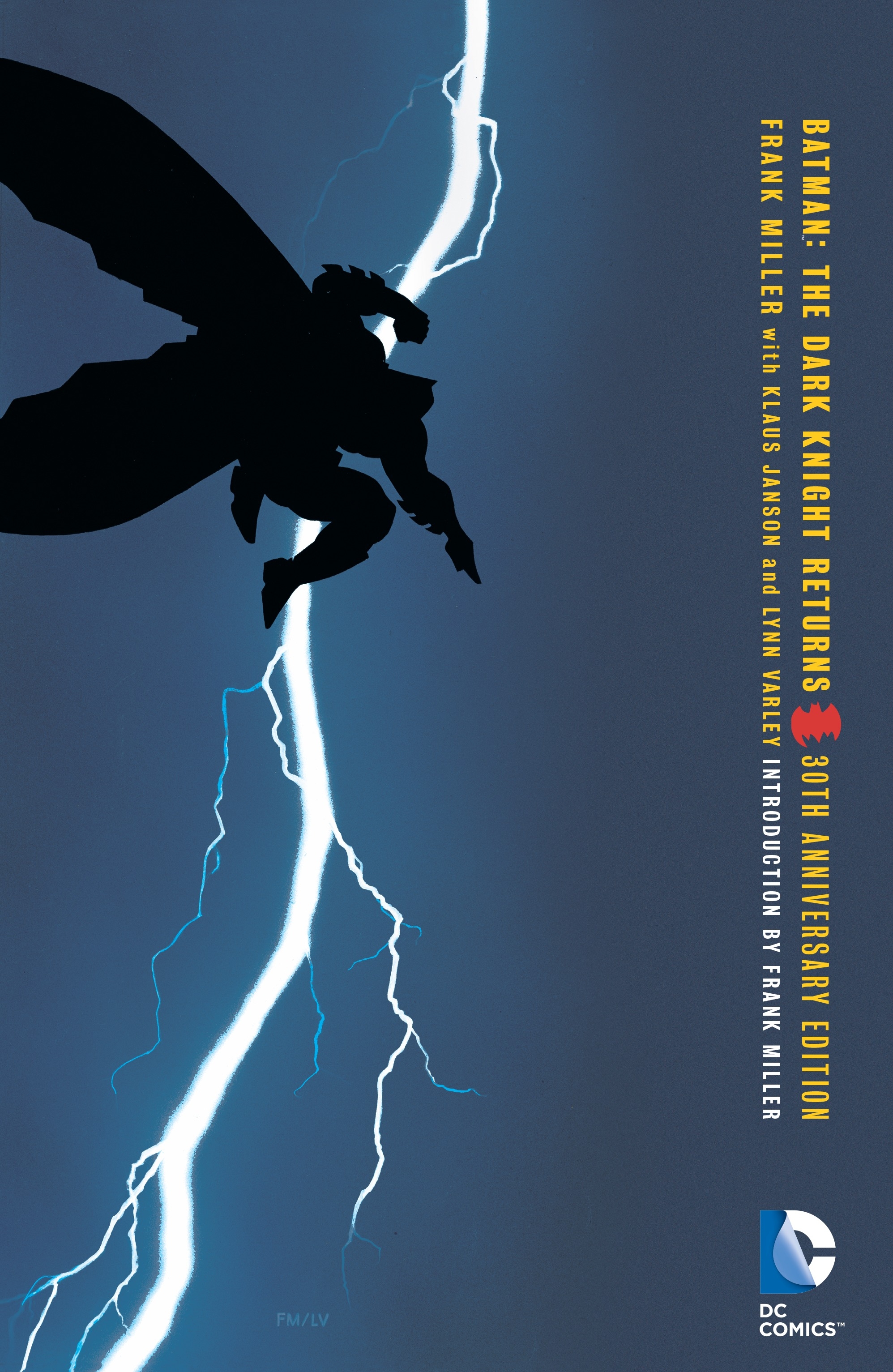
Few comic books have transformed an iconic superhero quite like Batman: The Dark Knight Returns. When legendary writer Frank Miller joined forces with acclaimed artist Klaus Janson in 1986, they didn't just create another Batman story—they fundamentally changed how readers, creators, and the entertainment industry viewed the Caped Crusader. The four-issue miniseries became a defining moment not only for Batman but for the comic book medium itself, inspiring generations of creators and influencing countless films, television series, video games, and animated adaptations that followed.
Set in a grim, dystopian future, The Dark Knight Returns imagines a world where an aging Bruce Wayne has long since retired from crime-fighting. Gotham City, once protected by Batman, has descended into violence, corruption, and escalating criminal activity. Unable to ignore the city's suffering any longer, Bruce decides to put on the cape and cowl once again, returning as a darker, older, and far more uncompromising version of the Dark Knight.
Batman’s dramatic comeback sends shockwaves throughout Gotham and beyond. While his return inspires hope among ordinary citizens, it also awakens old enemies who have been lying dormant for years. Most notably, the Joker emerges from years of silence, reigniting one of comics' greatest rivalries in a confrontation that pushes both characters to their emotional and moral extremes. At the same time, Batman's renewed war on crime draws the attention of the United States government, ultimately leading to one of the most iconic superhero battles ever published—a monumental showdown between Batman and Superman that remains one of DC Comics' defining moments.
For all practical purposes, The Dark Knight Returns is the graphic novel that established the modern image of Batman. Before its release, the character was still widely associated with the lighter, campier interpretations of previous decades, particularly the 1960s television series. Frank Miller's bold vision reintroduced Batman as a relentless, psychologically complex vigilante operating in a morally gray world. This darker interpretation forever reshaped the character and became the blueprint for many future portrayals, including Christopher Nolan's The Dark Knight Trilogy, Zack Snyder's older Batman in Batman v Superman: Dawn of Justice, and numerous animated adaptations.
That influence alone makes The Dark Knight Returns one of the most essential reads in DC Comics history and an ideal starting point for anyone looking to understand why Batman has remained one of the most compelling superheroes ever created. Alongside Miller's equally influential Batman: Year One, the miniseries showcased the same creative reinvention he had previously achieved with Daredevil, proving that Batman stories could be mature, emotionally layered, and socially relevant without losing their superhero appeal.
Readers preparing for the upcoming Batman: Knightfall Animated Trilogy will also notice how The Dark Knight Returns helped shape many of the themes explored in later Batman stories. Its focus on Bruce Wayne's physical limitations, unwavering determination, psychological resilience, and willingness to sacrifice everything for Gotham laid much of the groundwork that would eventually culminate in Knightfall. Even decades after its original publication, The Dark Knight Returns continues to stand as one of the greatest superhero graphic novels ever written and an indispensable chapter in the Dark Knight's enduring legacy.
Batman: A Death in the Family (1988) – The Tragic Story That Changed Batman Forever

Few Batman stories have left a lasting impact on readers quite like Batman: A Death in the Family. Published in 1988, this landmark storyline became one of the most controversial and influential moments in comic book history. In an unprecedented move, DC Comics allowed fans to determine the fate of Jason Todd, the second Robin, through a nationwide telephone poll. By a narrow majority of votes, readers decided that Jason would die, leading to one of the most heartbreaking chapters in Batman's long history.
The story reaches its emotional peak when the Joker brutally attacks Jason Todd with a crowbar before leaving him trapped inside a warehouse rigged with explosives. Unable to save his young partner in time, Batman suffers a devastating personal loss that shakes him to his very core. Consumed by grief, guilt, and overwhelming rage, Bruce Wayne embarks on a relentless pursuit of his greatest enemy, driven by a desire for vengeance unlike anything readers had seen before.
As Batman closes in on the Joker, his emotional turmoil pushes him dangerously close to crossing the one line he has always refused to cross. For perhaps the first time, he seriously considers ending the Joker's life once and for all. However, the hunt quickly escalates beyond the streets of Gotham and evolves into an international crisis when the Joker unexpectedly gains diplomatic immunity and becomes entangled in events involving the United Nations. With global tensions threatening to spiral out of control, Superman is forced to step in, hoping to prevent Batman's crusade from triggering an international incident.
Much like Batman: Knightfall became one of the defining Batman storylines of the 1990s, A Death in the Family played an equally pivotal role during the previous decade. Both stories pushed Bruce Wayne to his absolute limits, challenging not only his physical endurance but also his moral convictions, emotional resilience, and unwavering commitment to justice. Each storyline confronted Batman with impossible choices that tested the very principles he had built his life upon.
Beyond their emotional weight, both A Death in the Family and Knightfall perfectly capture the darker, grittier storytelling style that defined superhero comics during the late 1980s and early 1990s. Their shocking twists, high emotional stakes, and lasting consequences helped reshape Batman's mythology for decades to come. Even today, A Death in the Family continues to influence comic books, animated adaptations, live-action films, and video games, making it an essential read for anyone preparing to experience the upcoming Batman: Knightfall Animated Trilogy and understand the emotional scars Bruce Wayne carries into one of the greatest battles of his life.
Batman: Blind Justice (1989) – The Forgotten Story That Foreshadowed Knightfall Years Before Bane Arrived

While Bane is best remembered as the villain who broke Batman's body in Knightfall, he wasn't the first towering powerhouse to push the Dark Knight to his physical limits. Nearly three years before Bane's comic book debut, acclaimed writer Sam Hamm—best known for writing the screenplay for Tim Burton's Batman (1989)—teamed up with celebrated artist Denys Cowan to deliver Batman: Blind Justice, a gripping storyline that many fans now regard as a spiritual precursor to Knightfall.
Originally published in Detective Comics #598–600 (1989), Blind Justice throws Bruce Wayne into one of the most dangerous conspiracies of his crime-fighting career. The story begins after Batman uncovers a secret mind-control program with disturbing implications. Determined to shut the operation down before it can be weaponized, he soon finds himself framed for treason, transforming Gotham's greatest protector into one of the nation's most wanted fugitives. At the same time, Batman must investigate the mysterious and physically imposing Bonecrusher, a relentless adversary whose immense strength and intimidating presence make him one of the most formidable opponents the Dark Knight had encountered up to that point.
As Bruce races to clear his name, Blind Justice unfolds into a tense, high-tech conspiracy thriller filled with political intrigue, espionage, psychological manipulation, and shocking revelations. Every step of the investigation pushes Batman closer to becoming public enemy number one, forcing him to fight not only powerful enemies but also the institutions that should have been protecting justice.
The storyline is especially notable for the brutal physical toll it takes on Batman. His confrontation with Bonecrusher is both exhausting and punishing, showcasing the sheer determination that has always defined the Caped Crusader. By the story's dramatic conclusion, Bruce Wayne is so severely injured that he is left confined to a wheelchair, a rare sight in Batman comics at the time and a powerful reminder that even Gotham's greatest hero has physical limits.
Looking back, it's easy to see why many readers consider Blind Justice an unofficial blueprint for Batman: Knightfall. Both stories explore Batman's vulnerability, force him into battles of endurance against physically overwhelming foes, and examine what happens when Bruce Wayne is pushed far beyond his breaking point. Although Knightfall would later expand these ideas into a massive, line-wide crossover event spanning dozens of issues, Blind Justice accomplishes remarkably similar themes within just three tightly written chapters.
That impressive economy of storytelling is one of the reasons Blind Justice remains such an underrated gem in Batman's publishing history. Despite its relatively short length, the arc successfully combines superhero action, detective fiction, political suspense, and emotional character development into a compelling narrative that still holds up decades after its release.
For readers preparing for the upcoming Batman: Knightfall Animated Trilogy, Blind Justice offers a fascinating glimpse into the storytelling ideas that would eventually evolve into one of Batman's most celebrated sagas. It may not enjoy the same level of recognition as Knightfall, but its influence is unmistakable, making it one of the Dark Knight's most overlooked yet essential adventures.
Batman: Ten Nights of the Beast (1988) – The Cold War Thriller That Pushed Batman's No-Kill Rule to the Edge

The late 1980s was a defining era for superhero comics, with many stories reflecting the political anxieties and global tensions of the Cold War. As comic books began weaving real-world geopolitics into their narratives, Batman received one of his most gripping espionage adventures in Batman: Ten Nights of the Beast. Blending high-stakes action, political intrigue, and psychological conflict, this celebrated storyline proved that the Dark Knight could thrive not only as Gotham's greatest detective but also as the central figure in a suspenseful international thriller.
Written by acclaimed Batman writer Jim Starlin and illustrated by legendary artist Jim Aparo, Ten Nights of the Beast introduces readers to one of Batman's most dangerous and underrated adversaries—KGBeast. A ruthless Soviet assassin trained by the KGB, KGBeast is dispatched to Gotham City with a deadly mission: assassinate U.S. President Ronald Reagan during his official visit to the city. With the fate of a world leader hanging in the balance, Batman becomes the only person capable of stopping a catastrophe that could trigger devastating international consequences.
As the hunt unfolds across Gotham's streets, rooftops, and hidden corners, Batman finds himself locked in a relentless game of survival against an enemy unlike the colorful supervillains he typically faces. KGBeast is a disciplined killing machine, relying on military precision, tactical intelligence, and overwhelming physical strength rather than theatrical gimmicks. Every encounter between the two escalates the tension, transforming the storyline into a fast-paced chase that combines espionage, detective work, and brutal hand-to-hand combat.
Perhaps the most remarkable aspect of Ten Nights of the Beast is that it introduced Batman to an opponent who was every bit as physically intimidating as Bane, doing so four years before Bane made his comic book debut in Knightfall. KGBeast's relentless aggression, incredible endurance, and willingness to kill without hesitation forced Bruce Wayne into one of the toughest physical confrontations of his career, foreshadowing the kind of challenges Batman would later face against the man who famously broke his back.
Beyond the explosive action, the storyline also explores one of Batman's defining moral principles—his unwavering no-kill rule. KGBeast proves so dangerous and seemingly unstoppable that Bruce Wayne is pushed closer to abandoning that code than almost ever before. The difficult choices Batman faces throughout the story add a compelling layer of moral complexity, reminding readers that his greatest battles are often fought within his own conscience as much as against his enemies.
Although KGBeast has appeared in numerous Batman comics, animated series, video games, and even live-action adaptations over the years, Ten Nights of the Beast remains his definitive introduction and one of the finest action-driven Batman stories of the 1980s. Its blend of Cold War espionage, political suspense, relentless action, and ethical dilemmas continues to make it a standout chapter in the Dark Knight's publishing history.
For readers preparing for the Batman: Knightfall Animated Trilogy, Ten Nights of the Beast offers another fascinating look at Batman before his legendary confrontation with Bane. It showcases Bruce Wayne battling an adversary capable of matching him physically while simultaneously testing the very principles that define him as Gotham's protector, making it an essential read for anyone exploring the evolution of the Caped Crusader.
Batman: One Bad Day – Bane (2022) – The Graphic Novel That Redefined Bane as More Than Just Batman's Greatest Enemy

For decades, Bane has been remembered primarily as the man who achieved what few villains ever could—breaking Batman both physically and emotionally during the legendary Knightfall saga. However, Batman – One Bad Day: Bane proves there's far more to the iconic villain than brute strength and the infamous Venom serum. Released in 2022 as part of DC Comics' acclaimed One Bad Day series, the standalone graphic novel delivers one of the most compelling and emotionally layered portrayals of Bane in modern comic book storytelling.
Inspired by the narrative style and psychological depth of the classic Batman: The Killing Joke, the One Bad Day initiative invited some of comics' most celebrated creators to craft self-contained stories centered around Batman's greatest adversaries. While the series explored villains such as the Riddler, Penguin, Two-Face, Mr. Freeze, Clayface, Ra's al Ghul, and Catwoman, many readers and critics regarded One Bad Day: Bane as the standout entry, thanks to its powerful character study and surprisingly emotional narrative.
Written by Joshua Williamson and brought to life through the dynamic artwork of Howard Porter, the story begins after Bane believes that Batman is dead. With the Dark Knight seemingly gone, the legendary luchador and former ruler of Santa Prisca attempts to leave his violent past behind and find a new purpose in life. His fragile peace is shattered when he discovers a dangerous conspiracy involving the recreation, experimentation, and mass production of the Venom serum—the same performance-enhancing drug that transformed him into one of Batman's most fearsome enemies.
Recognizing the catastrophic consequences such a weapon could have if it fell into the wrong hands, Bane takes it upon himself to eliminate the threat before history repeats itself. Rather than seeking power or revenge, he embarks on a mission driven by responsibility, confronting those who wish to exploit Venom while battling the painful legacy of the substance that has defined much of his life.
Like several of Bane's previous solo stories, Batman – One Bad Day: Bane moves beyond portraying him as a conventional supervillain. Instead, it presents him as a deeply conflicted and tragic antihero—a man burdened by his past, haunted by his choices, and searching for redemption in a world that still sees him as a monster. Throughout the story, readers witness the profound impact Batman had on Bane's life, the quiet admiration and respect he developed for his greatest adversary, and the personal code of honor that continues to guide many of his actions despite his violent reputation.
This nuanced portrayal adds remarkable emotional depth to a character who is often remembered solely for breaking Batman's back. Instead of relying only on explosive action, the graphic novel explores themes of identity, addiction, legacy, redemption, and personal responsibility, offering one of the richest examinations of Bane's character in years.
Complementing Williamson's thoughtful writing is the spectacular artwork of Howard Porter, whose expressive character work, cinematic action sequences, and dramatic page layouts elevate every scene. His illustrations capture both the immense physical power of Bane and the quieter emotional moments that define the story, making One Bad Day: Bane one of the most visually striking graphic novels DC Comics has released in recent years.
For readers preparing for the upcoming Batman: Knightfall Animated Trilogy, Batman – One Bad Day: Bane serves as an outstanding companion piece. While Knightfall showcases Bane at the height of his ruthless ambition, this modern graphic novel explores the man behind the mask, revealing the complexity, intelligence, and humanity that have helped transform him into one of Batman's greatest and most enduring adversaries.
Batman: Venom (1991) – The Story That Let Bruce Wayne Experience the Power and Price of Bane's Greatest Weapon

Long before Bane made his unforgettable debut in Batman: Knightfall, Batman: Venom introduced readers to the dangerous substance that would eventually become the villain's defining source of power. Widely regarded as one of the finest story arcs from the acclaimed Legends of the Dark Knight series, Venom is a gripping psychological drama that explores Batman's greatest weakness—not a supervillain, but his own relentless drive to save every innocent life.
Written by legendary Batman writer Dennis O'Neil, with artwork by Trevor Von Eeden and Russell Braun, Batman: Venom stands as one of the most influential Batman stories of the early 1990s. Rather than focusing on Gotham's colorful rogues, the storyline turns inward, examining Bruce Wayne's obsession with perfection and the devastating consequences of believing that sheer strength alone can solve every problem.
The story begins after Batman suffers a heartbreaking failure while attempting to rescue a kidnapped child. Unable to save the victim because he lacks the physical strength to lift an enormous obstacle in time, Bruce Wayne is consumed by guilt and self-doubt. Determined to ensure that such a tragedy never happens again, he makes a desperate decision—to begin using the experimental performance-enhancing drug known simply as Venom in the hope that it will give him the strength needed to save more lives.
At first, the serum appears to be everything Batman hoped for. It dramatically increases his physical power, allowing him to perform incredible feats that were previously impossible, reinforcing his belief that he has finally overcome one of his greatest limitations. However, that newfound strength comes at a devastating cost. As Bruce becomes increasingly dependent on the drug, the line between determination and addiction begins to blur, and Venom slowly takes control of both his body and his mind.
Before long, Batman finds himself trapped in a vicious cycle of physical dependence, emotional instability, and psychological deterioration. Realizing that the substance is transforming him into someone he no longer recognizes, Bruce is forced into the greatest battle of his life—not against a criminal mastermind or costumed villain, but against his own addiction. Breaking free requires every ounce of discipline, resilience, and willpower that has always defined the Dark Knight.
Viewed today, Batman: Venom serves as an unofficial origin story for understanding Bane's greatest weapon. Although the storyline was published before readers had even been introduced to the infamous villain from Santa Prisca, it effectively explores the same addictive serum that would later fuel Bane's incredible strength during Knightfall. In many ways, the story allows readers to experience the seductive power and destructive consequences of Venom through Batman's own perspective, offering valuable insight into the psychological and physical effects of the drug long before Bane made it famous.
This makes Venom an essential companion to Knightfall. Rather than simply establishing the serum as a source of superhuman power, it demonstrates how dangerous and corrupting it truly is, foreshadowing the pivotal role it would play in one of Batman's greatest battles. Readers come to understand that Venom is far more than a performance enhancer—it is an addiction capable of destroying even the strongest minds.
Beyond its connection to Bane, Batman: Venom is celebrated for its thoughtful character study of Bruce Wayne. The story masterfully deconstructs the Dark Knight by exposing his vulnerabilities, his overwhelming guilt, and his unwavering fixation on fighting crime at any cost. It reminds readers that Batman's greatest strength has never been his muscles or his gadgets, but his determination to overcome adversity without compromising the values that define him.
For anyone preparing for the upcoming Batman: Knightfall Animated Trilogy, Batman: Venom is indispensable reading. It not only lays the foundation for understanding the terrifying power of the Venom serum but also provides a deeper appreciation of the internal struggles Bruce Wayne faces long before his legendary confrontation with Bane. Few Batman stories explore the hero's humanity with such honesty, making Venom one of the most compelling and emotionally resonant chapters in the Dark Knight's history.
Batman: Sword of Azrael (1992) – The Essential Prelude That Introduced Knightfall's Most Controversial Hero
Before Batman: Knightfall became one of the most influential crossover events in comic book history, DC Comics laid the foundation for the saga with Batman: Sword of Azrael. Published in 1992, this four-issue miniseries introduced readers to Jean-Paul Valley, a character whose journey would become one of the defining storylines of the entire Knightfall saga. What initially appeared to be the origin story of a mysterious new vigilante soon evolved into one of Batman's most psychologically rich and morally complex tales.
Created by legendary Batman writer Dennis O'Neil, alongside superstar artist Joe Quesada and acclaimed inker Kevin Nowlan, Sword of Azrael serves as far more than a simple character introduction. It establishes the emotional, psychological, and ideological conflicts that would eventually reshape Gotham City and alter the future of the Bat-Family during Knightfall.
The story follows Jean-Paul Valley, an intelligent college student whose life is turned upside down when he discovers the shocking truth about his family's hidden legacy. Unknown to him, Jean-Paul is the son of the previous assassin of the ancient Order of St. Dumas, a secretive religious organization that has spent centuries creating and training elite killers to carry out its will. Since childhood, Jean-Paul has unknowingly been subjected to intense psychological programming known as "The System," a form of mental conditioning designed to transform him into the Order's next deadly assassin whenever it is activated.
When the conditioning is finally triggered, Jean-Paul is thrust into a violent conflict that forces him to confront the identity he never chose. As Azrael, he possesses extraordinary combat skills, heightened reflexes, and an overwhelming instinct to eliminate his enemies without mercy. His brutal methods quickly bring him into direct conflict with Batman, who recognizes both the danger Jean-Paul represents and the potential for redemption hidden beneath his conditioning.
Rather than viewing him solely as an enemy, Bruce Wayne offers Jean-Paul guidance and a chance at a different life. Over time, Jean-Paul becomes part of the Bat-Family, where he begins an ongoing struggle against the influence of The System while attempting to forge his own identity outside the violent destiny imposed upon him by the Order of St. Dumas. This internal battle between free will and psychological programming becomes one of the defining aspects of his character and ultimately plays a central role throughout the Knightfall storyline.
Widely regarded as one of the finest Batman miniseries of the 1990s, Sword of Azrael successfully introduces what many fans consider one of the most underrated and psychologically complex members of the Bat-Family. Jean-Paul Valley is neither a traditional hero nor a straightforward antihero. Instead, he is portrayed as a deeply conflicted individual whose extraordinary abilities are constantly at war with the dangerous conditioning embedded within his mind. That moral ambiguity makes him one of the most fascinating characters in Batman's mythology.
Dennis O'Neil masterfully balances Jean-Paul's darker instincts with his desire for redemption, creating a character that readers can both fear and sympathize with. The miniseries explores themes of identity, faith, trauma, free will, and redemption while laying crucial groundwork for the events that follow in Knightfall. Without Sword of Azrael, the emotional impact of the larger saga would be significantly diminished.
For anyone preparing to watch the upcoming Batman: Knightfall Animated Trilogy, Batman: Sword of Azrael is essential reading. It introduces one of the saga's most pivotal characters, explains the origins of Azrael and his connection to Batman, and provides the critical context needed to understand the dramatic events that unfold after Bruce Wayne's confrontation with Bane. More than three decades after its release, the miniseries remains one of the most important prequels to Knightfall and a standout chapter in Batman's expansive comic book legacy.
Batman: Vengeance of Bane (1993) – The Definitive Origin Story That Laid the Foundation for Knightfall

Before Bane forever changed Batman's life in the pages of Knightfall, DC Comics introduced readers to the man behind the mask in one of the most important Batman one-shots ever published. Released in 1993, Batman: Vengeance of Bane serves as the definitive origin story of the villain who would go on to accomplish what countless members of Batman's rogues' gallery never could—breaking the Dark Knight both physically and psychologically.
Written by acclaimed Batman writer Chuck Dixon and illustrated by legendary artist Graham Nolan, Batman: Vengeance of Bane marked one of the creative duo's most significant contributions to Batman mythology. More than simply introducing a new supervillain, the graphic novel established Bane as one of the most intelligent, disciplined, and psychologically compelling adversaries the Caped Crusader had ever faced. More than three decades later, the story continues to be regarded as one of the greatest villain origin stories in comic book history.
The one-shot takes readers deep into the brutal past of Bane, revealing that he was born and raised inside the infamous Peña Duro prison on the Caribbean island nation of Santa Prisca. Rather than serving a sentence for crimes he committed, Bane is forced to endure life as a political prisoner, paying for the actions of his late mother, who had taken part in an uprising against the corrupt government. From the moment he is born, imprisonment, violence, and survival become the only life he has ever known.
Growing up in one of the world's harshest prisons forces Bane to mature far beyond his years. Surrounded by ruthless criminals and constant danger, he dedicates himself to relentless physical training, rigorous self-discipline, and intellectual growth. He studies books whenever possible, sharpens his strategic mind, and transforms both his body and intellect into formidable weapons. This combination of extraordinary strength and exceptional intelligence would later make him one of Batman's most dangerous enemies.
During his imprisonment, Bane becomes the subject of dangerous experiments involving the experimental Venom serum. Although the powerful substance grants him immense physical strength, it also carries tremendous risks and becomes an integral part of his identity. Unlike many villains who rely solely on brute force, Bane continues to push himself to achieve peak physical condition through discipline and training, ensuring that his greatest asset is not merely the Venom coursing through his veins but the relentless determination that defines his character.
One of the greatest strengths of Batman: Vengeance of Bane is the depth it gives its central antagonist. Rather than portraying Bane as a simple powerhouse, the graphic novel carefully explores his psychology, motivations, ambitions, and worldview. Readers gain a rare understanding of the experiences that shaped him, making him a surprisingly sympathetic yet undeniably terrifying figure. His calculated patience, unwavering discipline, and strategic brilliance set him apart from nearly every other member of Batman's rogues' gallery.
Most importantly, the story establishes why Bane becomes such a uniquely dangerous opponent for Batman. Instead of rushing into battle, he studies the Dark Knight obsessively, analyzing Bruce Wayne's methods, habits, strengths, and weaknesses with the precision of a master tactician. Long before they ever meet face-to-face, Bane understands Batman on a psychological level that few villains ever achieve. He recognizes that defeating Batman is not simply about winning a fight—it requires breaking the man beneath the cape and cowl.
That psychological insight ultimately becomes the driving force behind the events of Knightfall, where Bane systematically executes a plan to exhaust Bruce Wayne mentally, emotionally, and physically before delivering the iconic blow that forever changed Batman's history.
For readers preparing to experience the upcoming Batman: Knightfall Animated Trilogy, there is arguably no more essential companion story than Batman: Vengeance of Bane. More than just Bane's first appearance, it is the blueprint for understanding his philosophy, his motivations, and the brilliance behind his campaign against Gotham's greatest protector. If Knightfall tells the story of Batman's fall, Vengeance of Bane explains exactly why Bane was the one man capable of making it happen, proving from his very first appearance that he understood Bruce Wayne better than almost any villain who came before him.
Batman: Knightfall (1993–1994) – The Essential Comic That Defines the Upcoming Animated Trilogy

No Batman reading list is complete without Batman: Knightfall. Widely regarded as one of the greatest and most influential Batman stories ever published, this landmark crossover event remains the definitive tale for anyone preparing to watch the upcoming Batman: Knightfall Animated Trilogy. More than just another superhero epic, Knightfall fundamentally reshaped Batman's mythology, introduced lasting changes to the Bat-Family, and permanently elevated Bane into the ranks of DC Comics' greatest villains.
Published between 1993 and 1994, Knightfall was crafted by an outstanding team of creators, including Chuck Dixon, Doug Moench, Alan Grant, Jim Aparo, Graham Nolan, Norm Breyfogle, and several other legendary comic book talents. Spanning multiple Batman titles, the crossover became one of the defining comic book events of the 1990s and remains one of the most celebrated sagas in the Dark Knight's publishing history.
The story begins after Bane escapes from the notorious Peña Duro prison on the island nation of Santa Prisca. Unlike many of Batman's previous enemies, Bane doesn't rush into battle seeking a quick victory. Instead, he patiently studies the Dark Knight, using his extraordinary intelligence and tactical brilliance to uncover Bruce Wayne's secret identity. Convinced that Batman can only be defeated after being completely exhausted, Bane orchestrates a meticulous plan that strikes at the very heart of Gotham City.
His strategy begins with one of the most devastating attacks Gotham has ever witnessed. Bane engineers a massive breakout at Arkham Asylum, unleashing Batman's most dangerous enemies—including the Joker, Scarecrow, Poison Ivy, Two-Face, Mad Hatter, Victor Zsasz, Firefly, and many others—onto the streets all at once. Forced to confront wave after wave of escaped criminals without rest, Bruce Wayne relentlessly pushes himself beyond his physical and mental limits in a desperate effort to restore order to Gotham.
By the time Batman finally returns to Wayne Manor, he is physically exhausted, emotionally drained, and operating on sheer determination. It is precisely the moment Bane has been waiting for.
The confrontation that follows produces one of the most iconic moments in comic book history—"The Breaking of the Bat." In a brutal showdown inside Wayne Manor and the Batcave, Bane overpowers the weakened Dark Knight before lifting him overhead and violently breaking his spine across his knee. The unforgettable image instantly became one of Batman's defining moments, symbolizing not only Bruce Wayne's physical defeat but also the collapse of everything he had fought to protect.
However, Knightfall is far more than the story of Batman's defeat. The saga continues as Bruce Wayne, unable to continue as Gotham's protector, chooses Jean-Paul Valley (Azrael) as his successor. Initially determined to honor Batman's legacy, Jean-Paul gradually succumbs to the psychological conditioning of The System, becoming increasingly violent, unstable, and obsessed with defeating criminals through fear and overwhelming force. He replaces Batman's traditional costume with a heavily armored, mechanized Batsuit equipped with lethal weaponry, distancing himself from Bruce Wayne's ideals and transforming into a far more ruthless version of the Dark Knight.
As Jean-Paul's methods spiral out of control, Bruce Wayne embarks on a long and difficult journey of physical rehabilitation and personal recovery. With the help of his allies, including Robin, Bruce eventually returns to Gotham to confront Azrael and reclaim the mantle of Batman. Their final confrontation becomes as much a battle of ideals as it is a physical fight, reinforcing the belief that Batman's greatest strength has never been his costume or gadgets but his unwavering compassion, discipline, and refusal to abandon his moral code.
If Bane hadn't already established himself as an extraordinary antagonist in Batman: Vengeance of Bane, Knightfall erased any remaining doubts. The saga firmly cemented him as one of the greatest comic book villains of all time—not because of his immense strength alone, but because of his patience, intelligence, strategic brilliance, and profound understanding of Bruce Wayne's psychology. He accomplished what countless villains before him had failed to do by defeating Batman not through luck, but through meticulous planning and flawless execution.
Beyond introducing one of Batman's greatest enemies, Knightfall also marked the end of one era and the beginning of another for DC Comics. Its consequences reshaped Batman's supporting cast, redefined the role of Azrael, influenced countless future comic book storylines, and inspired numerous animated films, video games, novels, and live-action adaptations, including elements seen in Christopher Nolan's The Dark Knight Rises.
With the Batman: Knightfall Animated Trilogy bringing this legendary saga to the screen, there has never been a better time to revisit the comic that started it all. Whether you're a lifelong Batman fan or discovering the story for the first time, Batman: Knightfall remains mandatory reading. It is the definitive Batman epic, a cornerstone of 1990s comics, and one of the most influential superhero stories ever created—making it the perfect companion to the upcoming animated adaptation and an unforgettable chapter in the legacy of the Caped Crusader.
Batman's legacy has never been defined by his victories alone—it's the moments that test his resolve, break his spirit, and force him to rise stronger that have made him one of the greatest superheroes ever created. From the psychological horror of Batman: The Cult and the revolutionary storytelling of The Dark Knight Returns to the heartbreaking events of A Death in the Family, the introduction of Jean-Paul Valley, and the unforgettable arrival of Bane, every one of these stories helped pave the way for the legendary Knightfall saga.
As the Batman: Knightfall Animated Trilogy prepares to bring one of DC Comics' most celebrated storylines to the screen, revisiting these iconic graphic novels is the perfect way to appreciate the characters, relationships, and emotional stakes that made Knightfall a timeless masterpiece. Whether you're a lifelong Batman enthusiast or discovering these classics for the very first time, each story offers a deeper understanding of Bruce Wayne's greatest strengths, his deepest vulnerabilities, and the villains who came closest to defeating the Dark Knight.
If you're planning to experience the upcoming animated trilogy, don't stop with the movies. Dive into the original comics, explore Gotham City's rich history, and witness firsthand why these stories continue to influence films, television, animation, and video games more than three decades after they were first published.
Build Your Ultimate Batman Collection
Whether you're celebrating the upcoming Batman: Knightfall Animated Trilogy or expanding your superhero collection, there's never been a better time to bring your favorite characters home.
Explore an incredible collection of officially licensed
- Marvel
- DC Comics
- Star Wars
- Disney
- Pixar
- Transformers
- Dragon Ball
- One Piece
- Naruto
- Bleach
- Demon Slayer
- Jujutsu Kaisen
- Chainsaw Man
- Harry Potter
- Mortal Kombat
- Godzilla
- Teenage Mutant Ninja Turtles
and many more premium collectibles, including action figures, statues, replicas, model kits, die-cast vehicles, LEGO sets, and exclusive merchandise.
Discover premium collectibles from the world's biggest entertainment franchises—available now at up to 40% OFF with FREE shipping across India, only at Superhero Toystore.
Start building the ultimate collection today and celebrate the heroes, villains, and stories that continue to inspire generations of fans.
Subscribe
Sign up to get the latest on sales, new releases and more …