


Super Mario Origins, Timeline & Abilities Explained
Mario isn’t just a character—you don’t “meet” him, you grow up with him. He’s stitched into the DNA of gaming itself.
At his core, Mario (マリオ)—once briefly labeled Mr. Video Game, introduced to the world as Jumpman, and occasionally joked about as Mario Mario—stands as the beating heart of one of the most enduring entertainment empires ever created: Nintendo’s Super Mario franchise. He’s not just the face of Nintendo—he is Nintendo for generations of players.
His story begins not in a grand fantasy kingdom, but in the pixelated chaos of the 1981 arcade classic Donkey Kong. There, alongside the towering Donkey Kong (now referred to as Donkey Kong Sr.) and the determined Pauline, Mario made his first leap into history—literally. Back then, he wasn’t even a plumber yet. Just a carpenter with a mission, climbing ladders, dodging barrels, and unknowingly laying the foundation for a legacy that would outlive arcades themselves.
Over time, that identity evolved into something far more iconic: a mustached Italian plumber with a red cap, blue overalls, and an unshakable sense of purpose. Mario found his true home in the whimsical Mushroom Kingdom, though his roots trace back to Brooklyn, New York City, where he and his younger—yet taller—fraternal twin brother, Luigi, once worked as everyday plumbers. That duality—ordinary beginnings, extraordinary destiny—is part of what makes him so timeless.
And then there’s the mission. Always the mission.
Mario is, at heart, a rescuer. Again and again, he throws himself into danger to save Princess Peach, his beloved, along with countless others who fall prey to chaos. And chaos, more often than not, has a name: Bowser—the relentless King of the Koopas, a tyrant fueled by obsession and ambition, and Mario’s eternal rival. Their conflict isn’t just hero vs villain—it’s ritual, legacy, a cycle that defines the rhythm of the Mushroom Kingdom itself.
But Mario isn’t confined to heroics alone. Strip away the urgency, and you’ll find him laughing it up at parties, tearing through racetracks, competing in tennis matches, or even stepping into the lab as Dr. Mario, proving that his identity isn’t locked into one role—it’s fluid, adaptable, endlessly versatile. That’s by design. Nintendo intentionally shaped Mario as a straightforward, universally readable character—someone who can slip into any genre, any world, and still feel right at home.
And then there’s his past—quite literally.
Baby Mario, first introduced in Super Mario World 2: Yoshi’s Island, gave players a glimpse into his infancy, adding a surprising layer of vulnerability to a character known for his resilience. What started as a narrative device quickly became its own identity, with Baby Mario growing into a recurring presence across spin-offs.
Behind the scenes, Mario’s creation is just as fascinating. He was brought to life by Shigeru Miyamoto, originally conceived as a substitute for Popeye after Nintendo failed to secure the rights to the famous sailor. What could have been a temporary stand-in became a cultural icon—arguably the most successful creative pivot in gaming history.
And then there’s the voice—the cheerful, energetic “It’s-a me, Mario!” that instantly lights up a room. That magic came from Charles Martinet, who voiced Mario from 1994 to 2023, defining his personality for nearly three decades. When Martinet stepped down, Kevin Afghani took over the mantle, continuing the legacy while carrying the weight of one of gaming’s most recognizable voices.
From his debut to today, Mario has appeared in nearly every Super Mario title and far beyond—spanning television shows, comic books, and even feature films (including the massive global success of The Super Mario Bros. Movie in 2023, which reintroduced him to a whole new generation). As Nintendo’s mascot—a company worth billions—Mario has transcended the boundaries of gaming to become a global cultural symbol.
With appearances in over 250+ games, Mario isn’t just one of the most recognizable video game characters ever created—he’s a constant. A familiar face in an ever-changing industry. A hero who never really changes… and somehow never needs to.
Because Mario isn’t defined by complexity.
He’s defined by something far simpler—and far more powerful:
He shows up. He jumps. He saves the day.
Mario — The Man Behind the Mustache
Physical Presence: Small Frame, Massive Legacy
Mario isn’t built like your typical hero—and that’s exactly the point. He stands somewhere around his mid-twenties (roughly 24–25 years old), though there have been moments—like in Donkey Kong and Mario & Luigi: Superstar Saga—where he’s been portrayed with a slightly more middle-aged energy. At his core, he’s human—an Italian man—but Nintendo once cheekily classified him in a 1993 character guide as “Homo nintendonus,” as if even science had to invent a category just to explain him.
His birthday? That’s a story in itself. Some official material, like an Insiders’ Calendar from Nintendo Power, marks it as October 11, while later sources muddy the waters by suggesting January 1. Like many things about Mario, even time bends a little around him.
Physically, Mario is unmistakable. Short. Stocky. Slightly portly. Built more like a neighborhood handyman than a world-saving legend. He’s got bright blue eyes that contrast against his thick, dark-brown mustache—the iconic one with six distinct bumps. His hair is short and brown, styled with two sideburns, three prominent upward bangs, and a quirky sprout-like cowlick that almost feels like a visual signature.
His outfit? Timeless. A red shirt layered under blue overalls fastened with yellow buttons. A red cap marked with a bold “M.” White gloves. Brown shoes. It’s simple, functional—and instantly recognizable across the globe.
But Mario didn’t always look like this Mario.
Back in the arcade days of Donkey Kong, he sported a blue mustache, blue boots, and a simpler shirt-and-overalls combo. In Mario Bros., his colors shifted again—brown hair and mustache, red shirt, blue cap. Even in Super Mario Bros., technical limitations gave him beige-toned eyes and slightly altered color palettes. And in Super Mario Bros. 3, he briefly flipped the script with black overalls and fully red attire. Mario’s design wasn’t born iconic—it became iconic through evolution.
Personality: Simple by Design, Complex by Nature
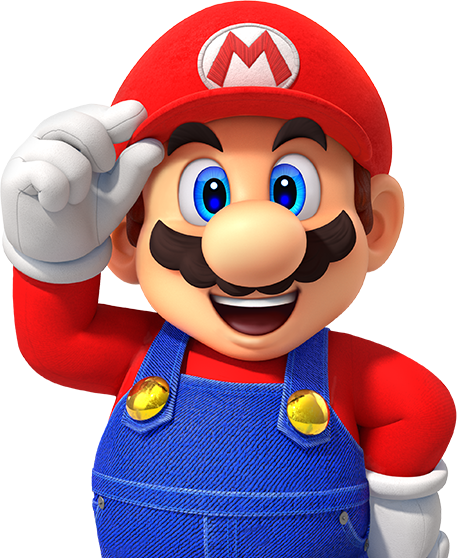
“It’s-a me, Mario!”
That line isn’t just a catchphrase—it’s a declaration of spirit.
Mario is, at face value, simple: kind, cheerful, playful, courageous, a bit of a daredevil, and occasionally headstrong. He jumps first, thinks later. Sometimes he’s even a little cocky—but never in a way that feels arrogant. More like someone who knows he’ll find a way to win.
And that simplicity? It’s intentional. Nintendo deliberately keeps Mario’s personality broad and adaptable, allowing him to fit seamlessly into anything—from saving kingdoms to playing tennis or racing go-karts. It’s why, despite being one of the most famous characters in history, he’s also one of the least deeply “defined.” He’s a canvas. A constant.
But spend enough time with him, and layers start to show.
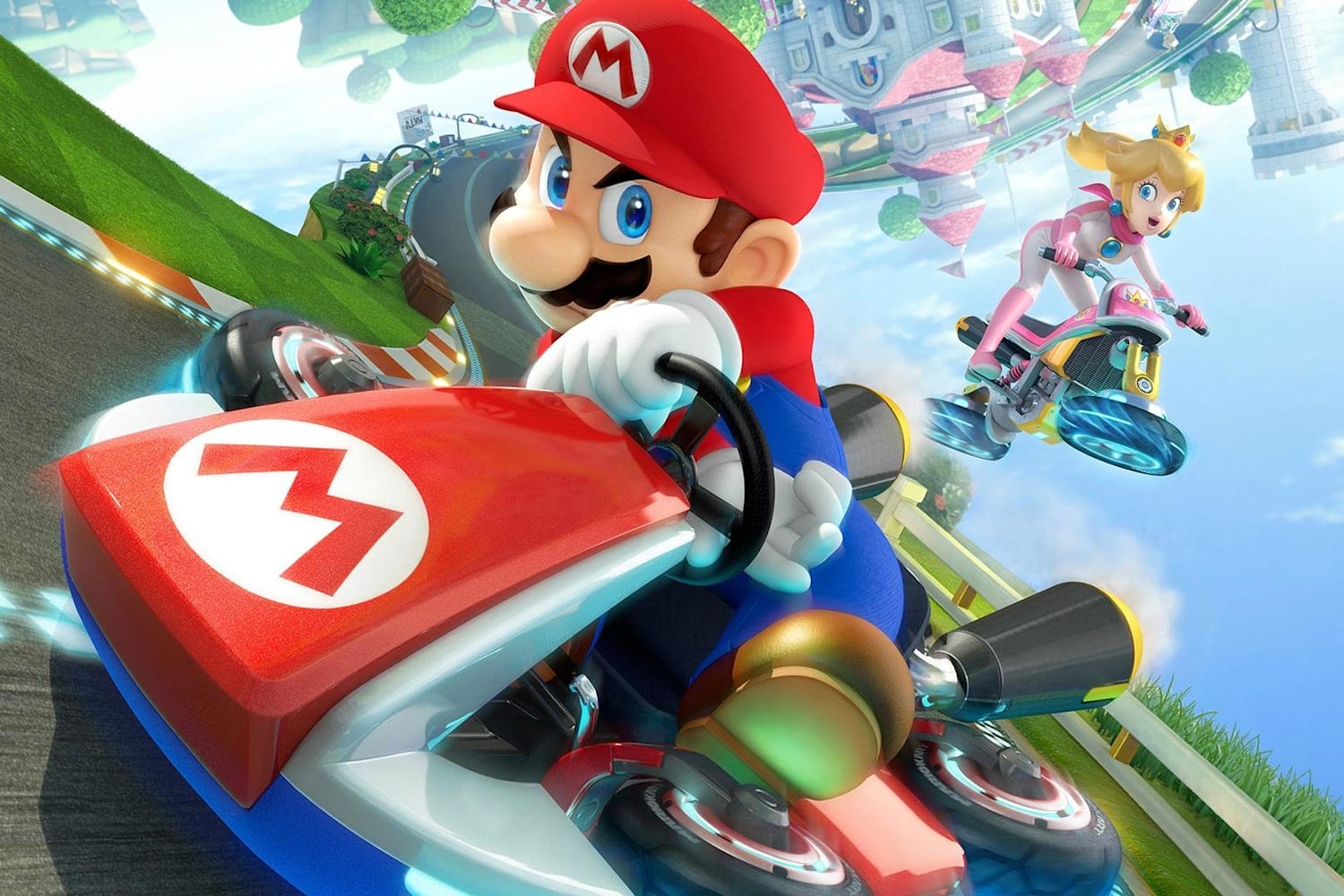
Mario is a good sport—he’ll congratulate opponents, smile through losses (Super Smash Bros. Ultimate makes this especially clear), and carry himself with fairness. But he’s also human. Lose a race in Mario Kart 64, and he might wipe away a tear. Mess up badly in Mario Golf: Toadstool Tour, and you’ll see a flash of frustration. That emotional honesty—small, fleeting—makes him feel real.
He loves animals. Especially the weird ones.
He loves music—opera, Europop, even full-blown rock energy (as seen in Mario Strikers Charged).
And surprisingly? He’s musically gifted—capable of playing piano, guitar, synthesizer, timpani, xylophone, saxophone, and trumpet.
Then there’s his relationship with Luigi.
Mario, as the older twin, often leans into that “big brother” energy—sometimes supportive, sometimes overbearing. Luigi, quieter and more introspective, often contrasts Mario’s impulsive and bold nature. Mario charges into danger without hesitation. Alone, if he has to. In Super Mario RPG, he even had to be physically restrained from jumping into fights before understanding the situation. That’s Mario—action before analysis.
And yes—he has a mischievous edge.
Across certain spin-offs and manga like Super Mario-kun, Mario can act childish, exaggerated, even a bit chaotic. There are rare, bizarre portrayals—like in a Japan-exclusive Satellaview magazine—where his personality is pushed into darker, more adult humor territory: smoking, acting aggressively, even behaving wildly out of character. These versions aren’t the Mario most people know—but they exist, like strange alternate reflections.
A Hero Who Feels… Hungry
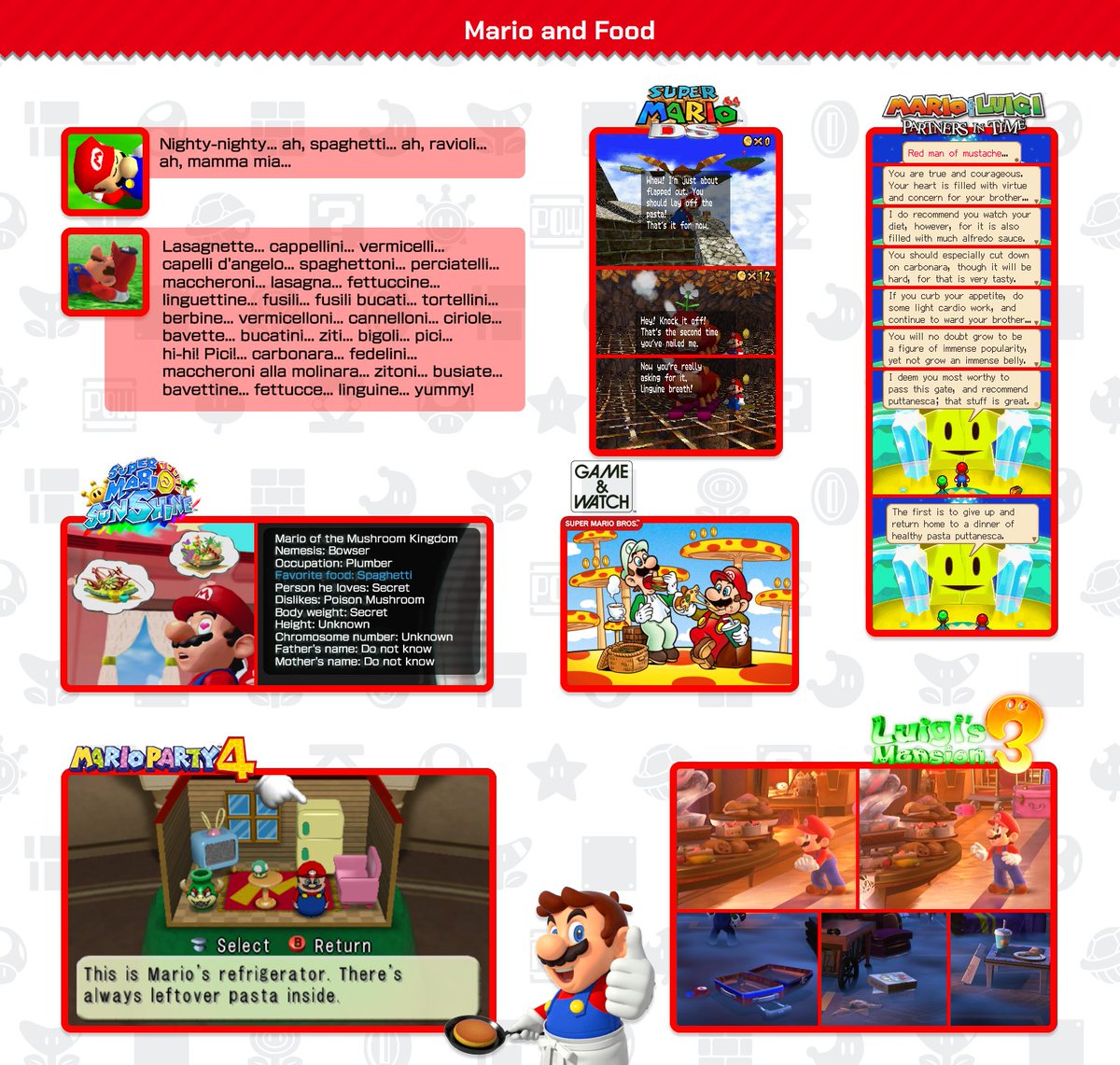
If there’s one thing Mario loves almost as much as saving the day—it’s food.
And not just any food. Italian food. Pasta. Pizza. Endless carbs and comfort.
This trait really comes alive in the DiC cartoon trilogy, where Mario is almost constantly hungry. There’s even a moment in The Super Mario Bros. Super Show! where, when asked if he thinks about anything besides food, he genuinely responds:
“What else is there?”
It’s funny—but also kind of revealing.
Mario’s adventures often start with food. In Super Mario 64, he visits Peach’s castle because she baked him a cake. That simple setup became a recurring trope—invites, feasts, celebrations—sometimes real, sometimes traps (Mario Party DS being a great example).
He dreams of pasta when he sleeps. Daydreams about seafood (Super Mario Sunshine). Even cracks jokes mid-adventure about brushing cookie crumbs out of his mustache.
It’s charming. Human. Relatable.
But not without consequences—characters have literally called him out for his eating habits. In Mario & Luigi: Partners in Time, a mystical gate praises his pure heart… and then tells him to cut down on Alfredo and carbonara.
Voice & Expression: From Words to Whimsy
Mario’s voice is as iconic as his look.
For nearly three decades, Charles Martinet defined that cheerful, high-pitched tone—full of energy, warmth, and personality. Before that, and in some alternate portrayals, Mario even had a rougher Brooklyn accent, especially in cartoons.
In earlier games, Mario actually spoke a lot—full sentences, full conversations. In the Japanese version of Super Mario Sunshine, he even holds a proper dialogue with Toadsworth. In Mario vs. Donkey Kong, he shouts things like, “Come back here, you big monkey!” And in Super Mario Galaxy, he warmly welcomes players and thanks them after the credits.
But over time, something changed.
Since the 2010s, Mario has become more of a semi-silent protagonist. His speech shifted to expressive sounds—grunts, cheers, exclamations—similar to Link from The Legend of Zelda. He still speaks, but sparingly. Just enough to preserve that universal appeal.
And yet, outside the games? He talks plenty. Promotional videos, live interactions, series like The Cat Mario Show—he’s fully vocal, sometimes even dropping his Italian accent entirely.
There are also fascinating variations:
-
In Super Mario RPG, he’s completely silent—communicating through gestures.
-
In Paper Mario, he relies on nods and expressions.
-
In Mario & Luigi, he and Luigi speak in playful gibberish that somehow everyone understands.
-
In sports titles and cartoons, he speaks fluent English—often with that Brooklyn charm.
In many ways, Mario doesn’t need words.
Because whether he’s shouting “Let’s-a go!”, giving a thumbs-up, or simply smiling after a loss—you already understand him.
The Constant
Mario isn’t defined by deep monologues or complicated arcs.
He’s defined by instinct. Emotion. Presence.
He laughs loudly. He fights fiercely. He eats passionately. He lives simply.
And somehow, across decades of change, that simplicity has made him timeless.
Mario — Power Beneath the Overalls
Strength, Speed, and the Physics of a Legend
If you strip away the red cap and the cheerful grin, what you’re left with is something quietly absurd—Mario is, without exaggeration, one of the most physically capable protagonists Nintendo has ever created. Put him in the same room as heroes like Link or Kirby, and he doesn’t just belong—he keeps up.
On paper, he looks average. In practice, he bends the rules of reality.
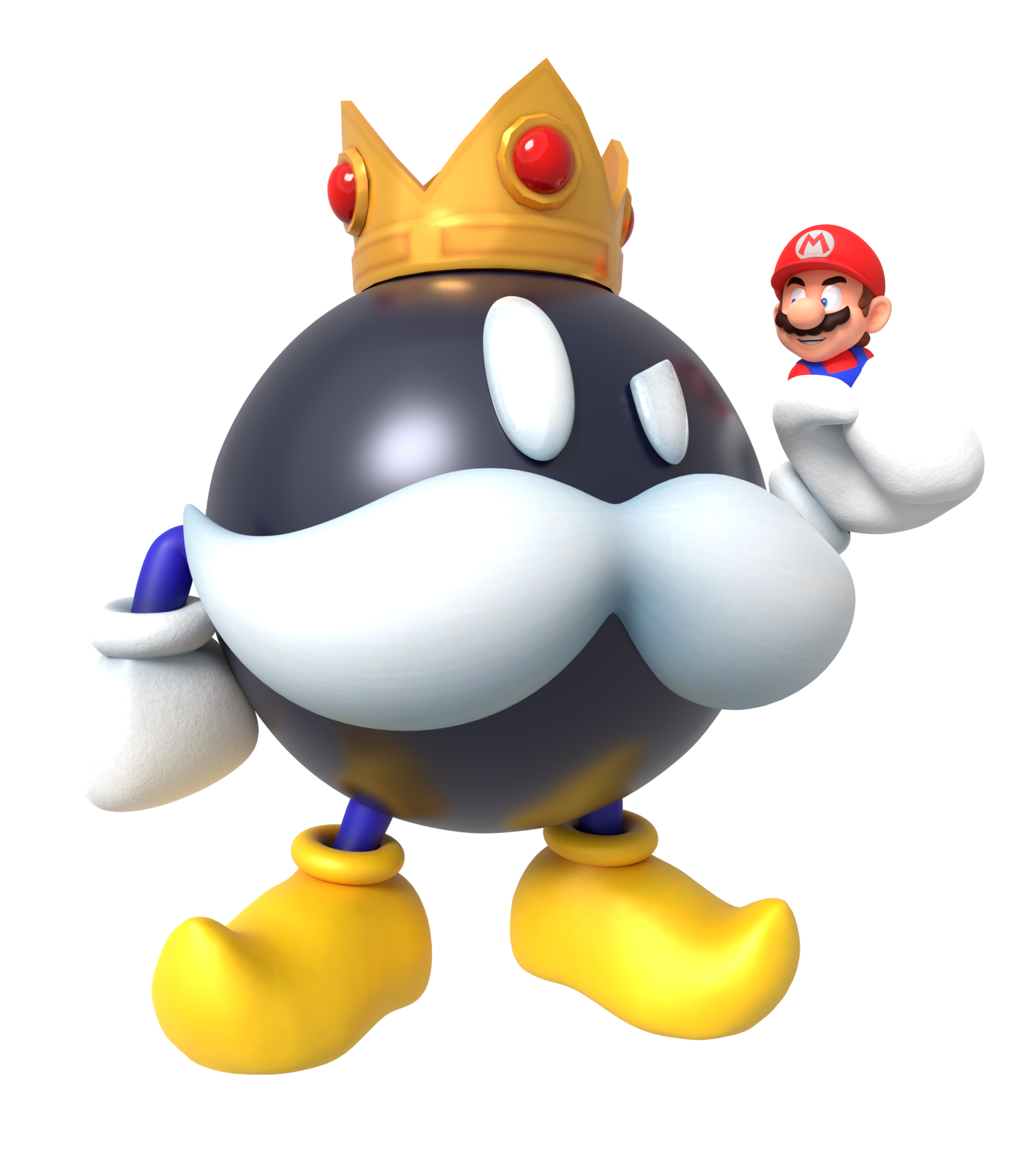
Mario’s strength alone is enough to raise eyebrows. He can lift and throw enemies many times his size—King Bob-omb in Super Mario 64 being a perfect example—and in Super Mario World, after defeating Larry Koopa, he’s seen casually lifting and tossing an entire castle like it’s just another obstacle in his way. That’s not just strength—that’s cartoon logic fused with raw power, placing him in the same conversation as heavyweights like Bowser and Donkey Kong.
And then there’s his jump.
Mario’s jumping ability isn’t just a mechanic—it’s his identity. He can leap up to two stories high with ease, chaining together flips, wall jumps, and mid-air corrections like second nature. It’s the reason every adventure begins with a jump and often ends with one. Still, in a twist that keeps him grounded, Luigi and Yoshi can actually surpass him in pure jumping ability. Mario isn’t always the best—he’s just the most consistent.
Durability? That’s where things get almost ridiculous.
He can fall from towering heights, get slammed by creatures far stronger than any human, walk through lava-filled worlds, frozen tundras, and electrified environments—and still get back up like it’s just another Tuesday. Fire, ice, electricity—these aren’t threats; they’re inconveniences.
His stamina borders on infinite. Mario can run, jump, fight, and explore endlessly without slowing down. And when he does pick up speed, he really picks up speed—fast enough in Super Paper Mario to hit supersonic levels (over 767 mph), earning him comparisons to a “human blur.” Though in most adventures, he keeps it grounded—quick, but not untouchable.
And yet, what ties it all together is his agility and reflexes. Mario doesn’t just survive danger—he dances through it. Split-second reactions, precise landings, perfectly timed dodges—he moves like someone who’s done this a thousand times… because he has.
A Fighter Without a Style—And That’s His Style
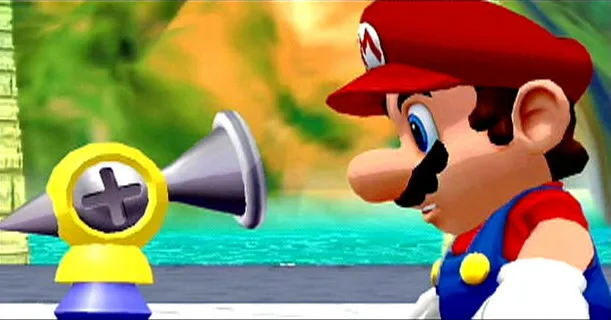
Mario doesn’t follow a strict martial art. He doesn’t need to.
His combat style is instinctive—adaptable. In Super Mario RPG and the Super Smash Bros. series, you see flashes of technique, timing, and raw efficiency. He punches, kicks, throws, counters—whatever the situation demands. He’s not flashy for the sake of it. He’s effective.
And above all, he has something most characters don’t:
An indomitable will.
Mario doesn’t give in. Not to fear, not to temptation, not even to defeat. There’s a purity to him—an almost unshakable moral center that keeps him moving forward no matter how many times he’s knocked down.
Ironically, despite rarely using weapons, he’s shown he can. In Yoshi’s Safari, Mario handles firearms with surprising competence—like it’s just another tool in his arsenal. Give him something to use, and he’ll figure it out.
Put him behind the wheel, and the same thing happens. Whether it’s karts or bikes, Mario is an expert driver—Mario Kart isn’t just a party game; it’s proof that he can master machines as easily as he masters movement.
Power Beyond Logic: Fire, Dimensions, and Survival
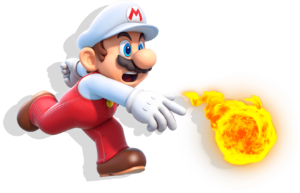
Then come the abilities that push him beyond “superhuman” into something closer to myth.
Mario’s connection to fire is iconic. With a Fire Flower, he can conjure and throw fireballs effortlessly. But in RPGs, sports titles, and especially Super Smash Bros., that ability feels innate—like fire is just a natural extension of who he is. His ultimate move, the Mario Finale, unleashes a massive wave of flame, reinforcing that elemental association.
In Super Paper Mario, things get even stranger. Granted power by Bestovius, Mario gains the ability to flip between dimensions—shifting from 2D into 3D space itself. It’s not just a visual trick; it’s reality-bending. Though it comes at a cost—stay too long, and it drains his life.
And then there’s the most curious ability of all:
He doesn’t stay down.
Mario “dies” constantly—falls, burns, gets crushed—but somehow, he always comes back. Whether it’s extra lives, checkpoints, or something more abstract, Mario exists in a loop where defeat is temporary. It’s not just a gameplay mechanic—it’s become part of his mythos. He doesn’t escape danger. He outlasts it.
More Than a Hero: Roles, Skills, and Alternate Lives
Mario isn’t limited to one identity—he slips between roles as easily as he switches power-ups.
At his core, he’s a leader. Not because he commands—but because people follow. His optimism, energy, and unwavering belief in doing the right thing naturally pull others toward him. Whether it’s Luigi, Peach, Yoshi, or even unlikely allies, Mario inspires without trying.
He’s also an all-rounder in the purest sense. The Mario & Sonic at the Olympic Games series showcases this perfectly—Mario doesn’t dominate one event; he performs well in everything. Balanced. Reliable. Always in the mix.
Then come his alternate forms—his many “selves.”
Power-ups transform him constantly, each one unlocking new abilities and approaches. And then there’s Dr. Mario—not just a costume, but a full-fledged alter ego. In his own series and even as a separate character in Super Smash Bros., Dr. Mario takes on viruses with capsules instead of jumping on enemies. He’s technically an unlicensed doctor, but that doesn’t stop him from saving lives in his own chaotic way—literally tossing medicine to eliminate threats.
Work, Identity, and Where It All Began
Before the Mushroom Kingdom, before Bowser, before everything—Mario and Luigi were just plumbers in Brooklyn, New York.
And that part of them never went away.
Even after stepping into a world of castles and koopas, they still fix things. Pipes, sewers, entire systems—whether it’s repairing the Beanbean Castle’s plumbing in Mario & Luigi: Superstar Saga or fixing clear pipes in Super Mario 3D World, that original identity still lingers beneath the heroism.
In Super Mario Maker, Mario even becomes a builder, quite literally shaping worlds instead of just running through them—a quiet nod to how far he’s come from his early “Jumpman” days.
The Truth About Mario’s Power
He is the one who keeps going.
Through fire, through failure, through impossible odds—Mario adapts, persists, and pushes forward. His power isn’t just in what he can do.
It’s in the fact that no matter what happens—
Mario — A Life Lived One Jump at a Time
The Beginning: Carried by Fate
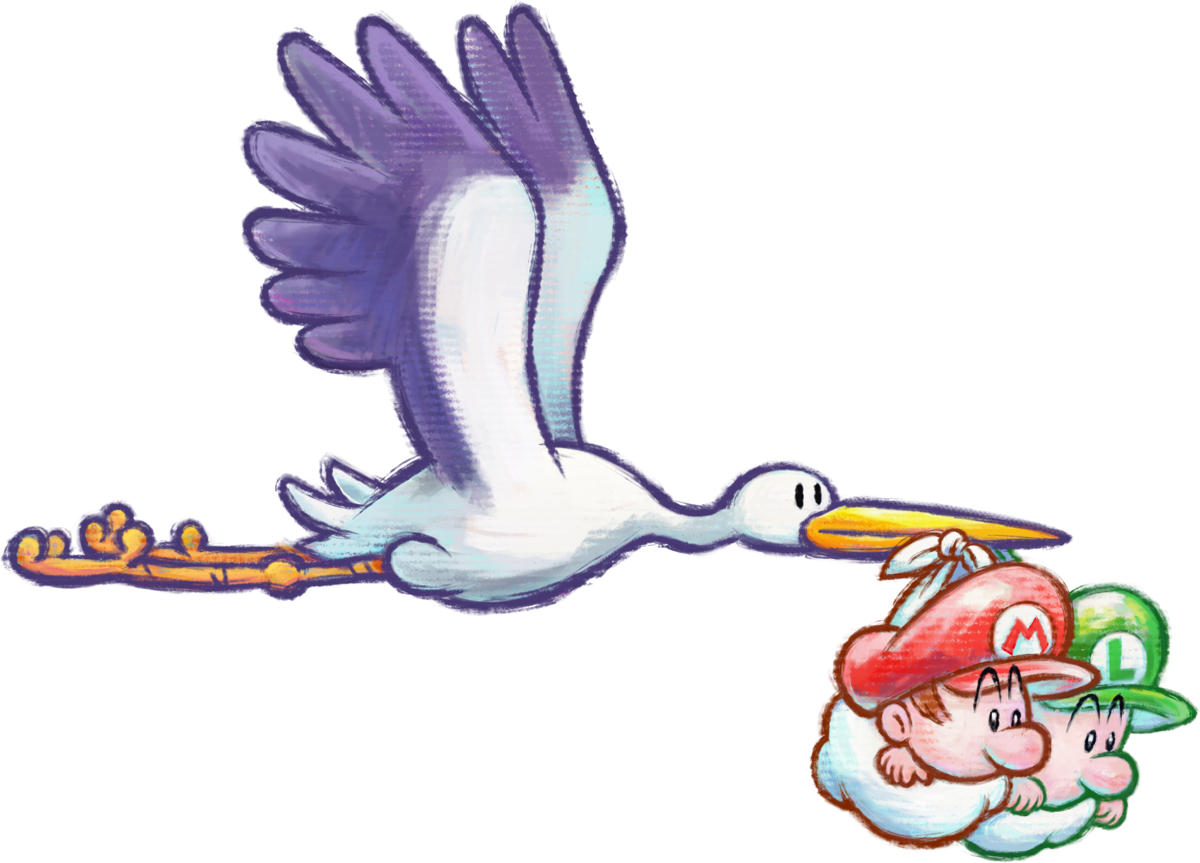
Before the hero, before the legend—there was a baby in the sky.
Mario and Luigi’s story begins in the arms of a stork, drifting gently toward their new home. But peace doesn’t last long. Kamek, Bowser’s loyal sorcerer, intercepts them mid-journey—snatching Baby Luigi and the stork itself. In the chaos, Baby Mario plummets… only to land safely on the back of a Yoshi.
What follows isn’t just a rescue—it’s the first adventure.
Yoshi and his companions band together, carrying Baby Mario across dangerous lands while the Toadies chase them relentlessly. Through teamwork, courage, and a surprising amount of babysitting, they defeat Baby Bowser, rescue Luigi, and free the stork. And just like that, the brothers are delivered home—left quietly at their parents’ doorstep, as if nothing extraordinary had happened.
But something had begun.
Jumpman: The First Climb
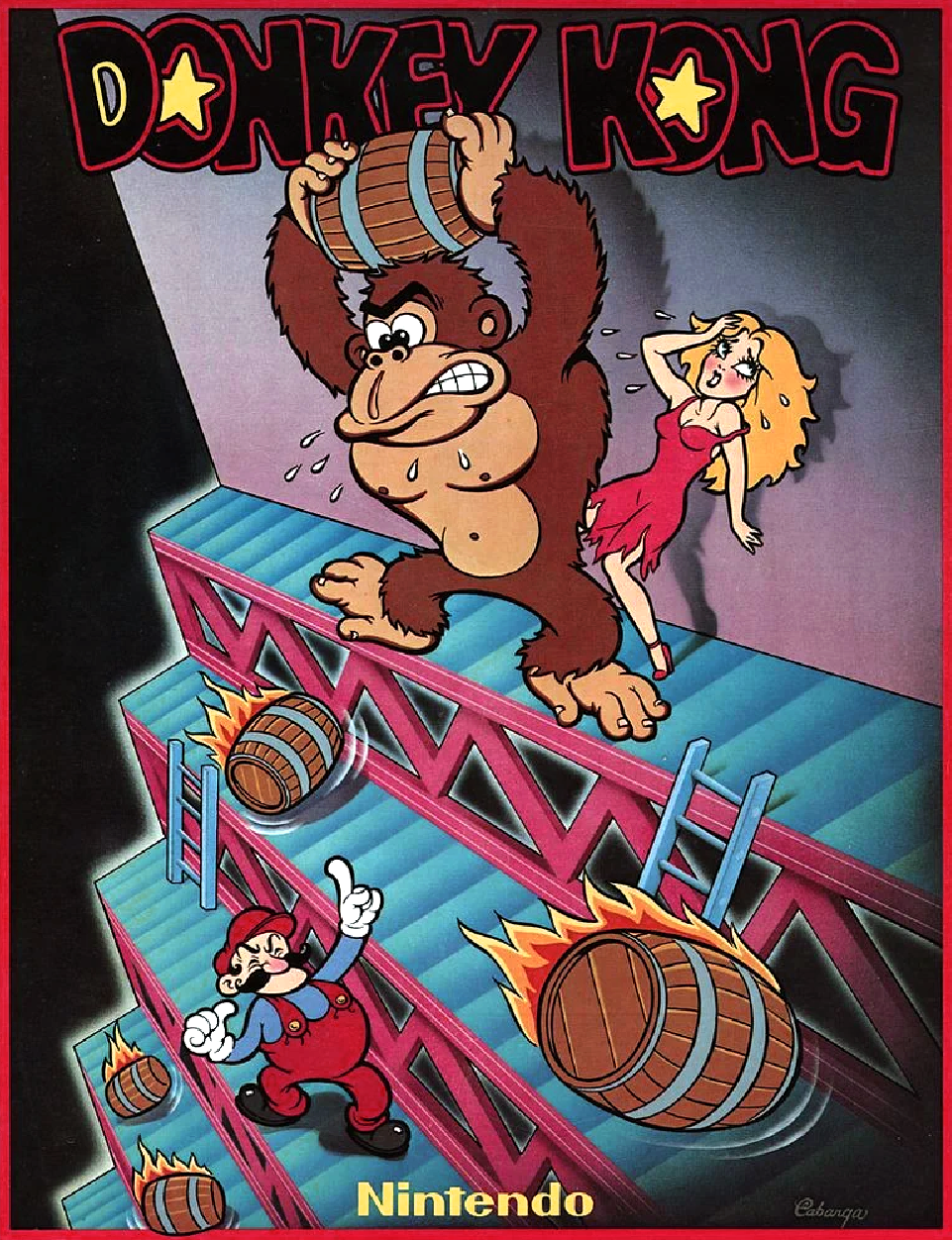
Long before he was “Mario,” he was just a man climbing.
In 1930s New York City, on a dangerous construction site, Donkey Kong Sr. kidnapped Pauline. And there, a carpenter named Jumpman rose to the challenge—dodging barrels, scaling girders, and refusing to give up until Pauline was safe.
He wins. He saves her. And in a moment that feels almost too human, he cages Donkey Kong to make sure it never happens again.
But consequences follow.
Donkey Kong Jr., driven by loyalty, hunts Mario down and frees his father—marking one of the earliest moments where Mario isn’t just a hero… but part of a cycle.
Brooklyn Roots: Pipes and Problems
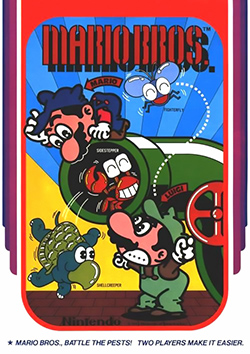
Before castles and galaxies, there were pipes.
Mario and Luigi worked as plumbers in the sewers of New York—gritty, damp, and far from magical. But even there, danger found them. Warp Pipes began spewing out strange creatures—Fighter Flies, Sidesteppers, Shellcreepers—and the brothers fought them off, one by one.
It wasn’t glamorous.
But it was the beginning of them becoming something more.
The Mushroom Kingdom: Destiny Calls
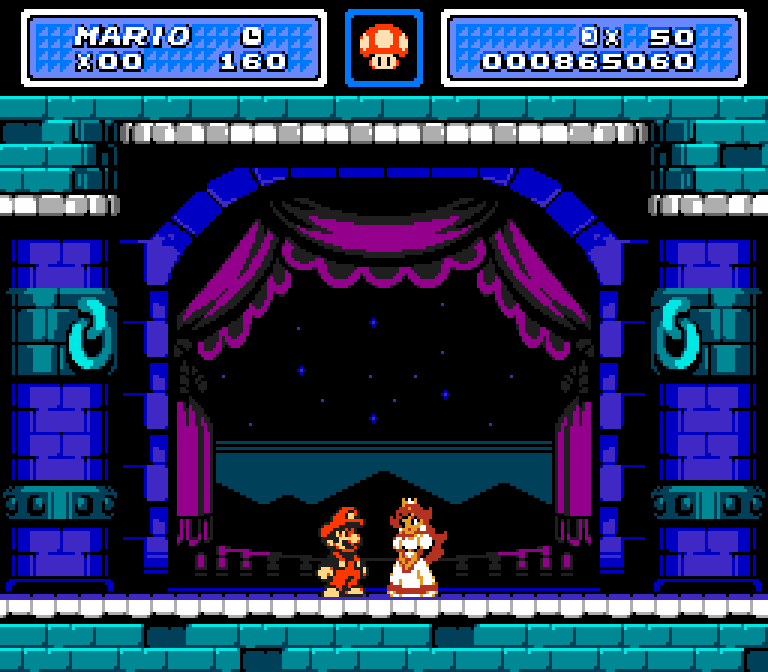
A pipe changed everything.
Transported from New York into the Mushroom Kingdom, Mario and Luigi stepped into a world already under siege. Bowser had cast dark magic—transforming Toads into inanimate objects—and kidnapped Princess Peach to prevent her from undoing it.
Mario fought. He won. He saved her.
And Peach, seeing something in him, gave him a new purpose.
Arrival in the Mushroom Kingdom

The brothers traveled to the Mushroom Kingdom via a warp pipe. Bowser had cast a spell transforming Toads into objects and kidnapped Princess Peach to prevent reversal of the curse. Mario defeated Bowser and rescued Peach, marking the beginning of his recurring role as the kingdom’s protector.
Subcon Incident (Super Mario Bros. 2)
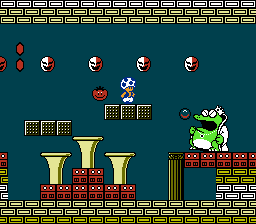
Mario experienced a dream about Subcon, a world ruled by Wart. Later, Mario, Luigi, Peach, and Toad discovered a physical entrance to Subcon. Using vegetables—Wart’s weakness—Mario defeated him and lifted the curse affecting the inhabitants. The group returned, leaving ambiguity as to whether the events were entirely real.
Koopalings’ Invasion (Super Mario Bros. 3)
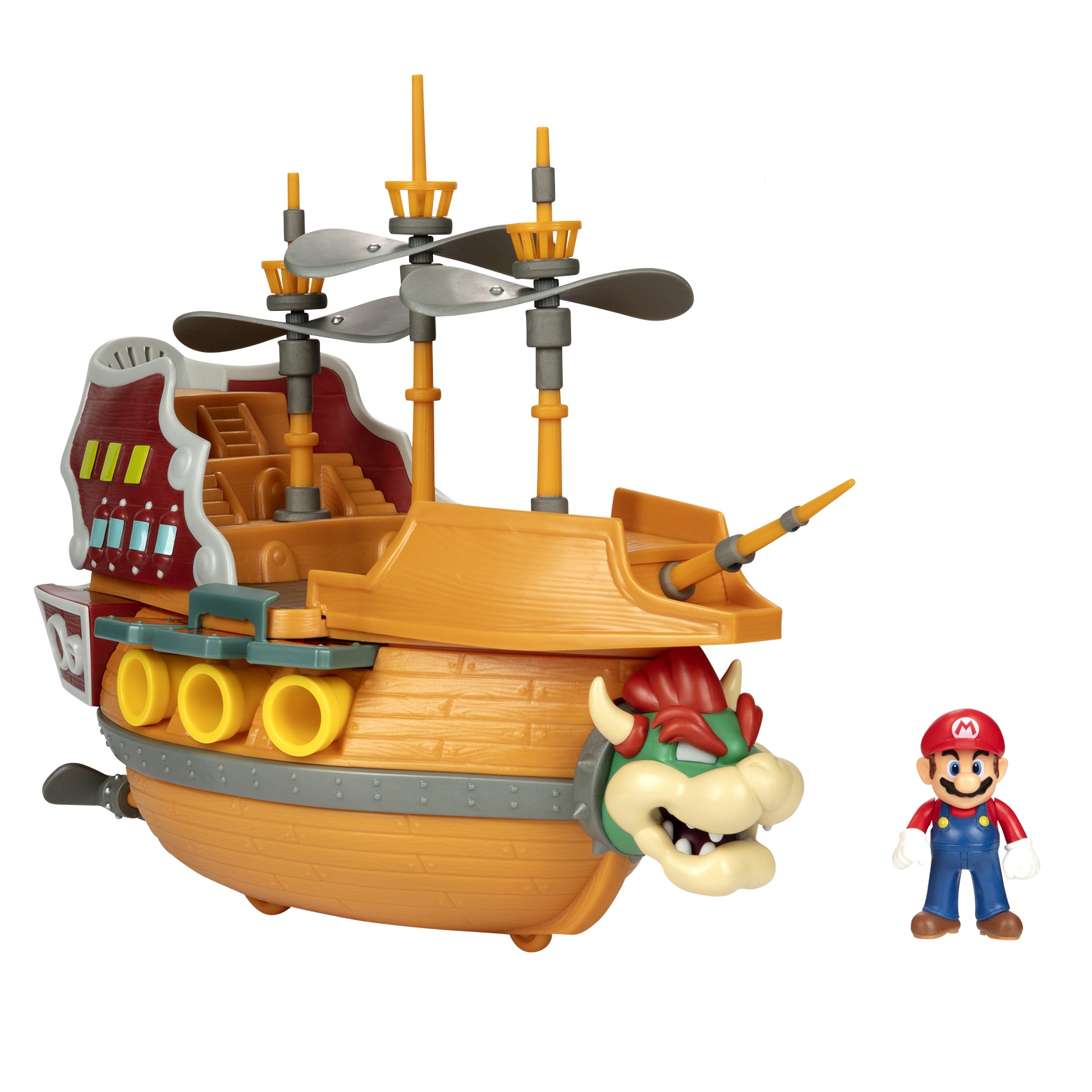
Bowser deployed the Koopalings to conquer multiple kingdoms. They stole magical wands from seven kings and transformed them into animals. Mario and Luigi defeated the Koopalings and restored the kings. Bowser subsequently kidnapped Peach, prompting Mario to infiltrate the Dark Land and defeat him again.
Dinosaur Land (Super Mario World)
While vacationing on Dinosaur Land, Princess Peach was kidnapped. Mario and Luigi encountered Yoshi, who informed them that Bowser had trapped Yoshis in eggs. Together, they defeated Bowser, rescued Peach, and freed the Yoshis.
Sarasaland (Super Mario Land)
The alien Tatanga conquered Sarasaland and kidnapped Princess Daisy. Mario traveled across four kingdoms, defeated Tatanga, and restored control of the land, freeing Daisy and its citizens.
Mario Land and Wario Conflict
During Mario’s absence, Wario seized Mario Land, took control of his castle, and brainwashed its inhabitants. Mario collected six golden coins, confronted Wario, defeated him, and reclaimed his territory.
Warp Paintings (Super Mario 64)
Mario visited Peach’s Castle after receiving an invitation. Bowser had imprisoned Peach and the Toads within magical paintings. Mario entered these worlds, collected Power Stars, defeated Bowser, and rescued Peach. Peach rewarded him with a cake.
Mario — Timeline, Development, and Cultural Impact (Professional Overview)
Timeline of Game Appearances (1981–Present)
Mario’s career spans over four decades, making him one of the most consistently featured protagonists in video game history, with 250+ appearances across arcade, console, handheld, and mobile platforms.
1980s — Origins and Establishment

-
1981 – Donkey Kong (Arcade): Playable debut as Jumpman
-
1982 – Donkey Kong Jr. (Arcade): Antagonist role (only instance)
-
1983 – Mario Bros. (Arcade): First appearance as a plumber
-
Multiple Game & Watch titles (1983–1984) including Mario’s Cement Factory and Mario’s Bombs Away
-
1985 – Super Mario Bros. (NES): Establishes the franchise
-
1986–1988: Sequels and spin-offs (The Lost Levels, Super Mario Bros. 2, Super Mario Bros. 3)
-
Additional appearances in sports (Golf, Tennis) and racing (Famicom Grand Prix)
1990s — Expansion and Genre Diversification
-
1990 – Super Mario World (SNES): Introduces Yoshi
-
1992 – Super Mario Kart: Launches kart racing sub-series
-
1996 – Super Mario 64 (N64): First 3D platformer, major industry milestone
-
1996 – Super Mario RPG: Expands into RPG genre
-
Multiple educational titles (Mario Teaches Typing, Mario’s Time Machine)
-
Party and sports titles begin (Mario Party, Mario Golf)
-
Frequent cameos across Nintendo titles
2000s — Multimedia Growth and Spin-offs

-
2000 – Paper Mario (N64): Narrative-driven RPG
-
2001 – Super Smash Bros. Melee: Fighting game prominence
-
2002 – Super Mario Sunshine (GameCube): Introduces F.L.U.D.D.
-
Expansion into:
-
Sports (Mario Tennis, Mario Golf)
-
Party (Mario Party series)
-
Crossover (Mario & Luigi series)
-
-
Guest appearances in third-party titles (NBA Street V3, SSX on Tour)
2010s — Modern Era and Innovation
-
2010 – Super Mario Galaxy 2: Expands cosmic gameplay
-
2011 – Super Mario 3D Land (3DS)
-
2013 – Super Mario 3D World (Wii U)
-
2015 – Super Mario Maker: User-generated level creation
-
2017 – Super Mario Odyssey (Switch): Introduces Cappy and sandbox exploration
-
Continued dominance in:
-
Mario Kart 8 Deluxe
-
Super Smash Bros. Ultimate
-
Mobile gaming (Super Mario Run, Mario Kart Tour)
-
2020s — Continued Legacy and Cross-Platform Presence
-
2020 – Paper Mario: The Origami King
-
2021 – Super Mario 3D World + Bowser’s Fury
-
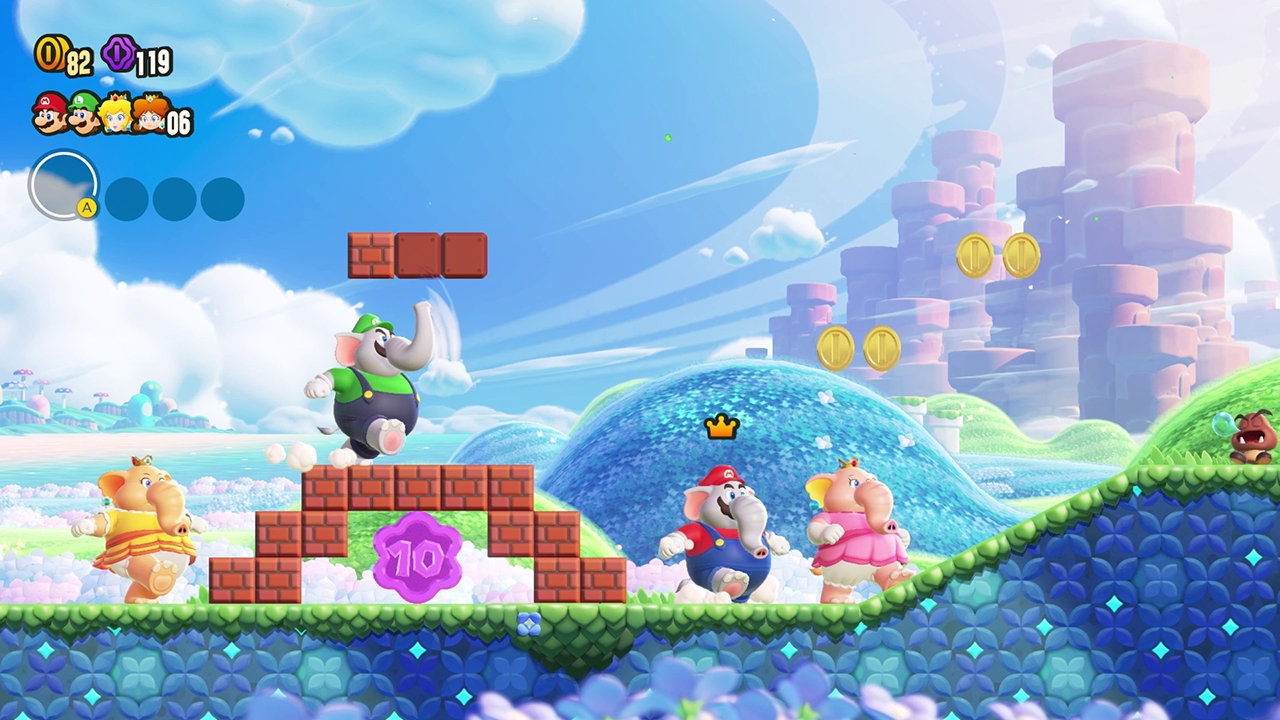
2023 – Super Mario Bros. Wonder
-
Ongoing presence in:
-
Party (Mario Party Superstars)
-
Sports (Mario Golf: Super Rush, Mario Strikers)
-
Strategy (Mario + Rabbids)
-
-
2025 (Upcoming/Recent): Titles for next-gen platforms including Mario Kart World and Mario Party Jamboree (Switch 2 Edition)
Creation and Development
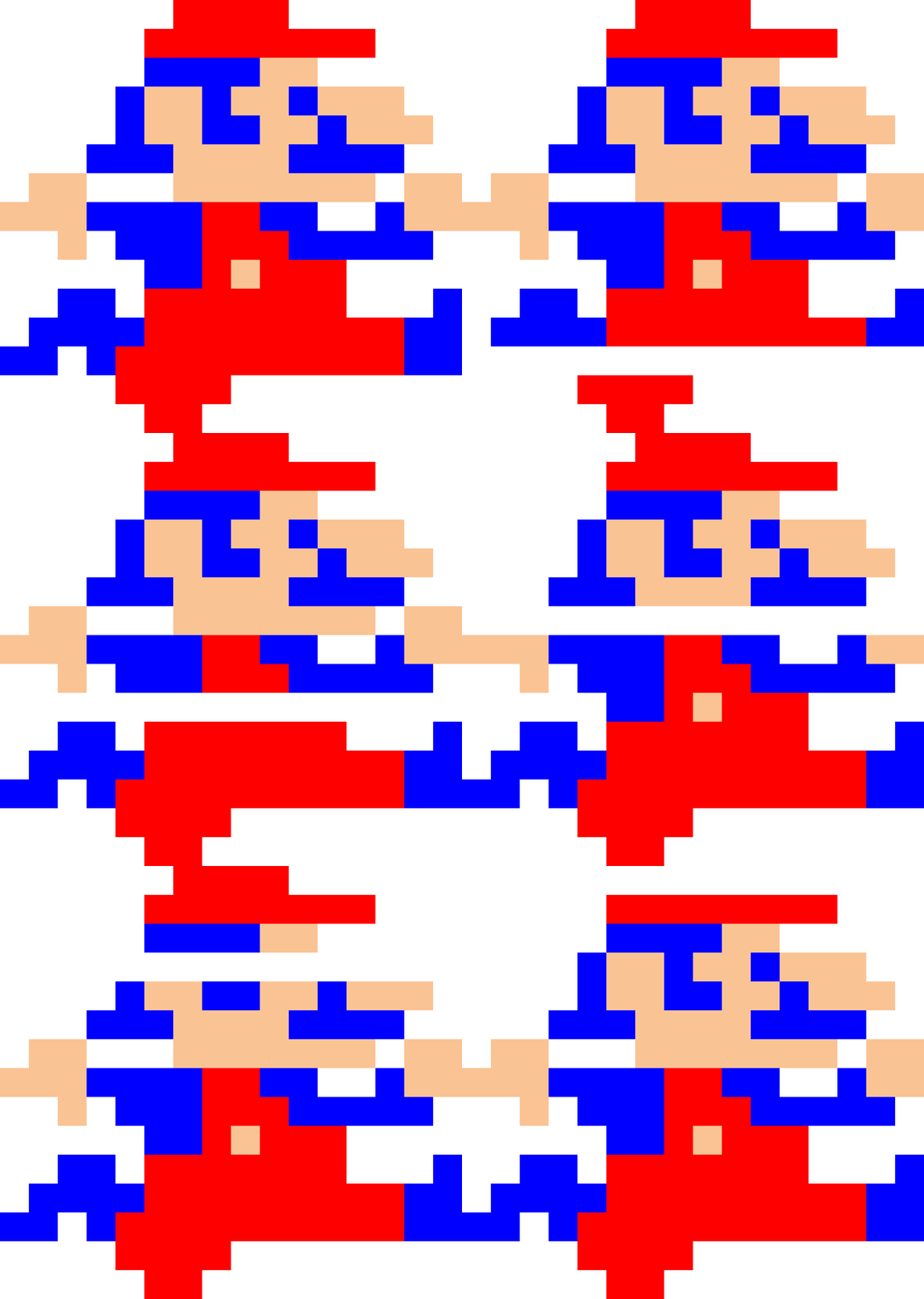
Mario was created by Shigeru Miyamoto during the development of Donkey Kong. Due to hardware limitations, his design emphasized simplicity and recognizability:
-
Mustache added to avoid drawing a mouth
-
Cap added to avoid animating hair
-
Overalls used to distinguish arm movement
He was initially inspired by Popeye, as Nintendo intended to use that license but could not secure it. Early American marketing even depicted Mario in 1930s-style clothing, reinforcing his working-class identity.
Name and Etymology
The name Mario originates from the Latin Marius, associated with Mars, the Roman god of war. The name reflects strength and resilience—qualities that align with Mario’s role as a persistent hero.
Voice and Portrayals
-
Charles Martinet (1994–2023): Defined Mario’s iconic voice; later became Mario Ambassador
-
Kevin Afghani (2023–present): Current voice actor (starting with Super Mario Bros. Wonder)
-
Other portrayals:
-
Toru Furuya (anime and commercials, 1986–1993)
-
Takeshi Aono (commercials)
-
Marc Graue (Hotel Mario)
-
Ronald B. Reuben (Mario Teaches Typing)
-
Cultural Impact
Mario is one of the most globally recognized fictional characters:
-
Widely cosplayed in Japan and worldwide
-
Inspired themed go-kart experiences in real cities
-
Featured in Google Maps as a navigation icon for Mario Day
-
Portrayed by former Japanese Prime Minister Shinzo Abe during the Rio 2016 Olympics closing ceremony
-
Referenced in mainstream media, animation, and crossovers
He has also appeared in web series such as Death Battle, where he fought Sonic the Hedgehog (losing initially, later winning a rematch).
Reception and Recognition
-
Ranked #1 in Nintendo Power’s top video game characters
-
Ranked #2 in The 50 Greatest Characters (Willow Green)
-
Ranked #4 in Game Savvy’s top 50 characters
-
Charles Martinet holds a Guinness World Record for most performances as the same video game character
Trivia and Notable Facts
-
Birthday is often cited as October 11, though some sources list January 1
-
Originally a carpenter (Donkey Kong), later established as a plumber
-
Has the most playable appearances of any video game character
-
“Mario” is canonically both his first and last name (per later acceptance by Miyamoto)
-
Longtime rival of Sonic the Hedgehog, central to the 1990s console wars
-
Frequently paired with Link as parallel Nintendo heroes (rescuing kingdoms and princesses)
-
Known catchphrase misheard: “So long, king-a Bowser!” (often misinterpreted)
-
Has appeared in promotional campaigns such as “Got Milk?”, where milk transforms him into Super Mario
-
Maintains consistent visual identity, including his cap since infancy
-
Appeared as a puppet in multiple E3 events (1996–2001)
-
Was planned but ultimately excluded from Disney’s Wreck-It Ralph films (though referenced)
-
Pauline predates Princess Peach as Mario’s first romantic connection (Donkey Kong, 1981)