India’s Official Distributor and Retailer for Licensed Action Figures, Statues and Anime Collectibles

0

Your Cart is Empty

February 18, 2026 9 min read

The Spider-Noir trailer just cast a long shadow. One soaked in neon reflections, cigarette smoke, and the unmistakable presence of monsters who don’t need superpowers to feel terrifying. And somewhere between the gunshots and the growl of a broken city, a question starts to form:

Is this trailer quietly assembling the Sinister Six?

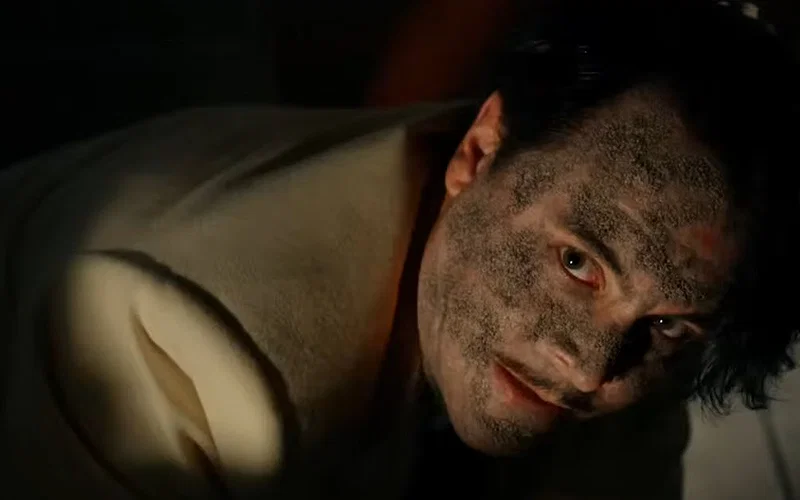
Fans have been waiting for Spider-Noir with bated breath. The idea alone—Spider-Man filtered through hard-boiled noir, moral decay, and Depression-era brutality—felt like a love letter to the darkest corners of Marvel. With Nicolas Cage stepping into the role of Ben Reilly, a weary Spider-Man navigating a New York ruled by crime lords rather than colorful supervillains, expectations were already sky-high.

Then the trailer arrived—and raised them even further.

A City Crawling with Predators

Opposite Cage’s Spider-Noir stands Silvermane, portrayed by Brendan Gleeson. Even in brief glimpses, Silvermane doesn’t feel like a mere antagonist—he feels like a keystone. The kind of figure around whom other monsters orbit. A crime boss who doesn’t just control the city, but feeds on it.

But Silvermane isn’t alone.

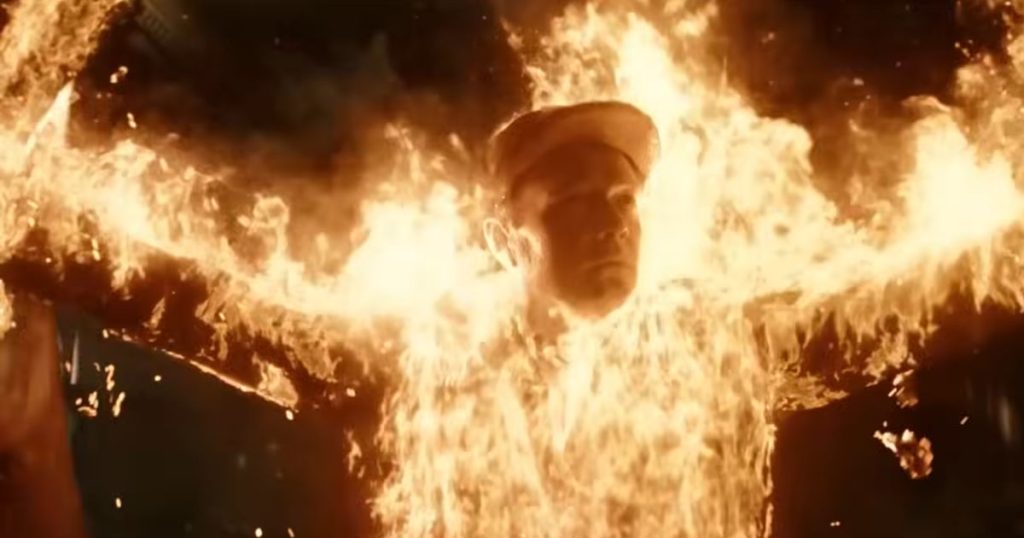
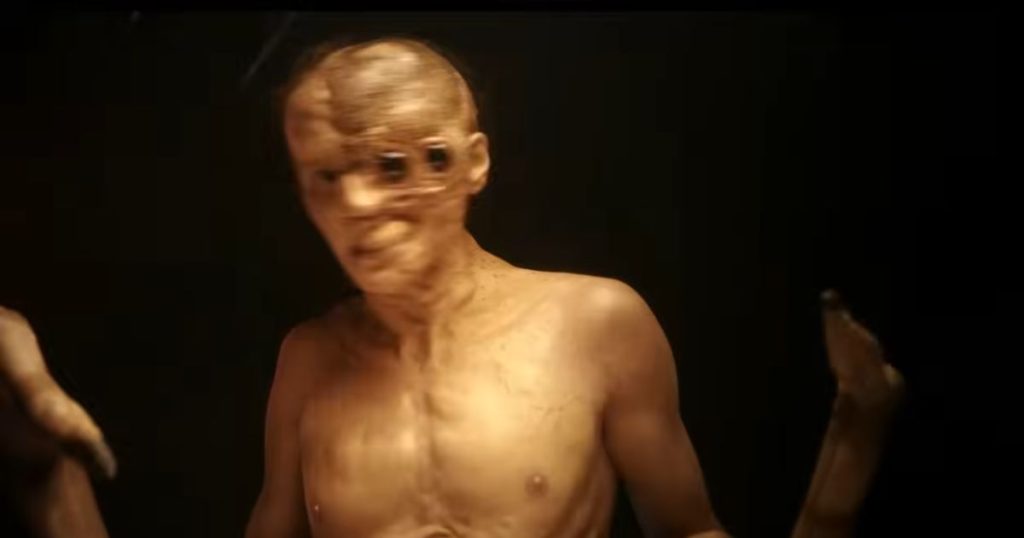
The trailer flashes silhouettes, shadows, and moments of violence that feel too deliberate to be coincidence. Faces half-seen. Figures framed like legends whispered about in back alleys. These aren’t random thugs. These are names Spider-Man fans recognize—or at least feel in their bones.

That’s where the theory ignites.

Is the Sinister Six Hiding in Plain Sight?

The Sinister Six has always represented Spider-Man at his most overwhelmed—not by one great evil, but by many, coordinated and merciless. And Spider-Noir feels like the perfect place to reimagine them: stripped of flamboyance, grounded in brutality, and unified by power rather than spectacle.

The trailer doesn’t confirm a lineup. It doesn’t need to. Instead, it suggests—through tone, framing, and presence—that Spider-Noir may be facing not just a rogues’ gallery, but an ensemble of nightmares. Each villain a reflection of a city rotting from the inside. Each one capable of breaking Reilly in a different way.

This isn’t about colorful costumes or comic-book theatrics. This is about pressure. Attrition. The kind of evil that doesn’t attack all at once—but never lets you rest.

A Noir Sinister Six Would Be Different—and Deadlier

If Spider-Noir truly is building toward a Sinister Six–style convergence, it won’t look like anything we’ve seen before. No grand speeches. No theatrical entrances. Just crime, corruption, and violence closing in from every direction.

And that’s what makes the idea so compelling.

In a noir world, villains don’t want to defeat Spider-Man—they want to outlast him.

As the Amazon Prime series inches closer, one thing feels certain: Spider-Noir is reworking his most dangerous myth into something colder, crueler, and far more haunting.

Silvermane has always been a man terrified of time

Image

In the comics, Silvermane—born Silvio Manfredi—chased immortality with cold, mechanical obsession. He rebuilt himself piece by piece into a cyborg, trading flesh for steel in a desperate attempt to outrun death. Half man, half machine, Silvermane became a grotesque symbol of what happens when power refuses to let go.

But Spider-Noir appears to be doing something far more unsettling.

In the Prime Video series, Brendan Gleeson portrays Silvermane not as a cyborg, but as a fully human mob boss rooted firmly in 1930s New York. And that choice may be even darker. There are no wires, no chrome limbs, no sci-fi augmentation—just age, authority, and a lifetime of violence etched into his presence.

The imagery tells its own story. Reflections fracture his face. Portraits linger like ghosts. He’s presented less as a supervillain and more as an institution—a man who has outlived rivals not by evolving physically, but by owning the city itself. In a noir world, immortality doesn’t come from machines. It comes from fear, influence, and legacy.

This reinterpretation strips Silvermane down to his most terrifying essence. He isn’t powerful because he can’t die. He’s powerful because everyone else does.

By grounding Silvermane as a human crime lord rather than a cyborg, Spider-Noir leans into its central theme: decay. Time still wins. Bodies still fail. But men like Silvio Manfredi cling to control until the very end, dragging the city down with them.

If this Silvermane ever chooses to pursue the mechanical path fans know from the comics, it won’t feel like a gimmick—it’ll feel like inevitability. A final refusal to fade.

And in a world drenched in shadows, that makes him the perfect kingpin.