


Official vs Fake Naruto Figures: A Collector's Guide to Authenticity
Naruto has grown from one of the world's most beloved anime franchises into a massive collectibles phenomenon. From Naruto Uzumaki, Sasuke Uchiha and Kakashi Hatake to Itachi, Madara, Minato, Gaara and the Akatsuki, there are now hundreds of action figures, statues, model kits, plush toys and collectible figures available to fans.
But with that popularity comes a growing problem: counterfeit Naruto collectibles and bootleg action figures.
For new collectors, telling an authentic Naruto figure from a fake can be surprisingly difficult. Counterfeit manufacturers have become increasingly good at copying packaging, logos, promotional photographs and even the sculpting of popular figures.
The good news is that collectors can significantly reduce the risk of buying a fake by knowing what to examine before purchasing.
This guide explains the difference between official Naruto collectibles and counterfeit figures, the brands to look for, the warning signs of a bootleg, and how to buy Naruto action figures more safely.
What Makes a Naruto Collectible "Official"?
An official Naruto collectible is manufactured or distributed under an authorized license connected to the Naruto intellectual property.
Naruto merchandise is produced across different companies and collectible lines. Some of the most recognizable names collectors may encounter include BANDAI SPIRITS, Bandai, Banpresto, Ichibansho, Ichiban Kuji, Tamashii Nations and S.H.Figuarts.
The official Naruto website itself directs customers to Bandai customer support for Bandai toys and to BANDAI SPIRITS for products such as figures, Ichiban Kuji prizes and related collectibles.
This distinction is important because simply seeing the word "Naruto" on a box does not automatically mean the product is official.
A counterfeit manufacturer can reproduce the character artwork, logos and packaging design without authorization.
Why Are Fake Naruto Figures So Common?

Naruto is one of the most recognizable anime franchises in the world, making its popular characters highly attractive targets for counterfeit manufacturers. The franchise’s global popularity and dedicated collector community have created a strong demand for figures, statues, and other merchandise—unfortunately, that demand also attracts the counterfeit market.
The problem isn’t limited to expensive statues or premium action figures. Fake Naruto merchandise can appear across almost every price category, including:
- Action figures
- Poseable figures
- Statues
- Mini figures
- Blind boxes
- Plush toys
- Model kits
- Keychains
- Limited-edition collectibles
- Convention-style exclusives
- Older discontinued figures
Another factor driving the counterfeit market is the demand for discontinued and hard-to-find Naruto collectibles. When an original figure is no longer available at retail, collectors often turn to the secondary market, where prices can increase significantly.
This creates an opportunity for counterfeit sellers to advertise supposedly “new” versions at unusually low prices. At first glance, these bootlegs may look remarkably similar to the authentic product, making them particularly difficult for inexperienced collectors to identify.
The issue is especially concerning with older or highly sought-after releases. A genuine collectible that originally sold at an accessible price may become considerably more valuable over time. Counterfeit manufacturers can take advantage of this demand by reproducing the character, packaging, artwork, and even product photography associated with the original release.
Bandai Namco has publicly recognized counterfeiting as an ongoing issue and states that it works with business partners and relevant authorities to address counterfeit products and intellectual-property infringement.
For Naruto collectors, this makes authenticity more important than ever. Understanding the manufacturer, packaging, sculpt quality, paint application, licensing information, seller reputation, and pricing can help distinguish an official collectible from a convincing counterfeit.
Official vs. Fake Naruto Figures: The Biggest Differences

There is no single foolproof test that can identify every counterfeit Naruto collectible. The most reliable approach is to examine several details together and look for inconsistencies.
Think of authenticity checking as detective work: one small detail may not prove that a figure is fake, but several warning signs appearing together can tell a very different story.
Check the Manufacturer
One of the first things collectors should investigate is the manufacturer behind the figure.
Start by examining the packaging for the company name, logos, copyright information, and licensing details. Depending on the specific product and release, authentic Naruto collectibles may come from companies or product lines such as:
- BANDAI SPIRITS
- Bandai
- Banpresto
- Tamashii Nations
- Ichibansho
- Ichiban Kuji
However, it is important to remember that the manufacturer and branding can vary from one Naruto collectible to another. A genuine product should have manufacturer information that corresponds with the specific release you're purchasing.
Counterfeit products may feature generic company information, poorly reproduced logos, unusual branding, spelling mistakes, or printing that appears inconsistent with the original packaging.
That said, simply seeing a familiar company name or logo on a box does not automatically prove that a product is authentic. Counterfeit manufacturers can reproduce official logos, artwork, and branding surprisingly well.
The key is to compare the manufacturer information with the exact product and release you're trying to buy.
Pro tip: If you're unsure, search for official product images and compare the manufacturer markings, copyright information, box design, and product details with the figure in front of you. The more closely the details match the original release, the more confidence you can have in its authenticity.
Examine the Packaging Quality

When trying to determine whether a Naruto figure is genuine or counterfeit, the packaging is one of the easiest places to start. While counterfeiters have become increasingly skilled at reproducing boxes and artwork, the quality of the packaging can still reveal important clues when you know what to look for.
Official Naruto collectibles are generally packaged to a professional manufacturing standard. BANDAI SPIRITS, for example, states that its products undergo quality checks and inspections before they are shipped, with final products required to meet its established standards.
That means collectors should pay close attention to the overall quality and consistency of the box rather than focusing on just one detail.
What Should You Look for on Official Packaging?
Authentic products will generally have professionally produced packaging featuring details such as:
- Sharp, clean printing with clearly defined text and graphics
- Consistent and accurate colors that match official product images
- Correct character artwork corresponding to the specific figure
- Proper manufacturer and brand logos
- Clear, high-quality product photography or promotional artwork
- Accurate Japanese and/or English text, depending on the intended market
- High-quality, clearly printed barcodes
- Correct copyright and licensing information
- Cleanly cut edges and professionally finished printing
- The correct official product name
- Consistent placement and proportions of logos, artwork, and other design elements
It is also worth remembering that official Naruto products can look very different from one another. BANDAI SPIRITS has released Naruto products through several different lines and formats, including prize figures, Ichiban Kuji releases, and other collectible ranges. Its official product database, for example, lists numerous Naruto releases with specific product names, release dates, images, and product information.
This is why comparing the box against the exact release is much more useful than simply looking for a generic “Bandai” logo.
Warning Signs on Counterfeit Packaging
Bootleg packaging can sometimes look convincing from a distance, but closer inspection may reveal inconsistencies. Potential warning signs include:
- Blurry or poorly defined artwork
- Incorrect or noticeably altered colors
- Pixelated product photographs
- Spelling or grammatical mistakes
- Unusual or inconsistent fonts
- Misaligned or poorly reproduced logos
- Thin, flimsy, or noticeably low-quality cardboard
- Incorrect character names
- Low-resolution graphics
- Suspiciously altered, incomplete, or poorly printed copyright information
- Artwork or product photography that does not match the known official release
One particularly useful technique is to compare the packaging with photographs from the manufacturer's official product listings. BANDAI SPIRITS' official Naruto product pages provide product names, release dates, photographs, and other identifying information, making them useful references when checking a figure.
Don't Judge the Box by One Detail
It is important not to automatically declare a figure fake because of a single packaging discrepancy.
Packaging can legitimately vary between regions, production runs, retailers, prize releases, reissues, and different editions of the same character. Even official product photography may not always perfectly represent the final physical product; BANDAI SPIRITS itself notes on its product pages that photographs and illustrations may differ in some respects from the actual product.
Instead, look for multiple inconsistencies appearing together.
For example, a slightly different box design on its own may not mean anything. But if that same box also has blurry printing, an incorrect character name, questionable copyright information, poor-quality cardboard, and artwork that does not match the official release, the combination becomes much more suspicious.
Compare Before You Buy
If you are purchasing a valuable or discontinued Naruto collectible, try to find photographs of the authentic release before completing the purchase. Compare the seller's photographs with official product images and look closely at the box artwork, logos, typography, character images, copyright information, barcode placement, and overall layout.
This is especially useful for older or rare Naruto figures, where counterfeit versions can circulate in the secondary market.
Ultimately, packaging quality is an important clue, not a definitive authentication test. A convincing counterfeit can reproduce a box surprisingly well, while an authentic product can occasionally have minor printing or packaging variations. The safest approach is to combine packaging inspection with other checks—including the manufacturer, figure sculpt, paint quality, markings, accessories, seller reputation, and price—before deciding whether a collectible is genuine.
Don't Judge Authenticity by Price Alone
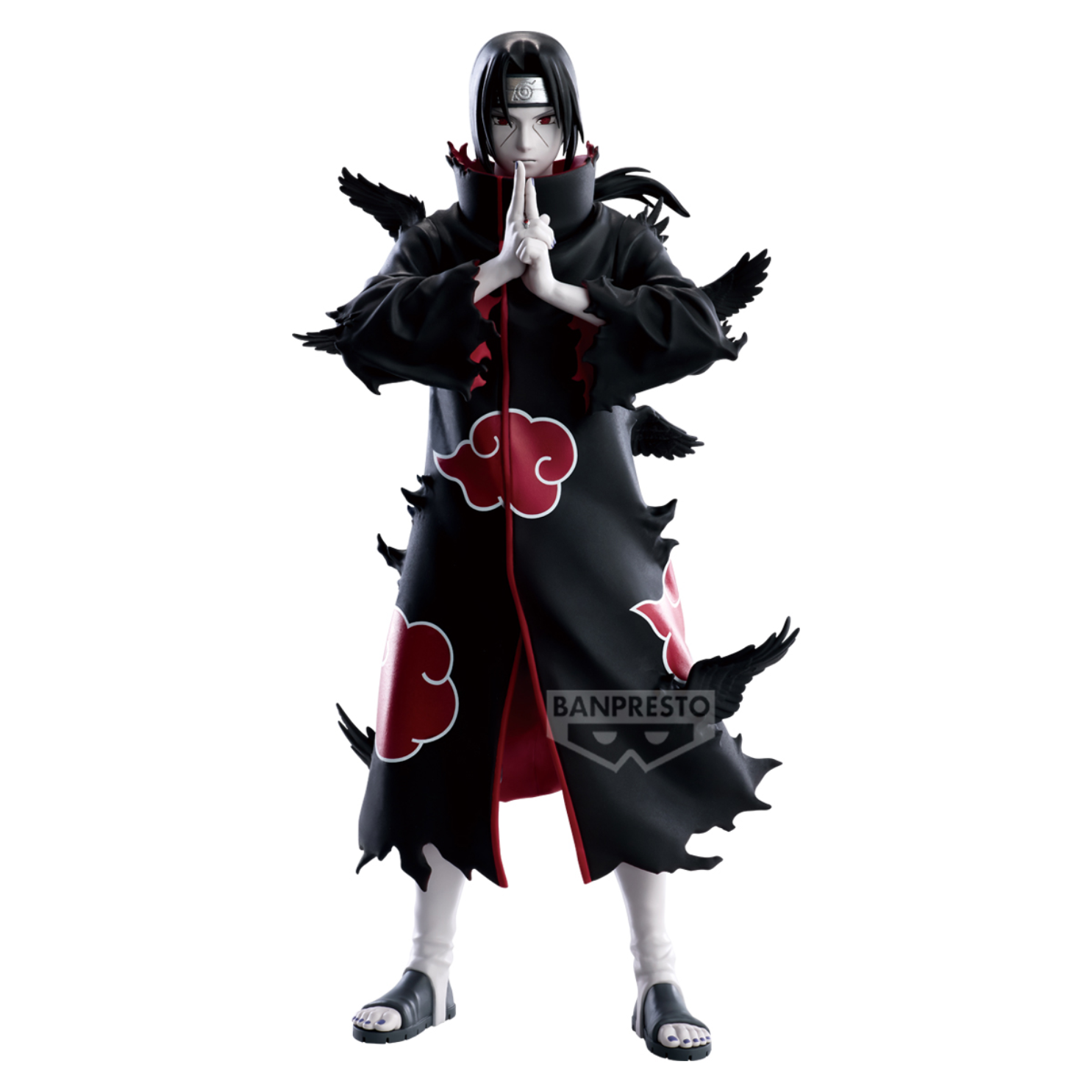
One of the biggest mistakes new collectors make when shopping for Naruto figures is assuming that a low price automatically means the figure is fake.
It is tempting to think:
“It’s cheap, therefore it’s fake.”
But price alone is never enough to authenticate a collectible. Price should be treated as a warning sign or a reason to investigate further—not as proof that a figure is counterfeit.
The collectible market can be surprisingly complicated. The same Naruto character may appear across different product lines, manufacturers, editions, release years, and distribution channels, meaning that two figures featuring the same character can legitimately have very different prices.
For example, BANDAI SPIRITS currently lists an S.H.Figuarts Naruto figure at ¥4,400, while a Figuarts ZERO Naruto release is listed at ¥15,400. Both are official Naruto collectibles, yet their prices are dramatically different because they belong to different product lines and offer different formats and specifications.
Why Can a Genuine Naruto Figure Be Surprisingly Cheap?
There are several perfectly legitimate reasons why an authentic Naruto collectible might be available for significantly less than its original retail price.
A retailer may discount a genuine figure because:
- The retailer is clearing stock to make room for newer products.
- The product has been available for a long time and demand has decreased.
- The retailer is running a promotion or sale.
- The item is being discontinued or is approaching the end of its regular retail life.
- The packaging has minor damage, while the actual figure remains completely genuine.
- The product has been imported through a different market, resulting in different pricing from the original market.
- The retailer purchased the product at a different wholesale price, allowing them to offer a more competitive selling price.
- The figure is a prize or lower-priced product line, rather than a premium collectible.
This last point is particularly important for Naruto collectors. BANDAI SPIRITS produces Naruto figures across a wide range of product categories and price points. Its official product listings include prize figures as well as more premium collectible lines, so a lower price does not automatically indicate a counterfeit.
In other words, you need to understand what you're actually buying before deciding whether the price is suspicious.
An Expensive Figure Can Still Be Fake
The opposite is also true.
A high price does not guarantee authenticity.
A counterfeit seller can deliberately price a bootleg close to—or sometimes even above—the expected market price to make the product appear more legitimate. The seller may assume that buyers associate a higher price with better quality or authenticity.
This is why collectors should be cautious about using price as their primary authentication method.
A figure being listed for ₹2,000 when comparable genuine examples sell for ₹8,000 should certainly make you investigate further. But a figure listed for ₹8,000 is not automatically authentic simply because the seller is charging ₹8,000.
The same principle applies to supposedly rare or discontinued Naruto figures. A seller may use phrases such as “rare,” “exclusive,” “limited edition,” or “hard to find” to justify a premium price, but those claims should be verified against the actual release history.
Look at the Figure's History, Not Just Its Price
Instead of asking only:
“Is this figure cheap?”
ask a much more useful question:
“Does the price make sense compared with this product's release history, current availability, product line, and prices from established retailers?”
Start by identifying the exact figure. Look for its official product name, manufacturer, product line, release date, and original retail price where available.
Official manufacturer databases can be particularly useful for this. BANDAI SPIRITS' product listings provide information such as product names and release dates, and they also note that products can eventually stop being produced or sold as time passes.
Once you know what you're looking at, compare prices across several reputable retailers and established marketplaces rather than relying on a single listing.
Look for the Bigger Picture
A suspiciously low price becomes much more meaningful when it appears alongside other warning signs.
For example:
Low price + poor packaging + questionable seller + incorrect product details = major red flags.
But:
Low price + reputable retailer + correct packaging + genuine product markings + documented release history = potentially a perfectly legitimate deal.
This is why experienced collectors rarely authenticate a figure based on one clue. Community discussions among anime-figure collectors similarly emphasize examining multiple factors, including the retailer, product details, and physical characteristics, rather than relying on a single tell.
The Collector's Golden Rule
When buying Naruto collectibles, don't automatically chase the cheapest price—and don't automatically trust the most expensive one either.
Instead, investigate the entire story behind the product.
Check:
- Who manufactured it?
- Which product line does it belong to?
- When was it originally released?
- Was it a standard retail release, prize figure, exclusive, or limited edition?
- Is the product still being manufactured?
- What was its original retail price?
- What are established retailers currently charging?
- What are comparable genuine examples selling for?
- Does the packaging match the official release?
- Does the seller have a credible reputation?
- Do the figure, accessories, markings, and paintwork match authentic examples?
Price can tell you that something deserves a closer look—but it cannot tell you whether a Naruto figure is genuine on its own.
For collectors, the smartest approach is to treat price as one piece of the authentication puzzle, then combine it with the product's history, physical details, packaging, seller reputation, and manufacturer information before making a purchase.
Look at the Sculpt and Paintwork

Once you've inspected the packaging, it's time to look at the most important part of the collectible: the figure itself.
The sculpt, molding, paintwork, proportions, and small character details can reveal a great deal about whether a Naruto figure is an authentic release or a poorly reproduced counterfeit.
Official Naruto figures typically go through considerable design, sculpting, molding, coloring, and quality-control work before reaching collectors. The official Naruto website has even showcased the level of attention given to areas such as molding, accessories, textures, and coloring in Ichiban Kuji releases. This is a useful reminder that the tiny details collectors sometimes overlook can be an important part of the original product's design.
Of course, not every authentic figure will have flawless paintwork. Manufacturing variations can happen, particularly with mass-produced collectibles. The goal is therefore not to look for one tiny imperfection, but to determine whether the overall sculpt and finish are consistent with the official product.
Examine the Face Carefully
The face is one of the first areas experienced collectors tend to inspect.
Naruto characters can be particularly challenging to reproduce because their distinctive anime facial features depend heavily on precise proportions, eye placement, expressions, and facial printing. Even a small deviation can make a figure look noticeably different from the official release.
Compare the face with official product photographs and look for:
- Uneven or asymmetrical eyes
- Poorly aligned pupils
- Incorrect facial proportions
- Blurry or poorly printed facial details
- An expression that looks noticeably different from the official release
- Poorly sculpted or defined hair around the face
- Incorrect eyebrow placement or shape
- Uneven or inconsistent skin tones
Facial printing is particularly worth examining on modern figures. Eyes, eyebrows, whisker marks, scars, and other small details should generally appear clean and intentional. If these details look noticeably blurred, distorted, or misplaced compared with the official product photographs, it is worth investigating further.
However, remember that minor printing imperfections can occur even on genuine products. A single imperfect eye should not automatically turn your collectible into a suspected bootleg.
Inspect the Hair
Naruto's characters are famous for their distinctive hairstyles, which makes the hair another useful area to examine.
Spiky anime hair can be surprisingly difficult to reproduce accurately. Poor-quality molds may lose some of the definition of the original sculpt, while inferior paint applications can make individual sections look messy.
Check whether:
- The overall hair sculpt matches official photographs
- Individual spikes are clearly defined
- The proportions and direction of the hair match the original design
- Paint has bled between different sections
- The hair color matches the official release
- Highlights, shadows, or painted sections appear where they should
For example, Naruto's blond hair, Sasuke's darker hair, Kakashi's silver hair, and characters such as Madara or Itachi have very distinctive silhouettes. If the hair shape looks substantially different from the authentic product, that's something worth investigating.
Examine the Clothing and Accessories
Don't stop at the face and hair. Some of the strongest clues can be found in the smaller costume details.
Pay close attention to elements such as:
- Forehead protectors and headbands
- Zippers
- Belts
- Pouches
- Sandals
- Cloaks
- Armor
- Akatsuki clouds
- Weapons and other character-specific accessories
These details may look insignificant individually, but together they contribute heavily to the accuracy of the character.
For example, the pattern and placement of the Akatsuki clouds, the design of a ninja headband, or the shape of Naruto's sandals can often be compared directly with official product photographs. If several of these elements are noticeably different, it may indicate that you're looking at something other than the original release.
Pay Attention to the Paint Application
Paint quality is another important area to examine.
Authentic figures can still have occasional factory imperfections, but the overall paint application should generally reflect the design shown in official product images.
Look for:
- Clean boundaries between different colors
- Consistent skin tones
- Properly defined costume details
- Minimal paint bleeding
- Accurate color placement
- Consistent shading where applicable
- Cleanly painted eyes and facial features
Counterfeit figures may sometimes show excessive paint bleeding, uneven coverage, muddy colors, rough transitions, or colors that differ noticeably from the official release.
Again, one paint flaw does not prove that a figure is fake. Mass-produced collectibles can have legitimate factory variations. What matters is whether the figure's overall sculpt and paintwork correspond to the authentic version.
Compare, Don't Just Inspect
One of the best ways to evaluate sculpt and paintwork is to compare the figure directly with photographs of the exact official release.
Don't simply search for a generic image of Naruto and decide whether your figure “looks right.” Naruto figures from different manufacturers and product lines can have dramatically different interpretations of the same character.
Instead, compare:
Your figure → Official product photos → Manufacturer/product information
Pay attention to the silhouette, face, hair, clothing, accessories, paint placement, proportions, and small character-specific details.
The more discrepancies you discover across multiple areas, the more carefully you should investigate the figure's authenticity.
Ultimately, the sculpt and paintwork should be viewed as part of a larger authentication process. When combined with packaging quality, manufacturer information, product history, seller reputation, and pricing, the physical appearance of the figure can provide a much clearer picture of whether your Naruto collectible is the real deal.
Look for Authenticity Stickers and Seals—but Don't Rely on Them Alone
Authenticity stickers and security seals can be valuable clues when you're trying to determine whether a Naruto collectible is genuine, particularly when you're dealing with premium figure brands and products that use dedicated anti-counterfeit markings.
One of the best-known examples is Tamashii Nations. The brand states that its products carry a TAMASHII NATIONS QUALITY seal featuring special anti-counterfeit technology. The design of this seal has also changed over time, which is important for collectors trying to authenticate older releases.
The current Tamashii Nations guidance explains that products released before August 2018 are among the exceptions, while the seal design was subsequently updated, with a newer, smaller version introduced progressively from May 2023. The newer seal incorporates anti-counterfeit technology that can reveal a different image when viewed under light from a particular angle.
That leads to an important lesson for collectors:
A Missing Sticker Does Not Automatically Mean a Figure Is Fake
If you're looking at an older Tamashii Nations figure and cannot find the current TAMASHII NATIONS QUALITY seal, don't immediately assume that you've discovered a bootleg.
Older releases, different product generations, regional versions, and certain exceptions can have different packaging and authentication markings. Tamashii Nations itself specifically notes that some products and releases from before August 2018 may not carry the seal.
The reverse is also important: the presence of a sticker does not mean you should stop checking.
Counterfeiters can reproduce packaging elements, logos, and other visual details. A security seal should therefore be treated as one piece of evidence within a much larger authentication process.
In fact, Tamashii Nations' own counterfeit guidance recommends looking at multiple characteristics. Its examples of suspicious products include missing brand logos, unusual fonts, altered character or product names, missing copyright information, missing authentication markings, incorrect accessory contents, unusually low prices, and suspicious selling methods.
Bandai Namco also says that BANDAI SPIRITS uses specially designed anti-counterfeit stickers as one part of its broader efforts to combat counterfeit products and intellectual-property infringement.
So, think of the sticker as evidence—not a verdict.
Compare the Figure With Official Product Photos
One of the most effective tools available to collectors is also one of the simplest: compare the figure you have—or are considering buying—with photographs of the exact official product.
Before purchasing a suspicious Naruto figure, search for the exact product name, manufacturer, product line, and release and compare the seller's photographs with official promotional images.
Don't just look at whether the figure “looks like Naruto.” Look for the tiny details that distinguish one official release from another.
Compare the Face
Check whether the:
- Face sculpt matches
- Eyes and pupils are positioned correctly
- Facial expression is the same
- Facial markings are present and correctly placed
- Facial proportions match the official release
Compare the Hair
Look at:
- Hair shape
- Individual spikes
- Hair length
- Direction of the sculpt
- Color and shading
- Small sculpted details
Compare the Accessories
Check:
- Weapons
- Alternate hands
- Interchangeable faces
- Head pieces
- Character-specific accessories
- Display bases
- Other included parts
This is particularly useful because counterfeit versions may contain fewer accessories or substitute parts that don't correspond with the authentic release.
Compare the Base and Pose
Don't overlook the basics.
Compare the:
- Display base
- Foot positioning
- Overall pose
- Character proportions
- Connection points
- Support pieces
- Stance and silhouette
Even seemingly minor differences can become obvious when the figure is placed directly beside an official product photograph.
Compare the Paint Colors
Look carefully at:
- Hair color
- Skin tone
- Clothing colors
- Headband colors
- Accessories
- Shading
- Paint placement
A counterfeit may reproduce the overall appearance reasonably well while still getting several colors or paint boundaries noticeably wrong.
Compare the Packaging
The box should also be compared with photographs of the exact release.
Check:
- Front artwork
- Side panels
- Character photography
- Logos
- Product name
- Copyright information
- Barcode placement
- Manufacturer information
- Authentication stickers or seals
- Overall box layout
Compare the Interchangeable Parts
If the figure is an articulated collectible, compare the number and type of interchangeable parts included with the official release.
For example, if the genuine product is supposed to include three alternate face plates, several pairs of hands, and specific accessories, but the figure you're buying contains a different selection, that discrepancy deserves further investigation.
This is one of the reasons it is useful to identify the exact product SKU or release, rather than simply searching for photographs of the same character.
Don't Compare With Just Any Seller Photograph
This is an important distinction.
If you're trying to authenticate a Naruto collectible, don't rely exclusively on another seller's photograph. Their image could show a different version, a different production run, a different regional release—or potentially even another counterfeit.
Instead, start with information from the manufacturer, official Naruto channels, or established retailers.
The official Naruto website is a useful starting point when researching licensed merchandise and character-related releases, while manufacturer product pages can provide more precise information about the specific figure, release, and product line.
For Tamashii Nations products in particular, the official Tamashii Web resources provide information about authenticity seals and counterfeit identification, making them particularly valuable when examining S.H.Figuarts and other Tamashii Nations collectibles.
Build an Authentication Reference Before You Buy
For particularly rare, expensive, or discontinued Naruto figures, it can be worth creating your own reference before purchasing.
Find photographs of the authentic product from several reliable sources and compare:
Official product photos → Packaging → Figure sculpt → Paintwork → Accessories → Markings → Seller's photographs
The goal isn't to find one tiny difference and immediately declare the figure fake. Instead, you're looking for a pattern of consistency.
If the packaging, sculpt, accessories, markings, colors, and product information all correspond with the official release, your confidence increases.
If several of those details don't match, slow down before buying.
Ultimately, authentication works best when you combine multiple pieces of evidence. An authenticity sticker can be useful. A manufacturer logo can be useful. A matching product photograph can be useful. But when all of those clues point in the same direction, you have a much stronger basis for deciding whether your Naruto collectible is genuine.
Be Careful With "Too Good to Be True" Listings
One of the biggest red flags is an unusually low price combined with vague product information.
For example, be cautious if a seller offers a supposedly rare Naruto figure for a fraction of its typical market value and provides:
- No manufacturer information
- Stock images only
- No photographs of the actual item
- Poor product descriptions
- No return policy
- Unclear seller information
- Generic packaging photographs
- Unusually high quantities of a supposedly rare figure
A particularly rare figure shouldn't suddenly become available in unlimited quantities from an unknown seller.
Understand the Difference Between Ichiban Kuji and Ichibansho
This is an especially important distinction for Naruto collectors because the names Ichiban Kuji and Ichibansho can easily be confused—particularly if you're new to collecting Bandai Spirits products.
Ichiban Kuji Is a Prize Lottery Format
Ichiban Kuji is a character lottery/prize format operated by BANDAI SPIRITS. Rather than being a conventional retail figure line where you simply select and purchase a particular figure, Ichiban Kuji releases are built around a lottery system in which customers draw for prizes. BANDAI SPIRITS describes Ichibankuji as a character lottery in which participants receive prizes, and its official corporate materials distinguish this business from its other figure and amusement-prize categories.
The Naruto franchise has received numerous official Ichiban Kuji releases, often built around particular story arcs or groups of characters. Recent examples include Naruto: Land of Waves, Chunin Exams, and several Naruto: Shippuden-themed collections.
These releases can include different prize tiers, with certain figures appearing as higher-ranking prizes and others appearing as additional prizes or special releases. For example, the official Naruto website's Land of Waves Ichiban Kuji announcement identifies Naruto as Prize A and Haku as Prize B, with the release featuring MASTERLISE figures.
So What Is Ichibansho?
Ichibansho is different. It is a figure brand/product line associated with BANDAI SPIRITS, rather than the lottery format itself.
The distinction is important because Ichiban Kuji describes the distribution/lottery format, while Ichibansho refers to a figure line. You may therefore encounter Naruto collectibles whose names, packaging, and distribution methods differ even though they originate from the same broader BANDAI SPIRITS ecosystem.
This is one reason new collectors can become confused when researching Naruto figures online. A figure may have familiar Bandai/BANDAI SPIRITS branding but belong to a completely different product line, release format, or market.
Don't Assume Different Packaging Means Fake
Because Ichiban Kuji and Ichibansho products can have different packaging and presentation, you should never use an overly simplistic rule such as:
“My figure doesn't have the exact same box as the Japanese version, so it's fake.”
That conclusion can be completely wrong.
A genuine Naruto figure may have differences because of its:
- Product line
- Release format
- Regional distribution
- Market
- Edition
- Packaging version
- Release year
- Retail or prize distribution
The official Naruto website itself regularly publishes information about Ichiban Kuji Naruto releases, while BANDAI SPIRITS maintains product pages containing specific release information. For example, BANDAI SPIRITS' official listings show Naruto Ichiban Kuji releases with specific release dates and prices, demonstrating that these are established official products rather than unofficial variations.
Always Identify the Exact Product First
Before deciding that something is counterfeit, identify the specific product line and regional release.
Ask yourself:
What is the exact product name?
Which company or product line released it?
Was it an Ichiban Kuji prize, retail figure, amusement prize, or another release?
When was it released?
Which market was it intended for?
Once you've answered those questions, you can compare the figure and packaging against the correct official reference.
This is far more reliable than comparing your figure with a photograph of another Naruto collectible that simply happens to feature the same character.
Check the Copyright Information
Now turn the box around and examine the small print.
Copyright and licensing information can be one of the most useful clues when checking a Naruto collectible. Official products commonly include copyright and licensing information appropriate to the Naruto intellectual property, the manufacturer, and the specific product.
Look for references associated with the Naruto intellectual property as well as the company responsible for producing or distributing the figure.
The exact wording can vary between releases, so don't expect every authentic Naruto figure to have identical copyright text.
Instead, compare the information against photographs or documentation for the specific product you're examining.
Potential Warning Signs
Counterfeit packaging may contain:
- Incorrect copyright text
- Missing copyright information
- Strange or inconsistent formatting
- Poor-quality printing
- Incorrect company names
- Unusual combinations of logos
- Information that does not correspond with the known official release
Again, one unusual detail isn't necessarily conclusive.
A packaging variation, regional release, reissue, or different product line can legitimately have different markings. What should concern you is a pattern of inconsistencies.
For example, if the copyright information looks unusual and the manufacturer logo is wrong, the product name contains an error, and the box artwork doesn't match the official release, those clues become considerably more significant when considered together.
The official Naruto website is particularly useful when researching these details because it directs product-related enquiries to the appropriate Bandai or BANDAI SPIRITS support channels. It specifically identifies BANDAI SPIRITS as the relevant contact for figures, Ichiban Kuji products, prizes, and related merchandise.
Inspect the Accessories
Accessories are another excellent authenticity clue—and one that collectors sometimes overlook.
A figure can have convincing packaging and a reasonably good sculpt, but the accessories may reveal inconsistencies when compared with the genuine release.
Suppose an official Naruto figure is advertised as including:
- Kunai
- Shuriken
- Alternate hands
- Interchangeable faces
- Rasengan effects
- Headbands
- Weapons
- Display bases
Compare every accessory with the official product photographs.
Don't just check whether the accessory is present. Examine its:
- Shape
- Color
- Size
- Texture
- Fit
- Molding quality
- Quantity
- Overall design
For articulated figures, also check whether alternate hands, facial expressions, weapons, effect parts, and other interchangeable components correspond exactly with the official product's advertised contents.
Counterfeit figures may use simplified accessories, omit certain pieces, substitute different parts, or reproduce accessories using inferior molds. You may notice softer details, rougher edges, incorrect proportions, poor connections, or plastic that feels substantially different from the authentic release.
Accessories Can Be Especially Useful for Rare Figures
Accessories become even more important when you're buying an older or discontinued Naruto figure.
A seller may advertise a figure as complete, but if the accessory configuration doesn't match the original release, that's a reason to investigate further.
This is why it's worth finding official product photographs or reliable reference images before purchasing a rare collectible. Compare the complete contents rather than simply checking whether the main figure looks correct.
Ultimately, the accessories are another piece of the authentication puzzle. When the figure, packaging, copyright information, accessories, sculpt, paintwork, manufacturer details, and product history all line up, you can have considerably more confidence that you're looking at an authentic Naruto collectible.
Official Doesn't Always Mean “Made in Japan”
This is another common misconception among new collectors, especially those who are just beginning to explore Japanese anime figures.
You may see “Made in China,” “Made in Thailand,” “Made in the Philippines,” or another manufacturing location printed on an official Naruto figure or its packaging and immediately assume that something is wrong.
But the country where a figure was manufactured is not, by itself, a reliable way to determine whether the product is genuine.
The reality is that modern collectible manufacturing is global. Even Japanese companies manufacture products through a combination of their own facilities and trusted partner factories across Asia and other regions.
BANDAI and BANDAI SPIRITS, for example, explicitly state that their manufacturing network includes group companies and partner companies in mainland China, the Philippines, Thailand, and other Asian countries. The companies also explain that they use quality standards, factory audits, inspections, and other controls across these manufacturing facilities.
In fact, Bandai Namco specifically notes that some of its overseas final packaging plants in China manufacture products intended for the Japanese market and are subject to Bandai Factory Audits or equivalent third-party standards.
So a genuine Naruto collectible can absolutely have a manufacturing-origin marking that says Made in China or another country.
Why “Made in China” Doesn't Automatically Mean “Fake”
The phrase “Made in China” has sometimes developed an unfair association with counterfeit products because China is also a major manufacturing center for the global toy and collectible industry.
But manufacturing location and authenticity are two completely different questions.
An official Japanese company can design, license, supervise, quality-check, and distribute a product while having the physical manufacturing or final packaging carried out at an overseas facility.
BANDAI SPIRITS describes its business as including the planning, development, manufacturing, and sales of figures and other products, while also explaining that it works with manufacturing partners across Asia.
The company also states that Bandai and Bandai Spirits products undergo extensive quality inspections before reaching stores. These include inspections during development, pre-shipment inspections at factories responsible for mass production, and ongoing factory audits.
That means the manufacturing country printed on a box tells you where a particular stage of production took place—not whether the product is licensed or counterfeit.
Don't Use Geography as Your Authentication Test
Instead of asking:
“Where was it manufactured?”
ask:
“Does the manufacturer, product line, packaging, sculpt, markings, accessories, and release information correspond to an official product?”
That is a much more reliable approach.
For example, if you find a Naruto figure marked Made in China, don't immediately dismiss it. Check the manufacturer, product line, copyright information, packaging, sculpt, paintwork, accessories, and other identifying details against the known official release.
The same principle applies to Tamashii Nations products. Tamashii Nations provides specific authenticity guidance and uses its TAMASHII NATIONS QUALITY seal as one anti-counterfeit measure, while also noting exceptions and changes to the seal over different product generations.
In other words, “Made in Japan” is not a synonym for “official,” and “Made in China” is not a synonym for “fake.”
What Should You Actually Look For?
When authenticating a Naruto collectible, consider the whole product rather than one manufacturing-origin label.
Check whether:
- The manufacturer matches the known official release
- The product line is correct
- The packaging matches the official version
- The copyright and licensing information is appropriate
- The sculpt and proportions match official photographs
- The paintwork and colors are consistent with the genuine release
- The accessories match the official product contents
- The markings and logos are correct
- The release information corresponds with an actual product
- The price and seller make sense for the item
- Any applicable authentication seal or sticker is consistent with that product's release period
The more of these elements that line up, the stronger your confidence can be.
The Bottom Line
A Naruto figure doesn't have to be Made in Japan to be authentic.
Modern collectible manufacturing is international, and major Japanese companies such as BANDAI and BANDAI SPIRITS openly operate with manufacturing and packaging facilities and partners outside Japan. Those facilities are subject to quality controls, inspections, and factory audits.
So, the next time you see “Made in China” on a Naruto figure, don't immediately put it back on the shelf.
Look at the evidence as a whole.
Authenticity is determined by the manufacturer, product identity, licensing, packaging, sculpt, markings, accessories, release history, and seller—not simply by the country printed on the box.
A Collector's 10-Point Naruto Authentication Checklist
Before buying an expensive Naruto collectible, run through this checklist:
- 1. Identify the exact product name.
- 2. Identify the manufacturer.
- 3. Find official product photographs.
- 4. Compare the packaging.
- 5. Examine logos and copyright information.
- 6. Inspect the face, hair and sculpt.
- 7. Check paint quality and colors.
- 8. Compare accessories with official photographs.
- 9. Investigate the seller and return policy.
- 10. Question prices that appear unrealistically low.
The more expensive the collectible, the more carefully you should verify it.
Buying Naruto Figures Safely in India
For Indian collectors, one of the biggest challenges can be finding authentic imported anime collectibles at reasonable prices.
Instead of focusing exclusively on the lowest price, look for a retailer that provides:
- Clear manufacturer information
- Product-specific photographs
- Detailed specifications
- Authentic product descriptions
- Proper invoices
- A clear return/replacement policy
- Customer support
- Transparent information about pre-orders and imports
For expensive figures, keeping your invoice and original packaging is also a good habit.
The box, accessories and documentation can become important if you eventually decide to resell, trade or authenticate the collectible.
The Golden Rule for Naruto Collectors
There is no single feature that proves every Naruto figure is authentic.
A hologram can be copied.
A logo can be copied.
A box can be copied.
Even promotional photographs can be copied.
Authenticity comes from looking at the entire picture.
Manufacturer + product line + packaging + sculpt + paint + accessories + release information + seller reputation + price should all make sense together.
That is how experienced collectors approach authentication.
Final Verdict: Official vs. Fake Naruto Collectibles
Building a Naruto collection should be about owning pieces that genuinely represent your love for the series.
Whether you're collecting Naruto Uzumaki, Sasuke Uchiha, Sakura Haruno, Kakashi Hatake, Itachi Uchiha, Madara Uchiha, Minato Namikaze, Gaara, Jiraiya or the Akatsuki, authenticity matters—especially when you're investing in premium figures and rare releases.
The safest approach isn't simply to ask whether a figure looks real.
Ask:
Who made it, which product line is it from, when was it released, does the packaging match the official version, and does the figure match verified product information?
Take a few extra minutes before purchasing. Compare photographs. Research the manufacturer. Check the packaging. Question suspiciously low prices.
For serious collectors, buying authentic isn't just about protecting the value of your collection—it's about knowing that the figure on your shelf is the legitimate collectible you intended to own.
And when in doubt, remember the collector's golden rule:
Research first. Buy second. Collect with confidence.
Your Naruto Collection Deserves the Real Deal
Whether you're hunting for Naruto Uzumaki, Sasuke Uchiha, Kakashi Hatake, Itachi Uchiha, Madara Uchiha, Minato Namikaze, or your favourite Akatsuki member, don't take chances with questionable collectibles.
For authentic Naruto statues, action figures and collectibles in India, make The Superhero Toystore your destination. From premium statues to highly articulated action figures, every piece is selected for collectors who want the real deal—not a bootleg imitation.
And the best part? You can get your favourite official Naruto collectibles at up to 40% off, making it easier to build the Naruto collection you've always wanted.
Don't settle for fake. Don't compromise on authenticity. Collect Naruto the right way—with The Superhero Toystore.
Believe it. Collect it. Own the legend.
The Superhero Toystore — Your destination for authentic Naruto collectibles in India.