
India’s Official Distributor and Retailer for Licensed Action Figures, Statues and Anime Collectibles

0

Your Cart is Empty

March 17, 2026 15 min read

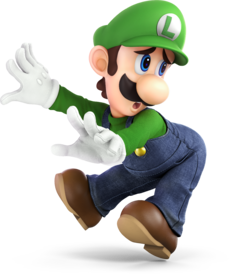
Luigi (ルイージ / Ruīji) is the deuteragonist of the Mario franchise and the central protagonist of the Luigi’s Mansion series, as well as Mario is Missing. He is an Italian plumber living in the Mushroom Kingdom, and the younger—yet noticeably taller—fraternal twin brother of Mario.

Luigi made his first appearance in the original Mario Bros. arcade game, where he was introduced as a palette swap of Mario—a common technical solution at the time. Despite those modest beginnings, he has since evolved into a fully realized character with a distinct personality, identity, and fan following. Visually, Luigi is defined by his green attire, slimmer build, and taller frame, setting him apart from Mario’s shorter, stockier silhouette.

Personality and Character Traits

Luigi’s personality is where he truly distinguishes himself.

While Mario is widely celebrated as the fearless hero of the Mushroom Kingdom, Luigi often exists just outside that spotlight. Within the in-universe world, he is less recognized and frequently overlooked, a running theme that has been explored across multiple titles—particularly in the Paper Mario and Mario & Luigi series.

He is commonly portrayed as:

  • Clumsy and accident-prone

  • Easily frightened and hesitant

  • Self-doubting, especially when compared to Mario

However, this is only part of the picture.

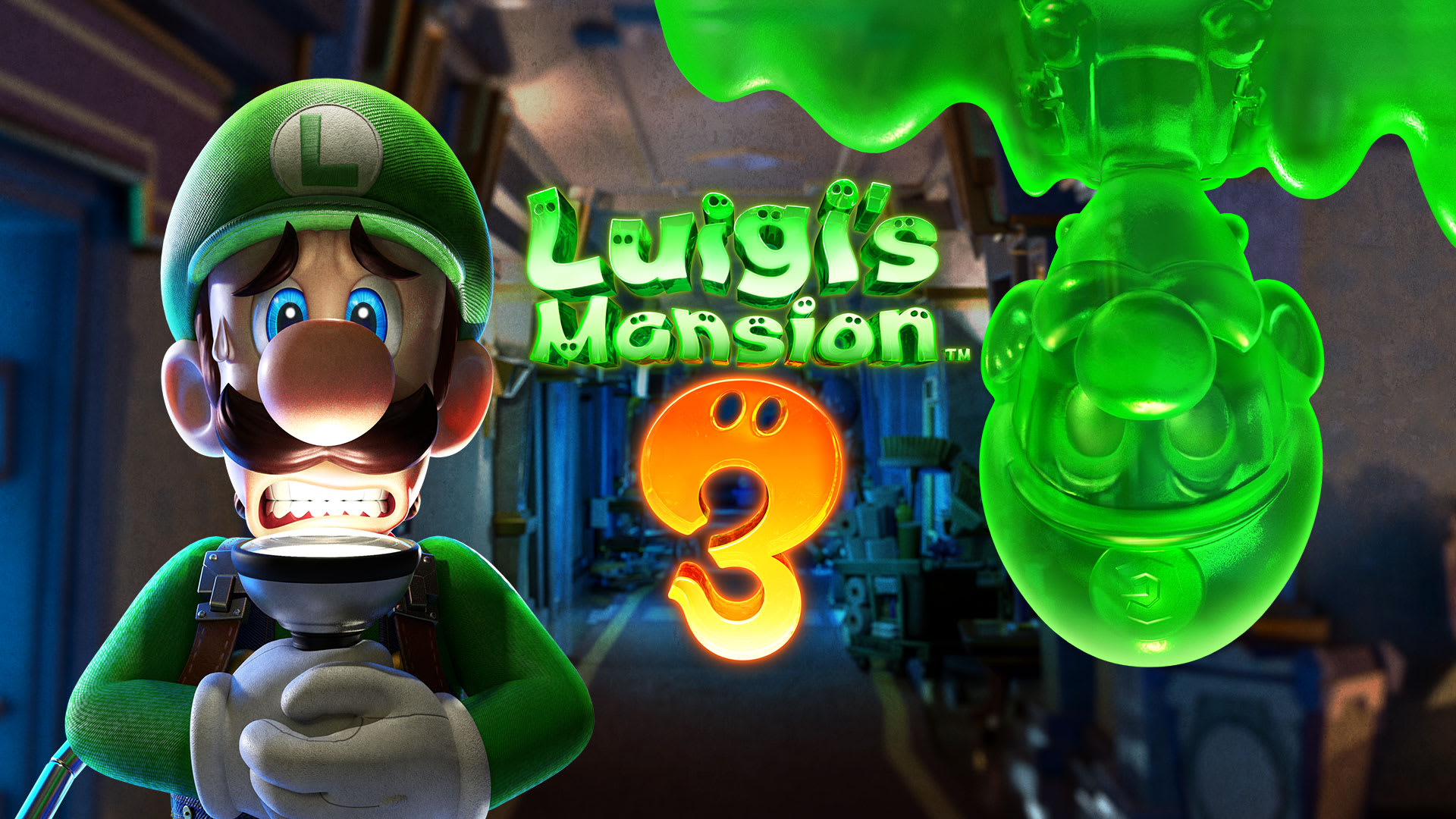
What makes Luigi compelling is his ability to rise above that fear. Time and again, when situations truly matter—especially when loved ones are in danger—he pushes past his anxiety and acts with genuine courage. This contrast between fear and bravery has become one of his defining traits, particularly highlighted in the Luigi’s Mansion series, where he faces ghosts despite being visibly terrified.


Overall Appearance

Luigi’s appearance is instantly recognizable, yet subtly distinct from his brother’s—built around contrast rather than imitation.

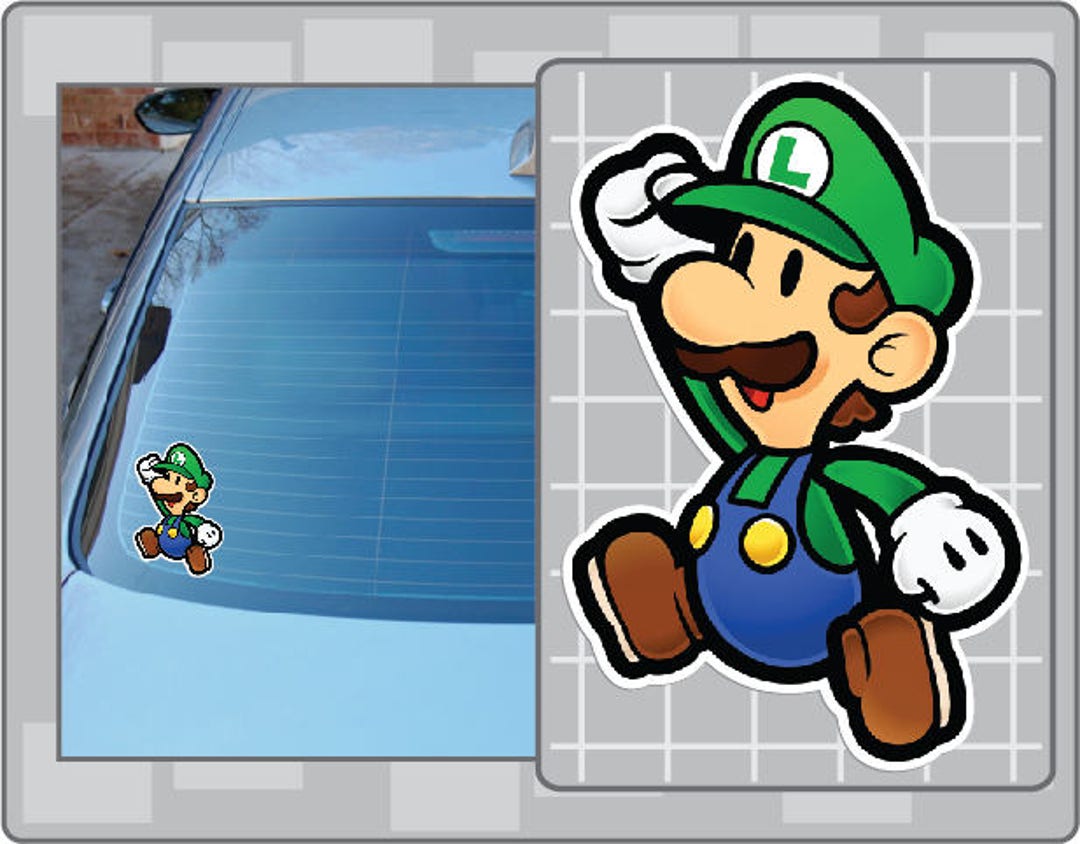
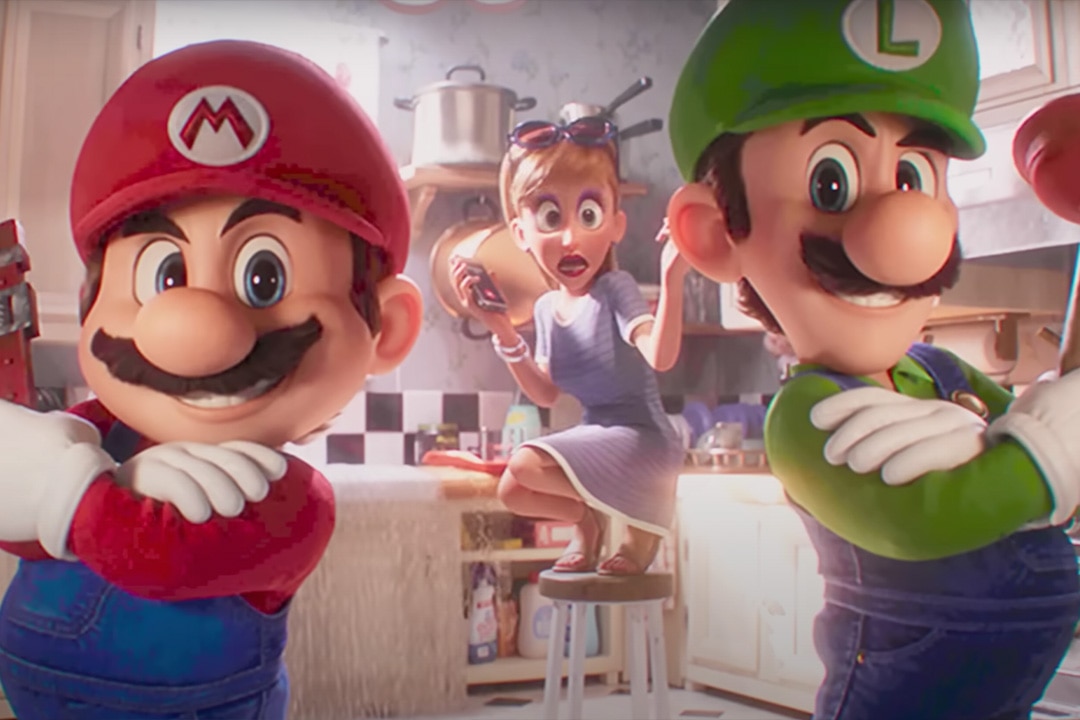
He is typically seen wearing his signature green cap marked with an “L”, paired with a long-sleeved green shirt layered beneath dark blue overalls. His outfit is completed with white gloves and dark brown shoes, maintaining the classic plumber aesthetic shared with Mario, but with his own visual identity.

One lesser-known detail, revealed in the Mario & Luigi series, is that Luigi wears red-and-white striped socks, reminiscent of a candy cane—an element that adds a touch of personality beneath the standard uniform.

Physically, Luigi stands out due to his taller and slimmer build, especially when placed next to Mario. He has:

  • Fair skin

  • An elongated (oblong) face structure

  • Short brown hair

  • A dark brown mustache

  • Bright blue eyes, which contribute to his expressive and often anxious demeanor


Evolution of His Design

Luigi Palette Swap Breakdown – @furballcan on Tumblr

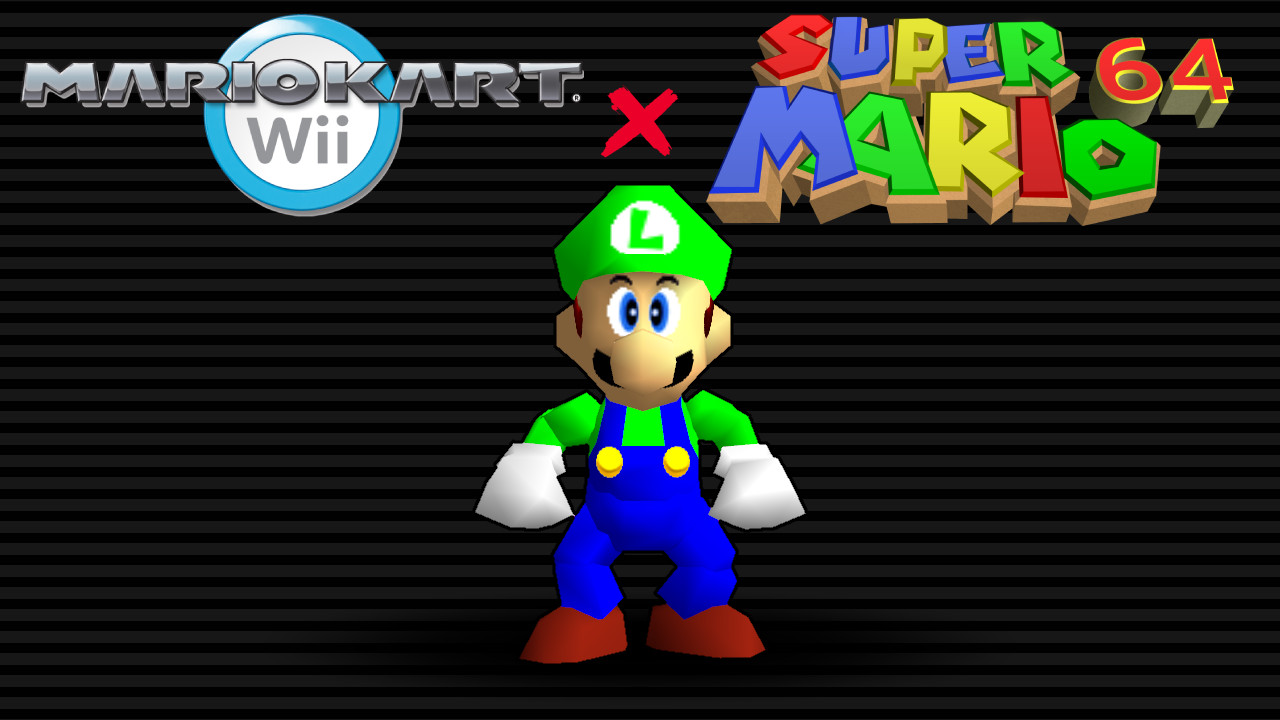
In his earliest appearances, Luigi was not originally designed as a fully separate character. Due to technical limitations in early arcade and NES titles, he was essentially a palette swap of Mario—identical in model and animation, distinguished only by his green color scheme.

Comparison of the sprites used when Luigi takes a photo in Mario is  Missing. Left: SNES version, right: PC version.

As the franchise evolved, Nintendo gradually redefined Luigi by:

  • Giving him a taller, leaner frame

  • Adjusting his facial structure

  • Emphasizing his unique personality traits

This shift transformed Luigi from a secondary visual variant into a fully distinct character with his own identity, both visually and narratively.


Alternate Outfit Appearances

https://images.gamebanana.com/img/ss/mods/5740fbf22f845.jpg

https://play.nintendo.com/images/PLAY-5165-MGSR-poll01_1x1-MarioLuigi_v01.6ef5f3152e16d0ba.jpg

In select titles, Luigi’s appearance deviates from his traditional look. Notably:

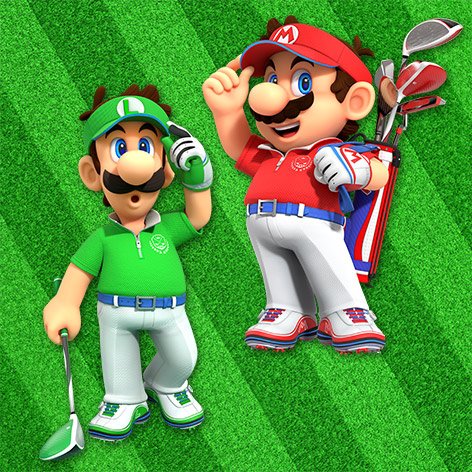
  • In Family Computer Golf: U.S. Course and NES Open Tournament Golf, Luigi wears a unique alternate outfit consisting of:

    • Green-and-white striped overalls and cap

    • A blue shirt decorated with white stars

This variation stands out as one of the more experimental designs in his visual history, showcasing Nintendo’s early attempts to diversify character presentation beyond the standard plumber attire.


Core Personality Overview


https://wallpapers.com/images/hd/shocked-luigi-expression-ybumeomdfpwewl78.jpg
https://assets.nintendo.com/image/upload/q_auto/f_auto/store/software/switch/70010000001620/2b166fb3197dacfde1d939acd6a976b9fbe3b1a32c54f9f0d2c8d23efb22412d

Luigi is consistently portrayed as timid, shy, nervous, and self-conscious, with a strong tendency toward fear—particularly in unfamiliar or dangerous situations. Across many of his appearances, especially from Luigi’s Mansion onward, he embodies a character who is easily frightened and often hesitant, sometimes even appearing clumsy or unsure of himself.

Despite these traits, Luigi is far from weak. What defines him is his ability to push through fear when it matters most. Time and again—most notably in the Luigi’s Mansion series—he takes on terrifying challenges to rescue others, including Mario, demonstrating a quiet but undeniable form of heroism.

In Super Mario 64 DS, a sign in Big Boo’s Haunt even describes Luigi as “wispy,” subtly reinforcing his ghost-like, anxious demeanor.


Fear and Phasmophobia

https://mario.wiki.gallery/images/thumb/3/33/Poltergust_5000_%28alt%29_-_Luigi%27s_Mansion_Dark_Moon.png/1200px-Poltergust_5000_%28alt%29_-_Luigi%27s_Mansion_Dark_Moon.png
https://64.media.tumblr.com/97de75a3a2ee1e2e64ef983c626e3765/tumblr_pofsa6xaAj1x908lio1_1280.jpg
https://static.invenglobal.com/upload/image/2018/08/08/r1533738661829801.png

One of Luigi’s most defining characteristics is his phasmophobia (fear of ghosts), first prominently explored in Luigi’s Mansion. His reactions to supernatural threats—shaking, cowering, or hesitating—are a recurring element of his personality.

  • In Super Mario Galaxy, Luigi visibly recoils at the sight of Boo Mario

  • In Super Smash Bros. Ultimate (Simon Belmont reveal trailer), he is shown panicking inside Dracula’s Castle, attempting to fend off monsters using:

    • The Poltergust 5000’s flashlight

    • A toilet plunger, adding a layer of humor to his fear

However, this fear is not static. The endings of Luigi’s Mansion: Dark Moon and Luigi’s Mansion 3 suggest that Luigi:

  • Begins to overcome his fear, or

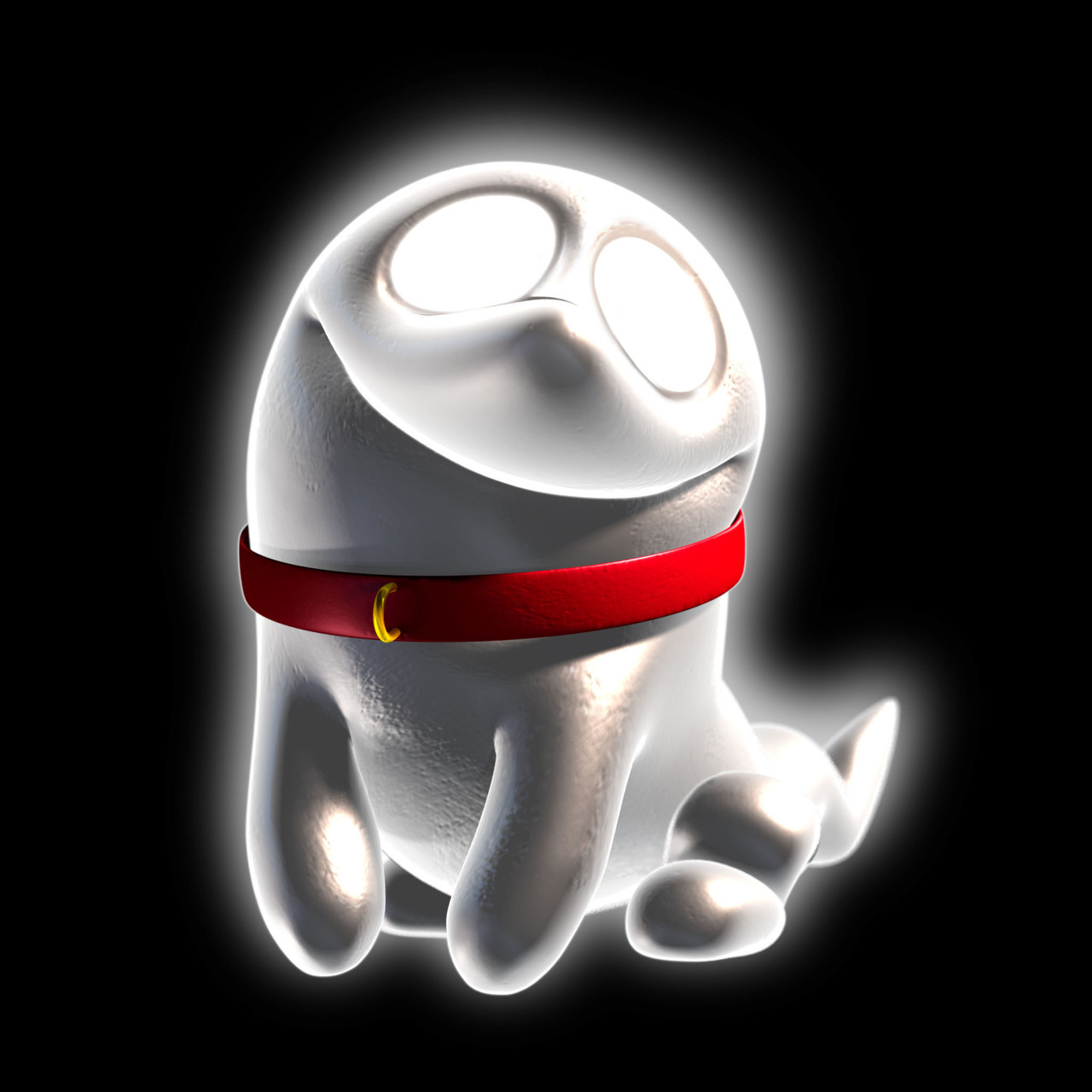
  • At least becomes more comfortable around certain ghosts, such as Polterpups and the friendly spirits of Evershade Valley and The Last Resort


Sensitivity and Emotional Traits

Luigi is also notably emotionally sensitive, particularly when it comes to personal remarks. For example:

  • He reacts strongly to insults, especially those targeting his mustache, as seen during his encounter with Dimentio

This sensitivity ties into his broader personality—Luigi is deeply aware of how others perceive him, which influences both his insecurities and his motivations.


Living in Mario’s Shadow

https://www.nintendoreporters.com/storage/files/the-enduring-charm-of-the-year-of-luigi-and-hopes-for-future-character-spotlights.jpeg
https://images-wixmp-ed30a86b8c4ca887773594c2.wixmp.com/f/77546e83-4a68-4264-99f7-6bdfc8f0eaf8/d8yg2d4-fa065c51-b4aa-491c-89e1-ffad9423abfb.png/v1/fill/w_1024%2Ch_1026%2Cq_80%2Cstrp/left_behind_again_by_fawfulthegreat64_d8yg2d4-fullview.jpg?token=eyJ0eXAiOiJKV1QiLCJhbGciOiJIUzI1NiJ9.eyJzdWIiOiJ1cm46YXBwOjdlMGQxODg5ODIyNjQzNzNhNWYwZDQxNWVhMGQyNmUwIiwiaXNzIjoidXJuOmFwcDo3ZTBkMTg4OTgyMjY0MzczYTVmMGQ0MTVlYTBkMjZlMCIsIm9iaiI6W1t7ImhlaWdodCI6Ijw9MTAyNiIsInBhdGgiOiIvZi83NzU0NmU4My00YTY4LTQyNjQtOTlmNy02YmRmYzhmMGVhZjgvZDh5ZzJkNC1mYTA2NWM1MS1iNGFhLTQ5MWMtODllMS1mZmFkOTQyM2FiZmIucG5nIiwid2lkdGgiOiI8PTEwMjQifV1dLCJhdWQiOlsidXJuOnNlcnZpY2U6aW1hZ2Uub3BlcmF0aW9ucyJdfQ.j3Z2e5cgK5qN1ZwMv7TqrqO30L0Y3XRwjV2GmKT4Qe4
https://ssb.wiki.gallery/images/thumb/d/d2/NegativeZone.jpg/300px-NegativeZone.jpg

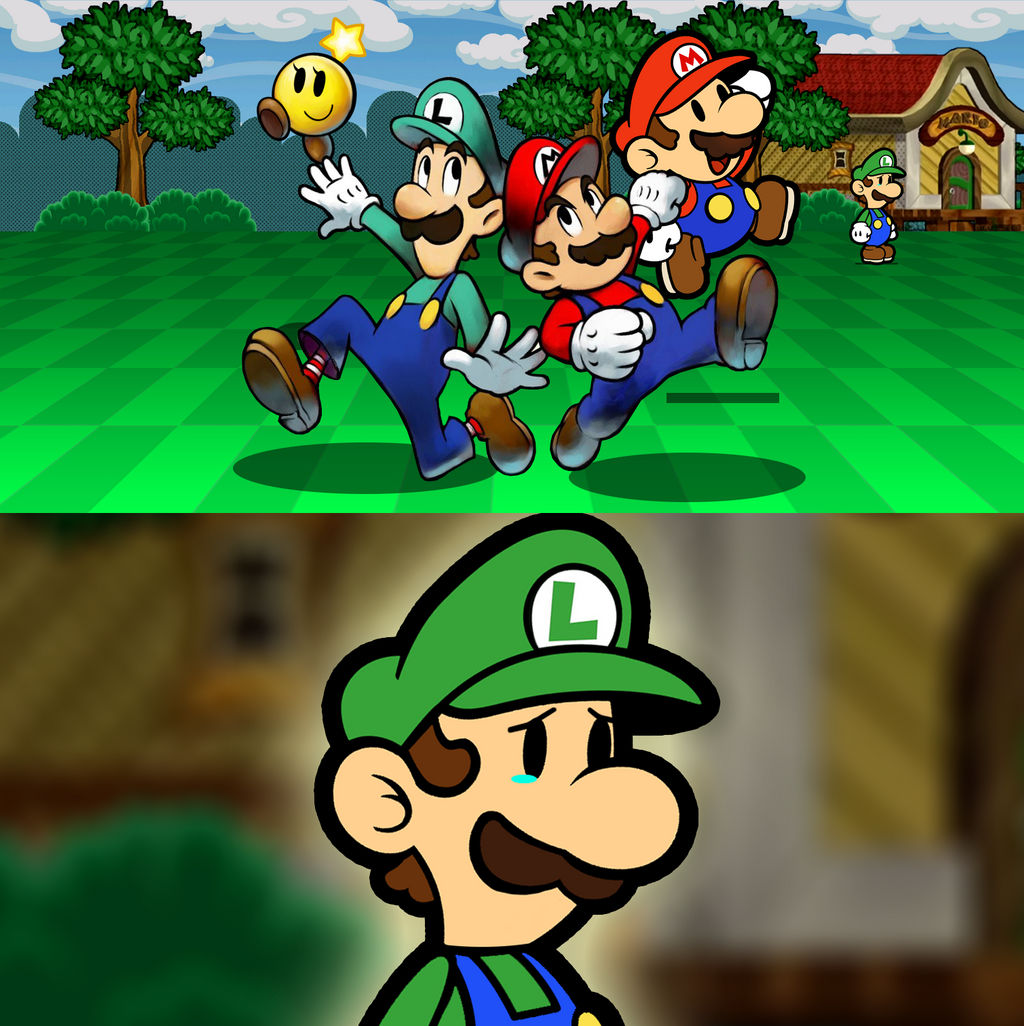
A recurring theme in Luigi’s characterization is his position as “the second brother.”

  • In Mario & Luigi: Superstar Saga, even Bowser and his army sometimes fail to remember Luigi’s name

  • In the Paper Mario series, this is played for humor, with Luigi:

    • Complaining about being overlooked

    • Training for his own adventure that rarely materializes

  • His reactions are often subtle—awkward pauses (“…”) or exaggerated physical responses (face-faults)—but they reflect a deeper desire for recognition

In Super Smash Bros.:

  • Luigi is described as the “eternal understudy”

  • His demeanor is more muted and awkward, with taunts like bashfully kicking the ground

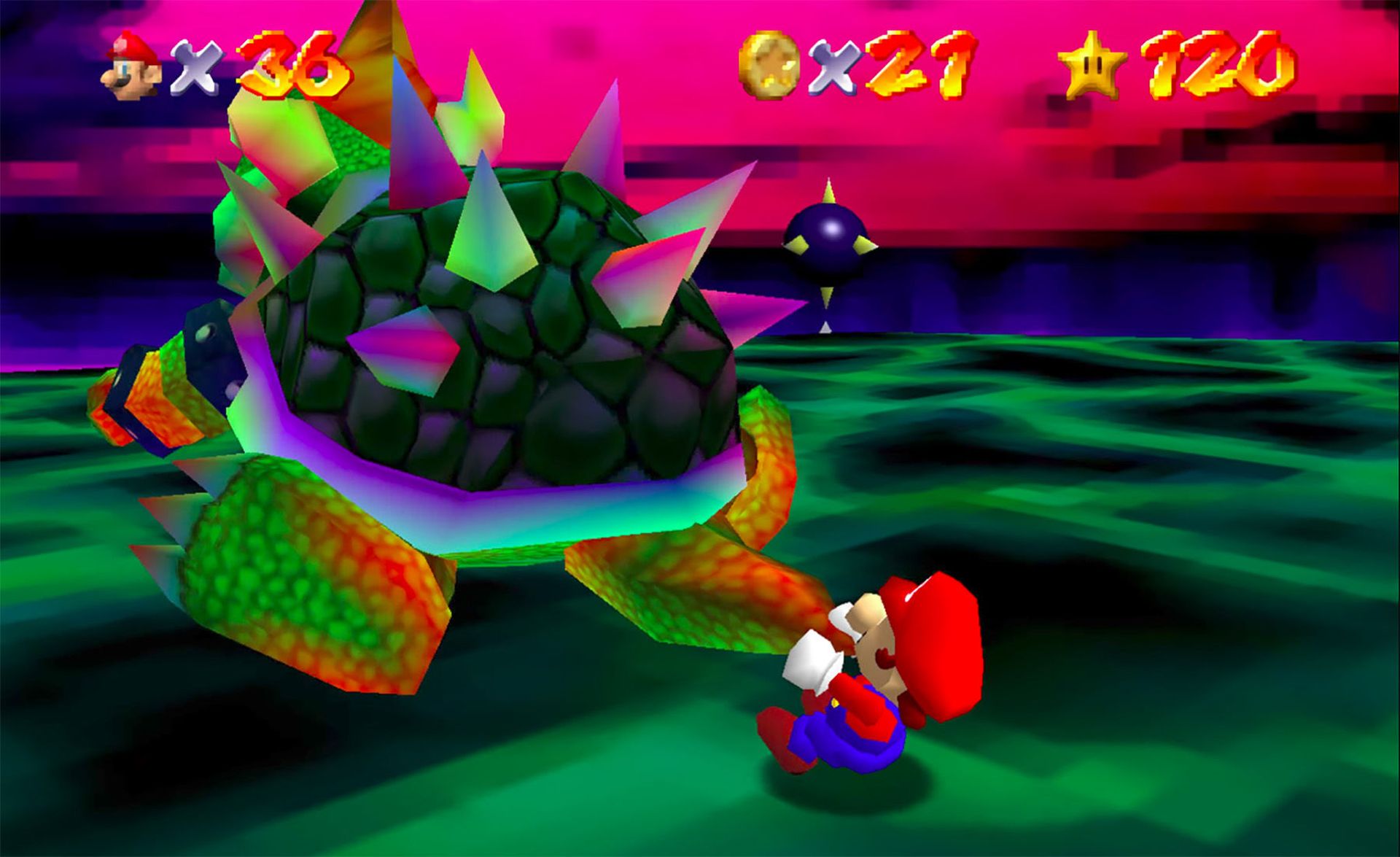
  • His Final Smash, Negative Zone, symbolically reflects the emotional toll of living in Mario’s shadow

Even in dialogue:

  • Crowds cheer less enthusiastically for him

  • Announcers sound surprised when calling his name

  • Characters like Colonel (in Solid Snake’s codec) refer to him as the “king of second bananas”

Despite this, creator Masahiro Sakurai clarified that Luigi was intended to be “everyone’s favorite man in green,” not merely a lesser counterpart.


Humor and Childlike Traits

https://ssb.wiki.gallery/images/thumb/a/a2/LuigiDashAttackSSBU.gif/1200px-LuigiDashAttackSSBU.gif
https://images.steamusercontent.com/ugc/23968940687129363/DF5D7A0C0B34C1D4D1BCF9D137F8D3475126EE78/?ima=fit&imcolor=%23000000&imh=358&impolicy=Letterbox&imw=637&letterbox=true
https://ssb.wiki.gallery/images/thumb/b/bb/Luigi_SSBU.png/250px-Luigi_SSBU.png

Luigi’s personality also includes a strong comedic and childlike dimension, particularly visible in the Super Smash Bros. series:

  • His dash attack features panicked arm flailing

  • His neutral combo ends with a comical hip strike

  • His idle animations include:

    • Nervously scratching his head

    • Pulling his nose, then reacting in pain

  • His victory poses range from:

    • Exhausted breathing

    • Collapsing flat on the ground

    • Playfully mimicking finger guns while saying “Bang, bang!”

These traits reinforce Luigi’s role as both a comic relief character and a relatable underdog.


Habits, Interests, and Values

https://mediaproxy.tvtropes.org/width/1200/https%3A//static.tvtropes.org/pmwiki/pub/images/luigis_mansion_3ds_3.png
https://mario.wiki.gallery/images/b/b2/LaundryRoom.png
https://pbs.twimg.com/media/GiO85IJWEAAetzT.jpg

Insights from Luigi’s Mansion reveal additional layers to his personality:

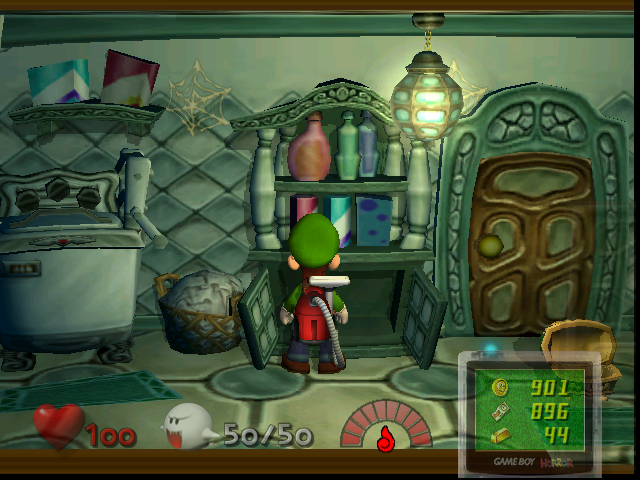
  • He shows signs of being a neat freak, often commenting on dust and cleanliness

  • He prefers to hand-wash his cap, unlike Mario who uses a washing machine

  • He has an interest in art, though he is critical of King Boo’s eerie decorations

  • He demonstrates strong empathy, reacting negatively to:

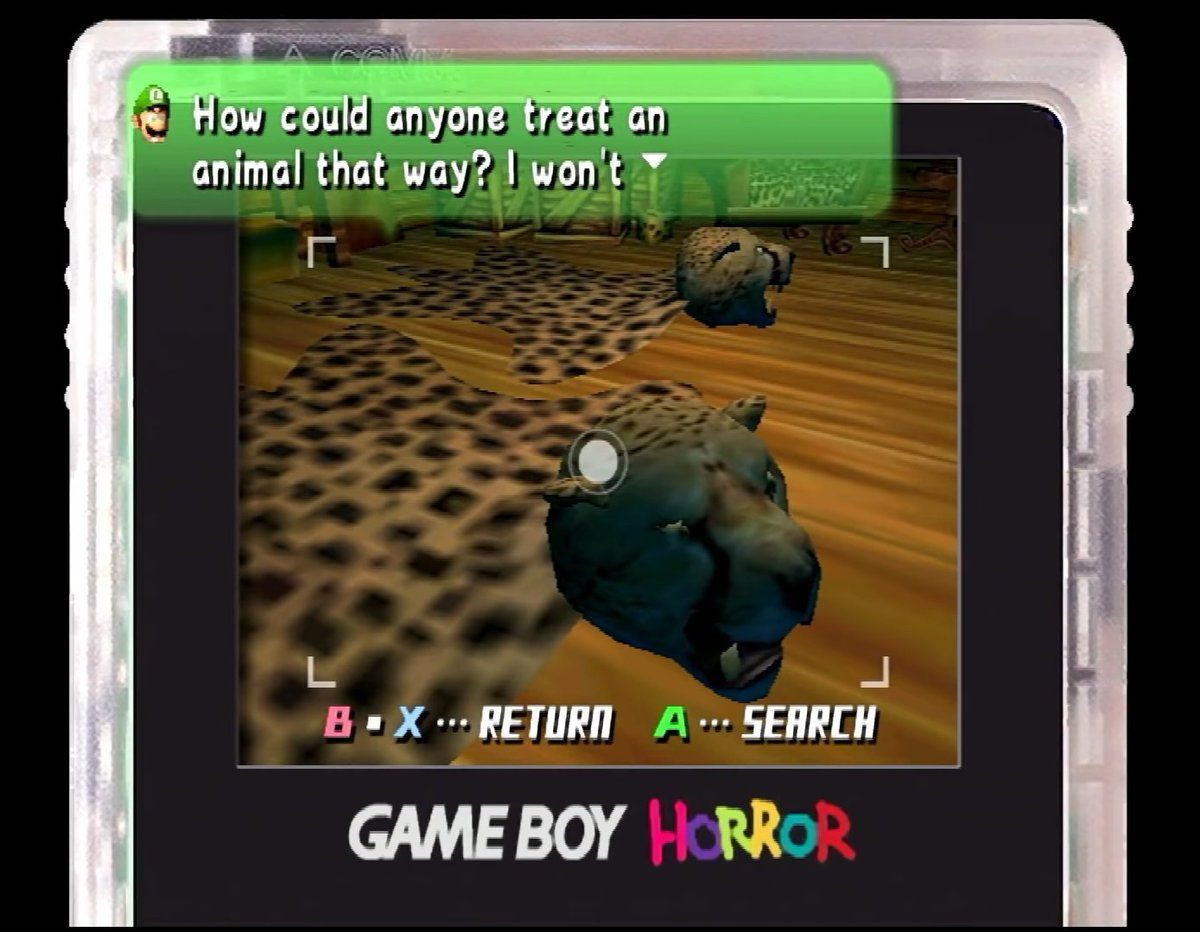
    • Animal cruelty (e.g., mounted heads and animal-skin decor in the Safari Room)

These details highlight Luigi as someone who is thoughtful, observant, and morally grounded.


Communication Style

  • Like Mario, Luigi speaks with a noticeable Italian accent

  • Unlike Mario, he is more expressive and conversational, especially in the Paper Mario series

However, in certain games:

  • In Luigi’s Mansion, his dialogue is often limited to ellipses and question marks

  • In the Mario & Luigi series, both brothers communicate through stylized gibberish, understood contextually by other characters


Leadership and Refinement

Luigi also displays moments of refinement and leadership:

  • In Mario Superstar Baseball, he leads a team known as the Luigi Gentlemen, reflecting a more composed and dignified side


Core Nature

Despite his fears and insecurities, Luigi’s fundamental personality remains consistent:

  • Kind and compassionate

  • Optimistic and cheerful

  • Supportive and loyal

  • Morally good at heart


Voice Identity and Signature Style


https://images.gamebanana.com/img/ss/mods/66563158d705c.jpg
https://i1.sndcdn.com/artworks-000480323265-4supzt-t500x500.jpg

Luigi’s way of speaking has evolved significantly over the years, gradually shaping one of the most recognizable voices in gaming. His dialogue often leans on expressive catchphrases and energetic exclamations, giving him a personality that feels both playful and slightly anxious.

A line that perfectly captures his tone is:
“I'm-a practice, but nobody play with Luigi. Will you play with me?”

In modern titles, Luigi is known for iconic phrases such as:

  • “Let’s-a go!”

  • “Yahoo!”

  • “Oh yeah!”

  • “Mamma mia!”

  • “It’s-a me, Luigi!” (a variation of Mario’s famous introduction)

While these lines are often short, they convey a lot—enthusiasm, nervous energy, and a desire to be included.

Voice Actors and Evolution

Luigi’s primary voice actor in modern games is Charles Martinet, who began voicing him starting with the English version of Mario Kart 64. Martinet also voices several other major characters in the franchise, including Mario himself.

However, Luigi’s voice history includes a few variations:

  • In the Japanese version of Mario Kart 64, Luigi was voiced by Julien Bardakoff, who also voiced him in Mario Party and Mario Party 2

  • Voice clips from Mario Kart 64 were later reused in Mario Kart: Super Circuit

Early Variations in Voice

Although Luigi gained a distinct voice with Mario Kart 64, it wasn’t immediately consistent:

  • In the first two Super Smash Bros. titles, Luigi uses higher-pitched versions of Mario’s voice clips

  • His Luigi Cyclone voice clip is directly lifted from Mario’s audio

  • In Luigi’s Mansion, his voice is unique but still higher in pitch and closer to Mario’s tone

Over time, Luigi’s voice settled into a distinct identity, typically:

  • Slightly deeper and softer than Mario’s

  • More expressive, often reflecting his nervous personality

In later Super Smash Bros. titles, both Mario and Luigi are given noticeably deeper voice tones, aligning with modern sound design.


Pre-Voice Acting Era and Early Appearances

https://upload.wikimedia.org/wikipedia/en/thumb/7/7a/Danny_Wells_playing_the_live-action_role_of_Luigi.jpg/250px-Danny_Wells_playing_the_live-action_role_of_Luigi.jpg
https://m.media-amazon.com/images/M/MV5BZDQ0ZGY5ODEtZTQwMi00YTkxLWI2MTctM2YxMTQ4YWM0ZGJlXkEyXkFqcGc%40._V1_FMjpg_UX1000_.jpg
https://upload.wikimedia.org/wikipedia/en/b/be/Luigi_by_Shigehisa_Nakaue.png

Before voice acting became standard, Luigi—like Mario—was largely silent, with little to no dialogue in early games.

His earliest known voiced appearances include:

  • The 1986 Japanese anime film Super Mario Bros.: Peach-hime Kyūshutsu Dai Sakusen!

  • The Amada Anime Series: Super Mario Bros. (1987–1989)

These performances were Japanese-only, as the media did not release internationally.

Luigi’s first English-speaking role came in The Super Mario Bros. Super Show!, where:

  • He was voiced by Danny Wells

  • He spoke with a Brooklyn accent, reflecting the brothers’ original New York setting

This portrayal continued in:

  • The Adventures of Super Mario Bros. 3

  • Super Mario World animated series

In these later shows, Luigi was voiced by Tony Rosato, whose performance was:

  • Higher-pitched

  • Slightly raspier than Wells’ version

In gaming, Mario is Missing! (PC version) marked Luigi’s first voice-acted appearance, where he retained that Brooklyn-style accent.


Dialogue Across Game Series

Luigi’s speaking style varies depending on the game:

  • In most mainline Mario titles, he communicates through short vocal phrases and reactions

  • In Mario Strikers Charged, he delivers more complete lines, such as:

    • “Thank you! Thank you so much!” when scoring

  • In Super Mario Galaxy and Super Mario Galaxy 2, Luigi breaks the fourth wall slightly by saying:

    • “Thank you for playing my game!” upon completion

  • In the Paper Mario series:

    • Luigi is mostly silent vocally

    • His dialogue is presented through text

    • In early entries, he speaks standard English without an accent

    • In Paper Mario: Color Splash, he adopts a noticeable Italian accent

  • In the Mario & Luigi series:

    • Luigi communicates through stylized, unintelligible gibberish

    • Other characters within the game world are able to understand him contextually


Luigi’s voice is more than just sound—it’s an extension of his personality. From early silence to exaggerated Brooklyn accents, and eventually to Charles Martinet’s now-iconic portrayal, Luigi’s speech has evolved into something uniquely his own.

Whether he’s nervously calling out, celebrating a victory, or simply trying to be heard, Luigi’s voice captures exactly who he is: a character full of heart, hesitation, and just enough courage to speak up when it counts.


Luigi — Powers and Abilities (Professional, Humanized Rewrite)


Core Power Set

https://img.favpng.com/20/14/16/luigi-jumping-green-character-taSfhyLc.jpg
https://images.squarespace-cdn.com/content/v1/51b3dc8ee4b051b96ceb10de/1553976652803-0R1KK9XQAADZ30ASZLTJ/image-asset.jpeg
https://64.media.tumblr.com/858f4d92572bcc5a1612b2cabd53edc3/375a1cd554242cd5-4c/s500x750/603af830d76a095e38b622585d10ba14dd88dd03.gifv

Luigi may not always carry the same reputation as Mario, but when it comes to raw capability, he is far more formidable than he’s often given credit for. Across multiple games, he has demonstrated a diverse set of superhuman physical abilities, elemental powers, and specialized techniques, many of which rival—or in certain cases surpass—his brother’s.


Physical Abilities

Superhuman Strength

Luigi possesses considerable strength, capable of lifting and pressing objects far heavier than his own body weight, though typically portrayed as slightly less powerful than Mario.

  • In Super Mario 64 DS, Luigi is able to lift King Bob-omb

  • During battles with Bowser, he can:

    • Grab Bowser by the tail

    • Spin him rapidly

    • Launch him across arenas

While not as forceful as Mario or Wario in raw output, Luigi compensates with greater rotational speed, allowing him to spin Bowser faster and often over longer distances.

His strength also extends into his lower body, enabling his iconic jumping abilities.


Superhuman Jumping Ability

Jumping is Luigi’s defining physical skill.

  • He can leap up to two stories high

  • His technique—often referred to as the “Jump Jump”—is exceptionally refined

  • He is widely considered the best jumper in the Mushroom Kingdom, even surpassing Mario

This ability is often emphasized in gameplay through his higher vertical reach and floatier descent, making him uniquely suited for precision platforming.


Superhuman Durability

Luigi is capable of enduring extreme physical punishment, including:

  • Falling from significant heights

  • Direct attacks from superhuman opponents

  • Explosions and impalement

  • Exposure to harsh environments such as:

    • Volcanoes

    • Frozen tundras

He can also withstand elemental damage, including fire, electricity, and ice, with minimal long-term impact.


Superhuman Stamina

Luigi demonstrates the ability to maintain physical exertion over extended periods, suggesting near-limitless stamina during gameplay scenarios.


Superhuman Speed

https://i.ebayimg.com/images/g/hokAAOSwzX9kdwga/s-l400.jpg
https://64.media.tumblr.com/858f4d92572bcc5a1612b2cabd53edc3/375a1cd554242cd5-4c/s500x750/603af830d76a095e38b622585d10ba14dd88dd03.gifv
https://i.etsystatic.com/6126255/r/il/a8dc72/1280622701/il_1080xN.1280622701_m87b.jpg
4

Luigi’s speed is highly versatile and occasionally exceeds Mario’s:

  • He can run up vertical surfaces (Super Mario World)

  • He is capable of running across water (Super Mario 64 DS)

  • In Super Paper Mario, he can reach supersonic speeds (faster than sound)

In several titles, Luigi is explicitly shown to be faster than Mario, particularly in straight-line movement.


Elemental and Special Powers

Pyrokinesis

Like Mario, Luigi can wield fire-based abilities.

  • In platformers (e.g., Super Mario Bros.), he requires a Fire Flower

  • In RPGs and Super Smash Bros., he can use fire without external power-ups

His fire manipulation includes launching fireballs and controlling flame-based attacks with notable proficiency.


Electrokinetic Ability — Thunderhand
https://mario.wiki.gallery/images/thumb/e/ed/M%26LSS%2BBM_Mario_%26_Luigi.png/1200px-M%26LSS%2BBM_Mario_%26_Luigi.png
https://www.digitaltrends.com/tachyon/2024/10/mario-and-luigi-brothership-bros-attack.jpg?resize=800%2C418
https://i.pinimg.com/736x/2f/43/14/2f4314418a7816cb13357348ecb5abfa.jpg
4

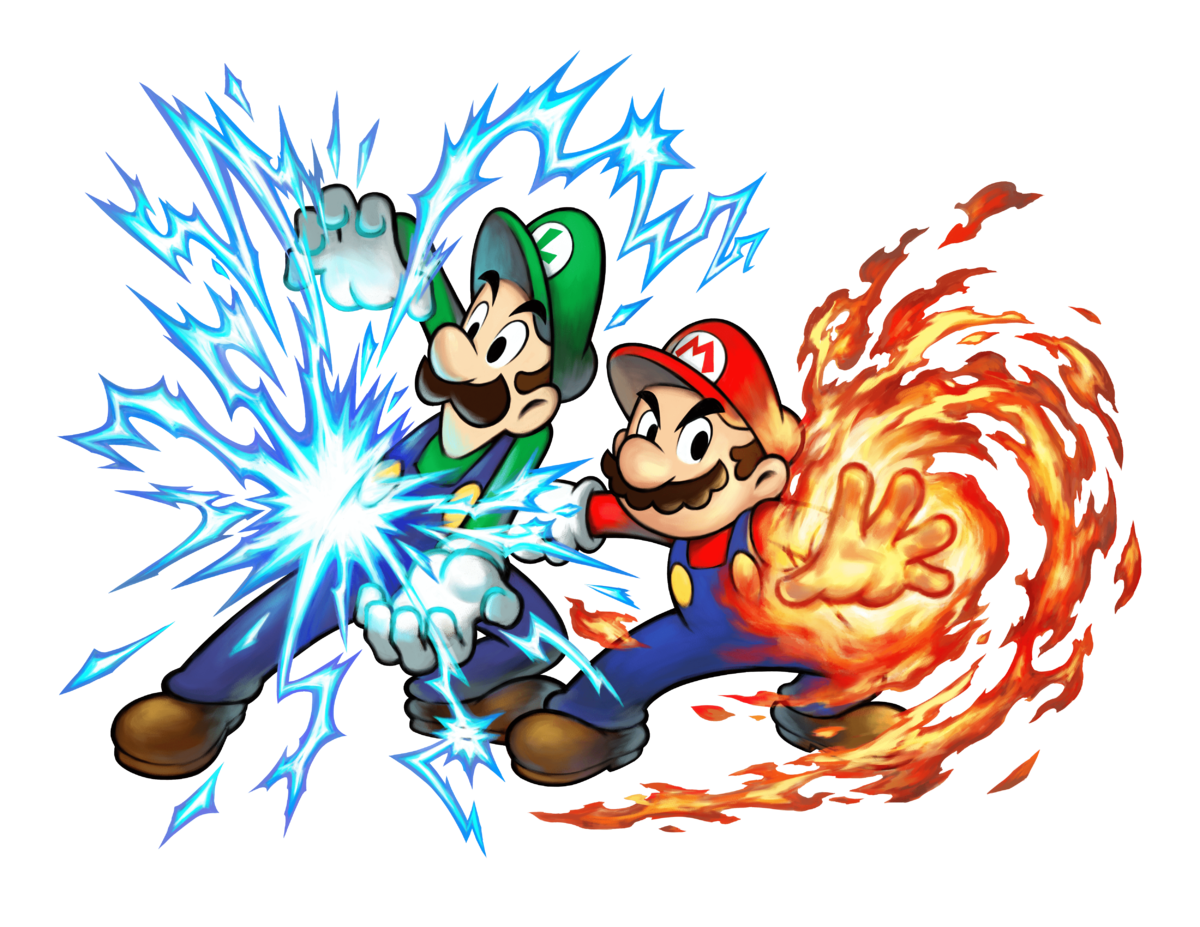
In Mario & Luigi: Superstar Saga, Luigi gains access to Thunderhand, a unique electrical ability that allows him to:

  • Generate lightning energy in his hands

  • Form it into a concentrated sphere

  • Deliver powerful electric attacks capable of severely damaging enemies

This ability is exclusive to that title and is one of Luigi’s most distinct elemental powers.


Negative Energy — “Negative Zone”

In Super Smash Bros. Brawl, Luigi’s Final Smash, Negative Zone, introduces a more abstract power:

  • He creates a field of negative energy while performing a rhythmic dance

  • Effects on opponents include:

    • Slowed movement

    • Induced sleep

    • Continuous damage

This ability is thematically tied to Luigi’s emotional state, particularly the frustration of living in Mario’s shadow.


Super Form

Like other characters in the series, Luigi can enhance himself using a Super Mushroom, transforming into Super Luigi, which increases his size and durability.


Combat and Skills

Master Combatant

Luigi possesses his own distinct fighting style. While rarely showcased in mainline titles, it becomes more apparent in:

  • Super Smash Bros. series

His combat approach blends awkwardness with unpredictability, often making his movements difficult to anticipate.


Indomitable Will

Despite his fearful nature, Luigi demonstrates a strong inner resolve:

  • He is free from corruption or evil influence

  • When supported by allies or driven by necessity, he can overcome fear and defeat powerful enemies


Leadership

Although typically second to Mario, Luigi has shown capable leadership qualities:

  • Acts effectively as a second-in-command

  • Maintains focus and determination when pursuing clear objectives


Expert Vehicular Driver

https://m.media-amazon.com/images/I/71xjAwIprLL._AC_UF1000%2C1000_QL80_.jpg
https://imgix.bustle.com/uploads/image/2025/9/24/aac2b6bd/mario-kart-world-luigi.jpg?crop=focalpoint&fit=crop&fm=jpg&fp-x=0.1742&fp-y=0.3209&h=1200&w=1200
https://m.media-amazon.com/images/I/71LX2aE%2B%2BFL._AC_UF894%2C1000_QL80_.jpg


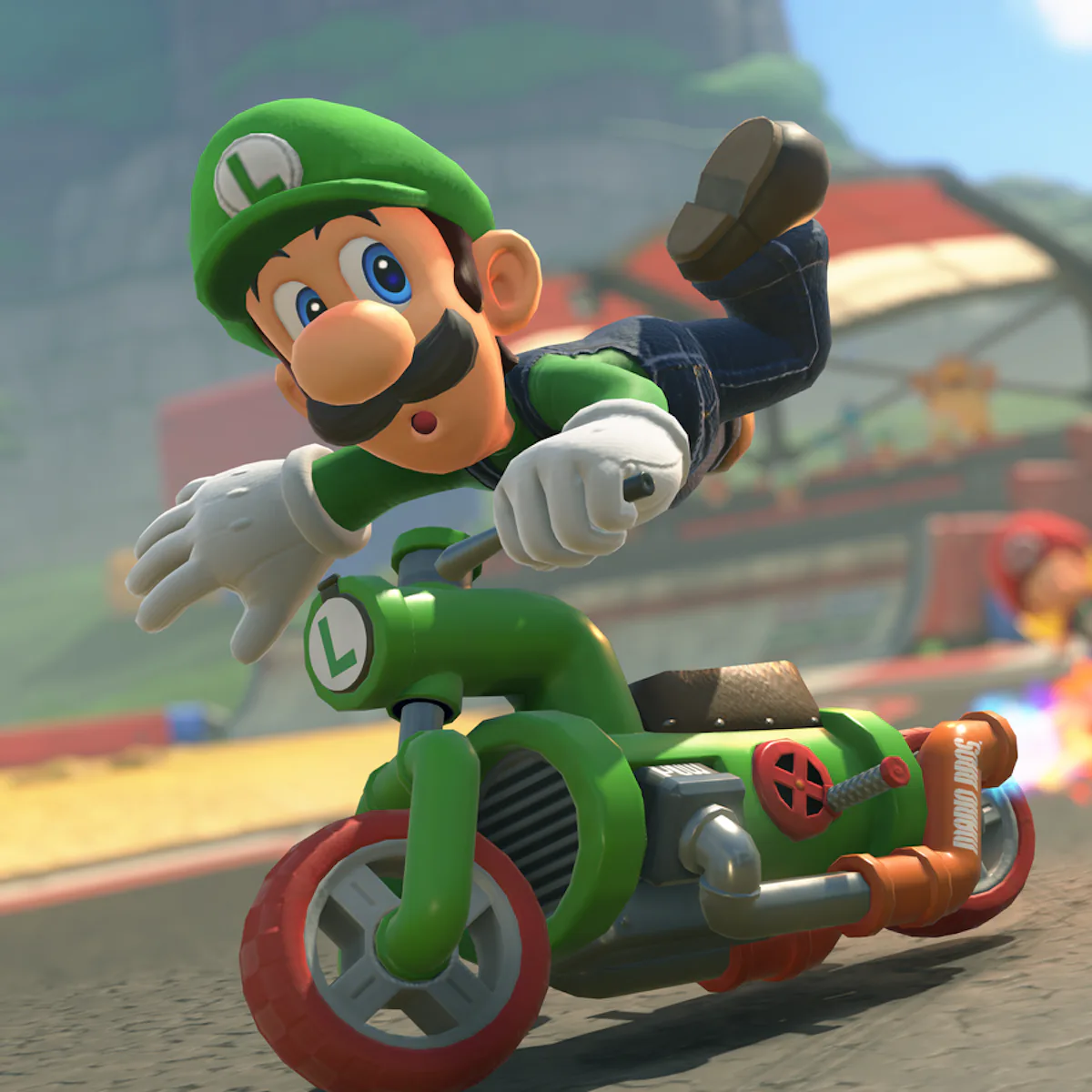
In the Mario Kart series, Luigi is a highly skilled driver:

  • Proficient with karts and motorbikes

  • Demonstrates strong control, balance, and competitive racing ability


Equipment — Poltergust Series
https://mario.wiki.gallery/images/2/20/LM_Poltergust_3000_model.png
https://mario.wiki.gallery/images/thumb/3/33/Poltergust_5000_%28alt%29_-_Luigi%27s_Mansion_Dark_Moon.png/1200px-Poltergust_5000_%28alt%29_-_Luigi%27s_Mansion_Dark_Moon.png
https://assets.nintendo.com/image/upload/q_auto/f_auto/store/software/switch/70010000001620/2b166fb3197dacfde1d939acd6a976b9fbe3b1a32c54f9f0d2c8d23efb22412d

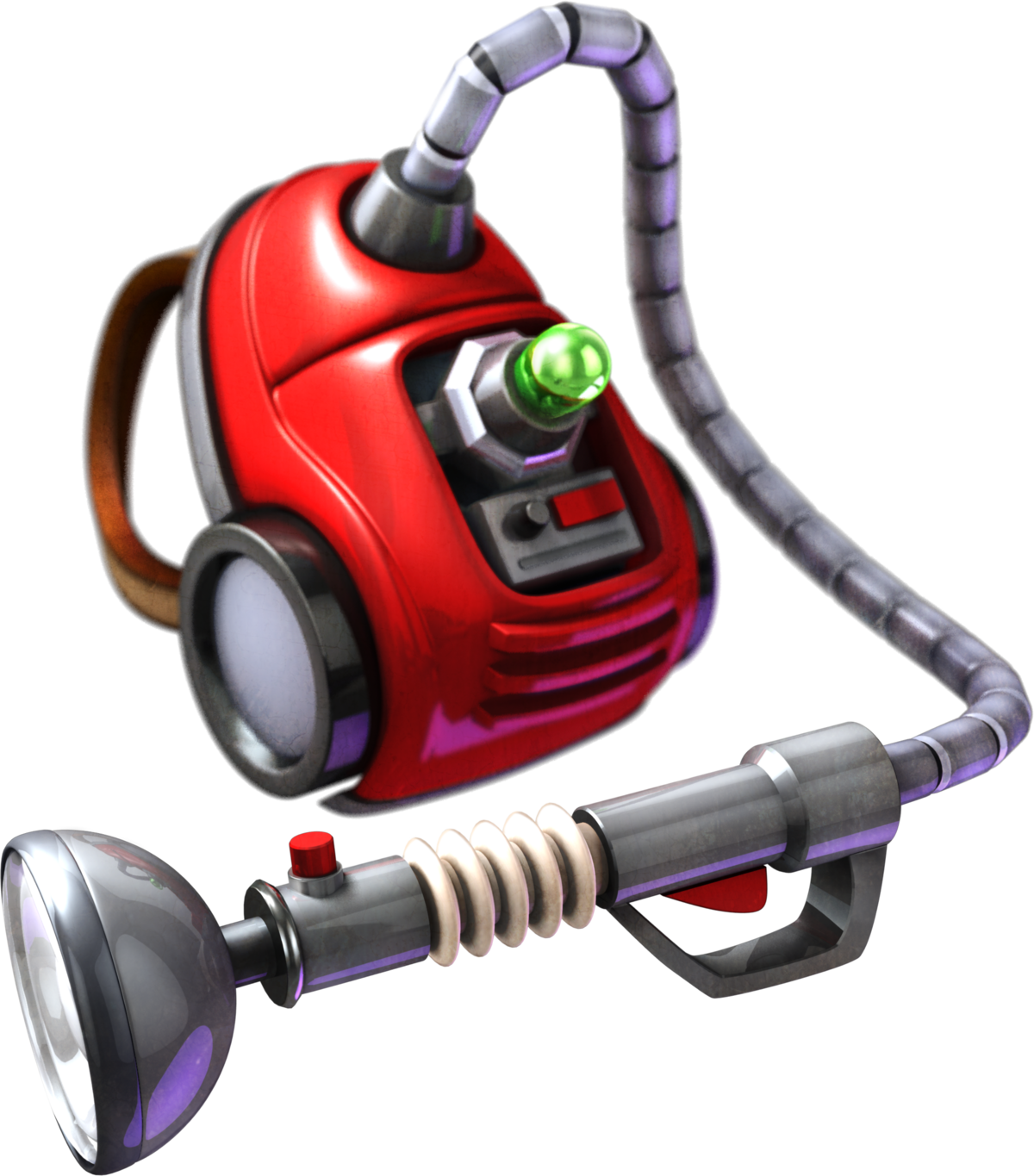
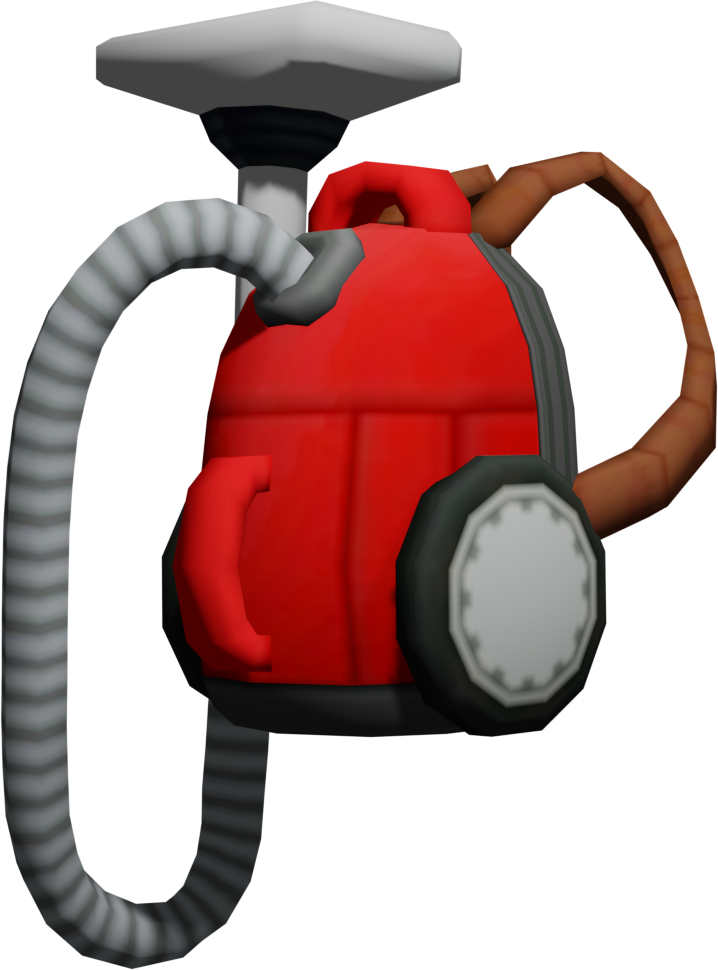
Luigi’s most iconic equipment comes from the Luigi’s Mansion series: the Poltergust vacuum devices, designed for ghost capture and environmental interaction.

Known Models:

  • Poltergust 3000

  • Super Poltergust 3001

  • Poltergust 4000

  • Poltergust 5000

  • Poltergust G-00

These devices allow Luigi to:

  • Capture ghosts

  • Manipulate objects

  • Solve environmental puzzles

  • Perform advanced techniques like suction, burst movement, and slam attacks

Luigi’s abilities are a blend of athletic excellence, elemental power, and emotional resilience. While often underestimated due to his timid nature, his skill set proves that he is far more than just “the other brother.”

In many ways, Luigi’s strength lies not just in what he can do—but in the fact that he does it despite being afraid.


Origins — The Stork Incident
https://mario.wiki.gallery/images/thumb/a/a7/Stork_and_Babies_Artwork_-_Yoshi%27s_New_Island.png/1200px-Stork_and_Babies_Artwork_-_Yoshi%27s_New_Island.png
https://64.media.tumblr.com/5667cd1e7dfd3674d68fab5456ddc375/4b5c7ab4e5ead040-da/s1280x1920/cc84e3630f1fd2d5a59c3cac1524de797143aeb5.pnj
https://mediaproxy.tvtropes.org/width/1200/https%3A//static.tvtropes.org/pmwiki/pub/images/babymario_yids.png
4

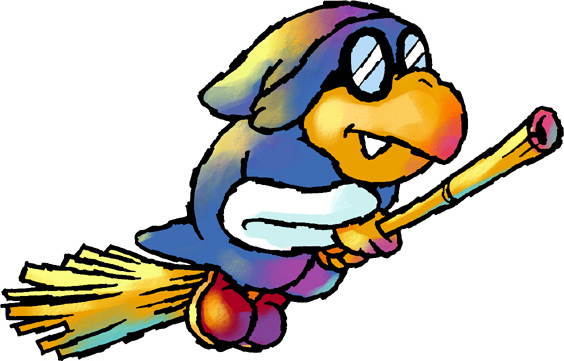
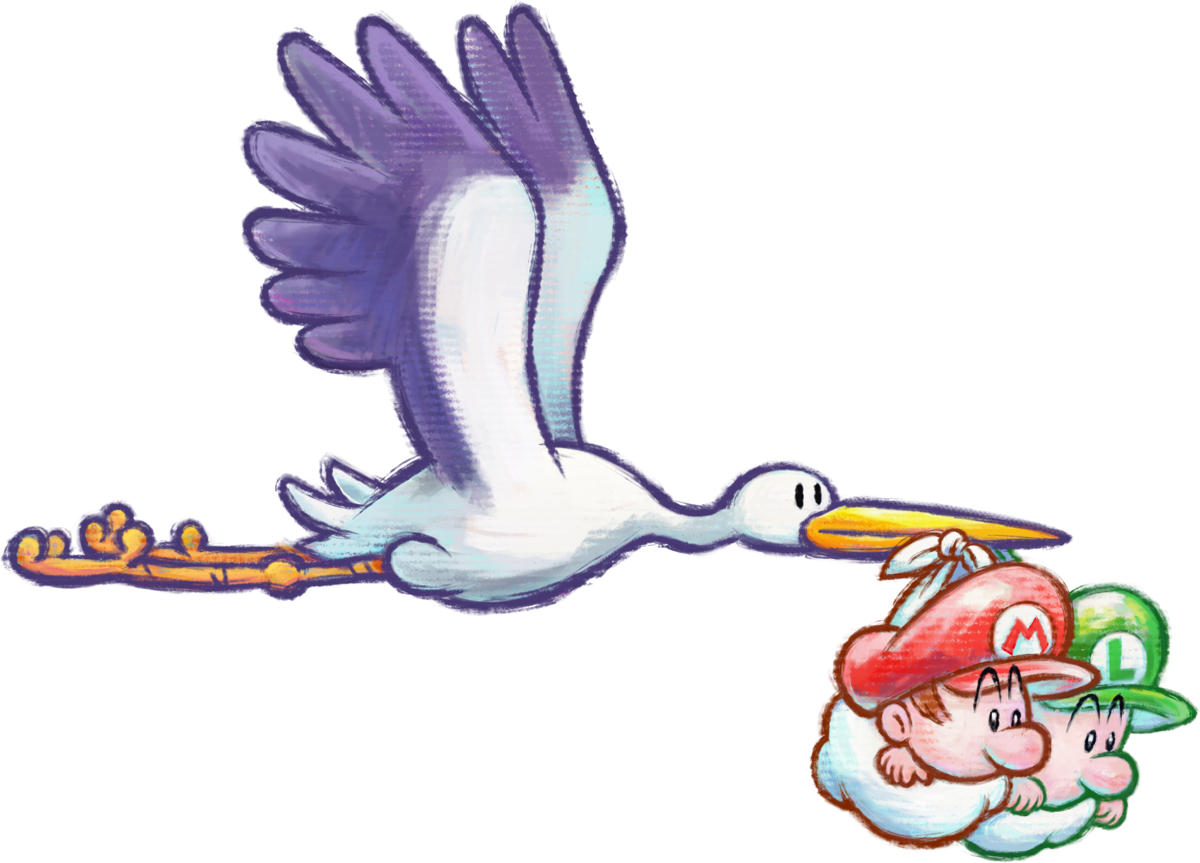
Luigi’s story begins alongside his brother Mario in one of the franchise’s most iconic origin tales. As infants, the two were being transported through the skies by a stork when Kamek, acting under orders, intervened. His Toadies managed to kidnap Baby Luigi along with the stork, while Mario slipped from their grasp and fell—landing safely on Yoshi.

From that moment, Luigi’s fate rested in the hands of others.

Yoshi, joined by his companions, took on the responsibility of reuniting the brothers. Their journey led them to Baby Bowser’s castle, where, after defeating him, they successfully rescued Luigi and freed the stork. With the threat resolved, the stork resumed its mission, ultimately delivering Mario and Luigi safely to their home, leaving them at the doorstep where their lives would begin.


Life as Plumbers
https://upload.wikimedia.org/wikipedia/en/4/4e/Mariobrothers.png
https://mario.wiki.gallery/images/thumb/1/1b/MK8_Asset_Model_Sidestepper.png/250px-MK8_Asset_Model_Sidestepper.png
https://www.syfy.com/sites/syfy/files/2023/02/smb.jpg
4

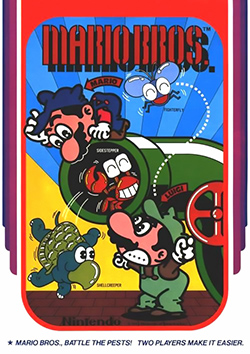
Before their adventures in fantastical kingdoms, Mario and Luigi lived as Italian plumbers in a 1930s-style New York City. Working beneath the streets, they dealt with unusual threats emerging from warp pipes, including:

  • Fighter Flies

  • Sidesteppers

  • Shellcreepers

Even in these early days, Luigi stood alongside Mario, facing danger in the most unlikely of places—the city’s underground infrastructure.


Arrival in the Mushroom Kingdom
https://ik.imagekit.io/storybird/images/3b47485a-0ff5-4d33-b9c2-2d2ba67ed562/3_545356342.webp?tr=q-80
https://pbs.twimg.com/media/EEJJIcAXoAA9Eih.jpg
https://www.sm128c.com/media/3ds/bowser-capture-peach.png
4

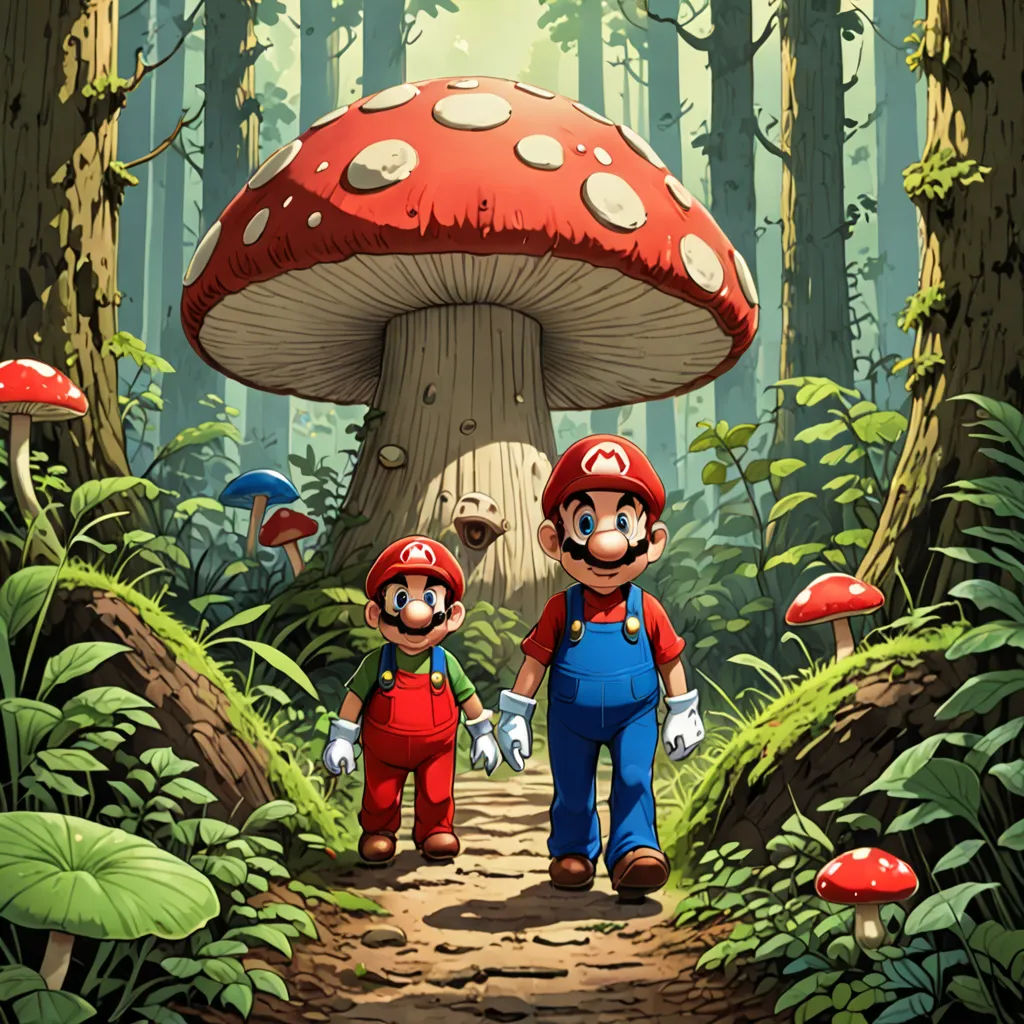
Their journey took a dramatic turn when the brothers traveled through a pipe into the Mushroom Kingdom. There, they discovered that Bowser had cast dark magic, transforming the Toads into inanimate objects.

Princess Peach was the only one capable of reversing the spell—but Bowser kidnapped her to prevent exactly that.

In this chapter of events, Luigi defeats Bowser and rescues Peach, who, rather than ending the adventure, assigns him yet another quest—marking the beginning of an ongoing cycle of heroism.


The Subcon Incident

https://s2.dmcdn.net/v/2mBXx1SR5YG3jfngL/x1080
https://static.wikitide.net/greatcharacterswiki/1/1c/Wart_smashified.png
https://img.game8.co/3256386/f92716d76308bfea44fb500ff192077b.png/show
4

During what began as a peaceful picnic, Luigi, Mario, Peach, and Toad stumbled upon something unusual—a cave with a staircase leading to a mysterious door.

After Mario shared a strange dream, the group realized they had all experienced the same vision. Curious, Luigi opened the door… and the group fell into Subcon, a surreal dream world.

There, Luigi confronted Wart, a tyrant who had cursed the land. Using vegetables—Wart’s known weakness—Luigi defeated him and freed the inhabitants of Subcon. The group celebrated their victory alongside the restored citizens, closing one of the more unusual chapters in Luigi’s journey.


The Koopalings’ Invasion
https://mario.wiki.gallery/images/thumb/7/7d/Koopalings_Airship_Artwork.jpg/1200px-Koopalings_Airship_Artwork.jpg
https://pbs.twimg.com/media/Dm6266BXoAAnZRT.png
https://mario.wiki.gallery/images/thumb/3/36/NSMBW_Koopalings_Group_Artwork.jpg/200px-NSMBW_Koopalings_Group_Artwork.jpg
4

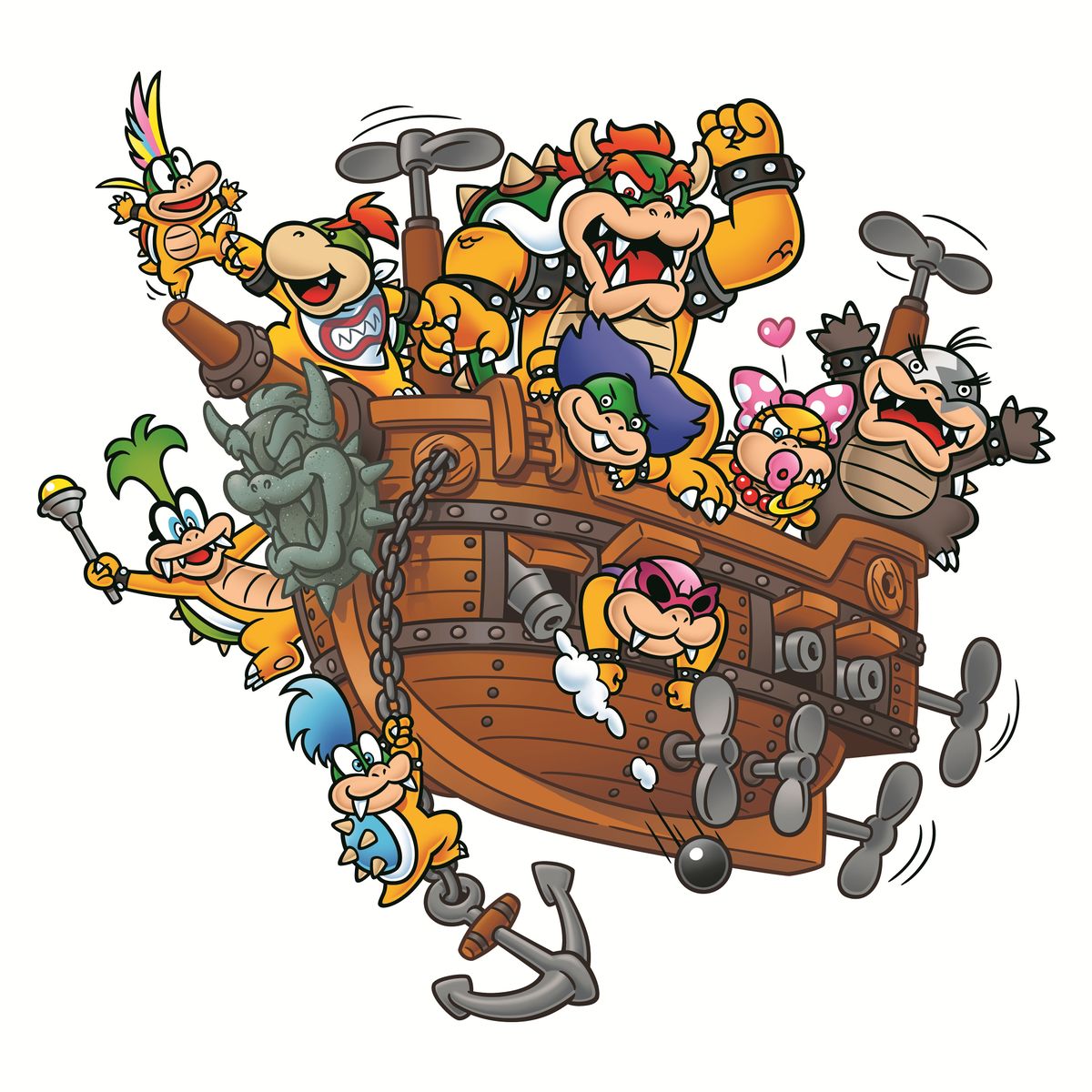
Peace was short-lived. Bowser launched a second invasion, sending the Koopalings across the Mushroom World. They:

  • Stole magical wands

  • Transformed kings into creatures

Peach informed Mario and Luigi, prompting the brothers to act. Together, they defeated the Koopalings and restored the stolen wands.

However, Bowser revealed his true move—he had kidnapped Peach once again. After confronting and defeating him, Luigi reunited with Peach, who humorously teased him with the classic line about the “real princess being in another castle.”


Dinosaur Land Adventure

https://ew.com/thmb/6W48we71im4Uhl2i9A1hNFGx4_M%3D/2000x0/filters%3Ano_upscale%28%29%3Amax_bytes%28150000%29%3Astrip_icc%28%29/The-Super-Mario-Galaxy-Movie-Yoshi-012526-03-26d2e67eace046e0923fe7b516dedc71.jpg
https://cdn.mos.cms.futurecdn.net/yMZjs2RKuhuA86xXVFDNL5-1280-80.jpg
https://miro.medium.com/v2/resize%3Afit%3A1200/1%2Avmsvzjhf78tbqH8N0XBVEA.jpeg
4

What began as a vacation in Dinosaur Land quickly turned into another rescue mission. While relaxing, Peach disappeared, prompting Mario and Luigi to search for her.

They discovered a Yoshi Egg, from which Yoshi emerged and explained that his friends had been sealed away by “monstrous turtles”—a clear sign of Bowser’s return.

With Yoshi’s help, they journeyed to the Valley of Bowser, defeated him once more, and rescued Peach. The group returned to Yoshi’s Island, where the remaining Yoshis hatched, restoring peace.


Luigi’s Mansion

https://gonintendo.com/attachments/image/59643/file/medium-bd0fab639768e6f56bdf2ff3c7a74a26.png
https://images-wixmp-ed30a86b8c4ca887773594c2.wixmp.com/f/4dce5f7b-c16b-48f6-9f7e-0a9ba49cfeae/dkr6kst-ca6803c0-4f90-444b-a27e-daa62854fce3.png/v1/fill/w_1280%2Ch_720%2Cq_80%2Cstrp/luigi_rescued_mario_after_defeating_king_boo_by_hsomega25_dkr6kst-fullview.jpg?token=eyJ0eXAiOiJKV1QiLCJhbGciOiJIUzI1NiJ9.eyJzdWIiOiJ1cm46YXBwOjdlMGQxODg5ODIyNjQzNzNhNWYwZDQxNWVhMGQyNmUwIiwiaXNzIjoidXJuOmFwcDo3ZTBkMTg4OTgyMjY0MzczYTVmMGQ0MTVlYTBkMjZlMCIsIm9iaiI6W1t7ImhlaWdodCI6Ijw9NzIwIiwicGF0aCI6Ii9mLzRkY2U1ZjdiLWMxNmItNDhmNi05ZjdlLTBhOWJhNDljZmVhZS9ka3I2a3N0LWNhNjgwM2MwLTRmOTAtNDQ0Yi1hMjdlLWRhYTYyODU0ZmNlMy5wbmciLCJ3aWR0aCI6Ijw9MTI4MCJ9XV0sImF1ZCI6WyJ1cm46c2VydmljZTppbWFnZS5vcGVyYXRpb25zIl19.pqN-OzM9dRTFermm-a0fTI0144PuRor-IkbMXfv9l3Q
https://www.nintendo.com/jp/ichikara/ag3ja/img/en/hero_pc.jpg
4

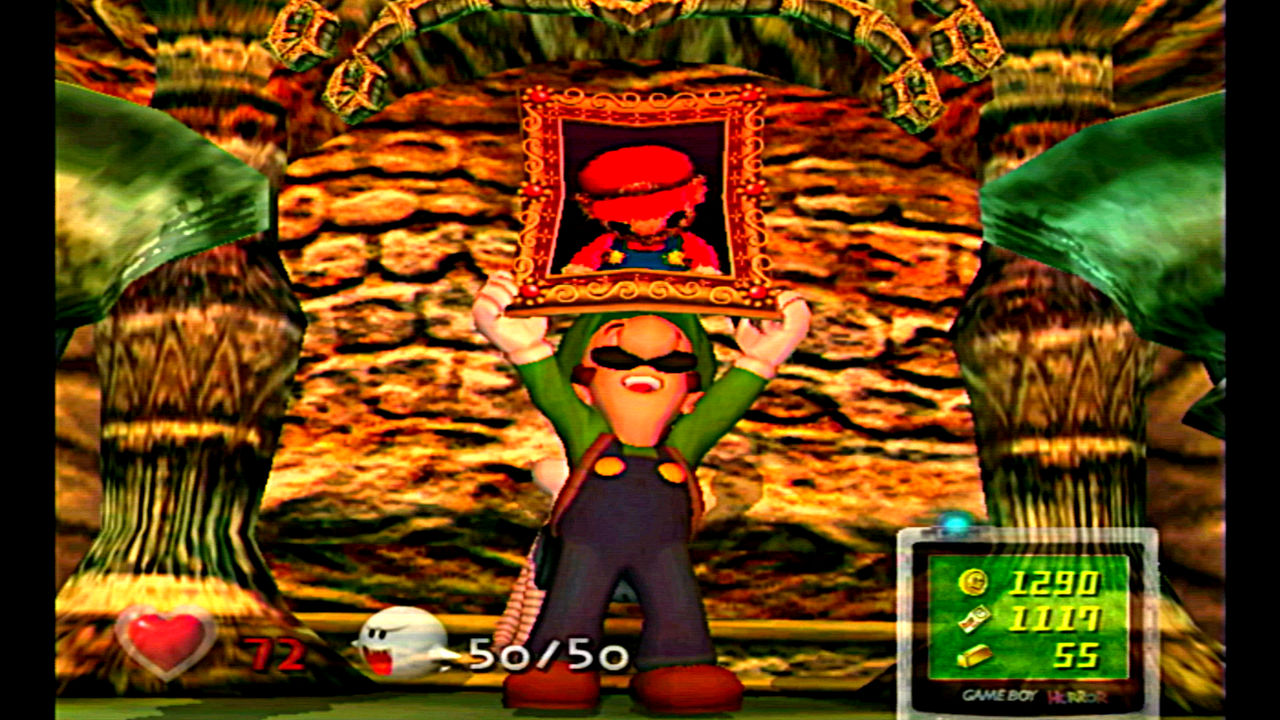
In one of Luigi’s most defining solo adventures, he unexpectedly won a mansion in a contest he never entered. Upon arriving in Boo Woods, he was immediately attacked by ghosts, only to be saved by Professor E. Gadd, who introduced him to the Poltergust 3000.

Luigi soon learned that:

  • King Boo had trapped Mario inside a painting

  • The mansion itself was a trap designed to lure both brothers

Equipped with the Poltergust and the Game Boy Horror, Luigi captured the portrait ghosts and eventually confronted King Boo. After defeating him—by exposing and removing a Bowser disguise—Luigi freed Mario and returned to E. Gadd’s lab.

As a reward, Luigi used the treasure he collected to build himself a new house, earning recognition for his bravery.

Vibe Island Incident

https://mediaproxy.tvtropes.org/width/1200/https%3A//static.tvtropes.org/pmwiki/pub/images/super_princess_peach_artwork.png
https://mario.wiki.gallery/images/4/4d/KamekSW2YI.png
https://mario.wiki.gallery/images/3/3d/Bowser%27s_Villa.png

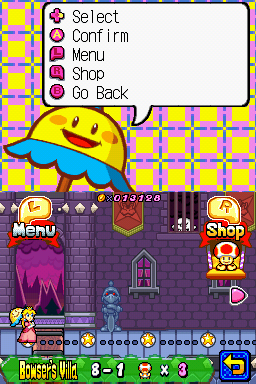
During another crisis, Bowser kidnapped Mario, Luigi, and the Toads. Luigi was specifically trapped in a bubble by Kamek.

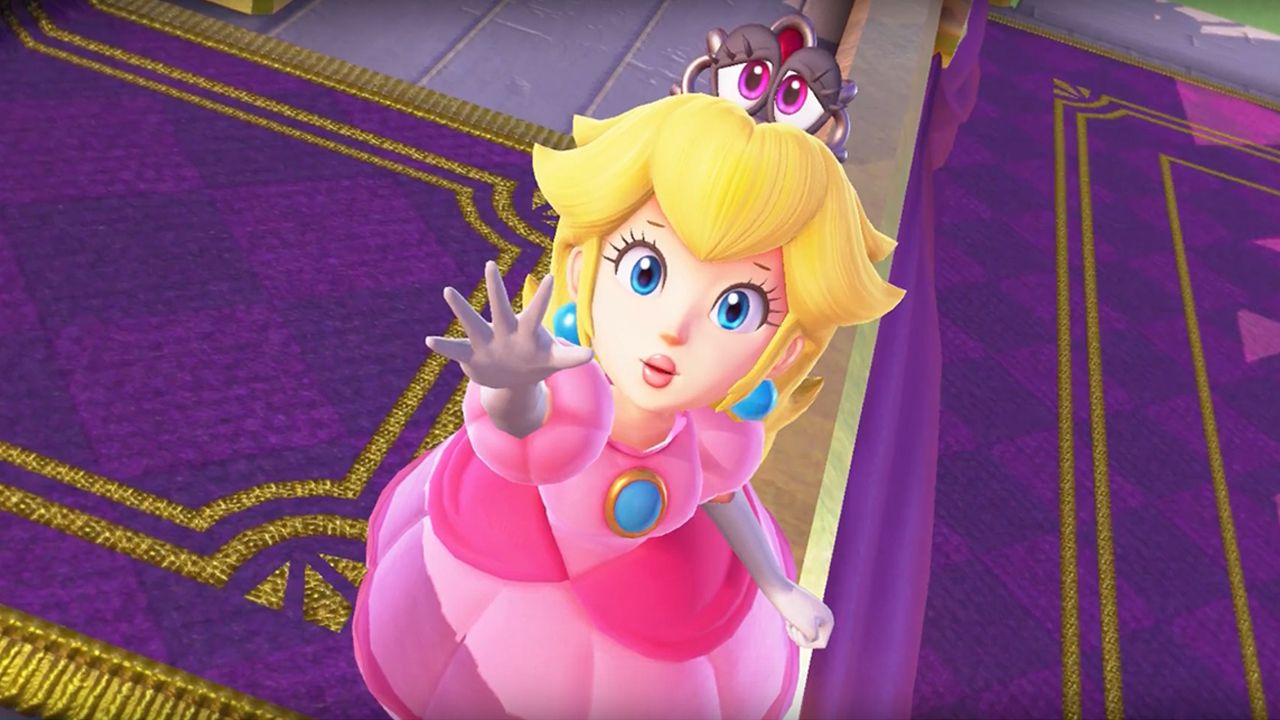
Princess Peach, aided by a sentient umbrella named Perry, set out to rescue them. After freeing Luigi, they confronted Bowser and his forces, ultimately rescuing everyone and returning safely to the Mushroom Kingdom.

Galaxy Crisis
https://mario.wiki.gallery/images/thumb/5/57/SMG1%2B2_Comet_Observatory.png/250px-SMG1%2B2_Comet_Observatory.png
https://mario.wiki.gallery/images/thumb/9/9b/Luigicaged.png/1200px-Luigicaged.png
https://mario.wiki.gallery/images/thumb/9/92/Bowser_Galaxy_Reactor_Final_Showdown.png/1200px-Bowser_Galaxy_Reactor_Final_Showdown.png

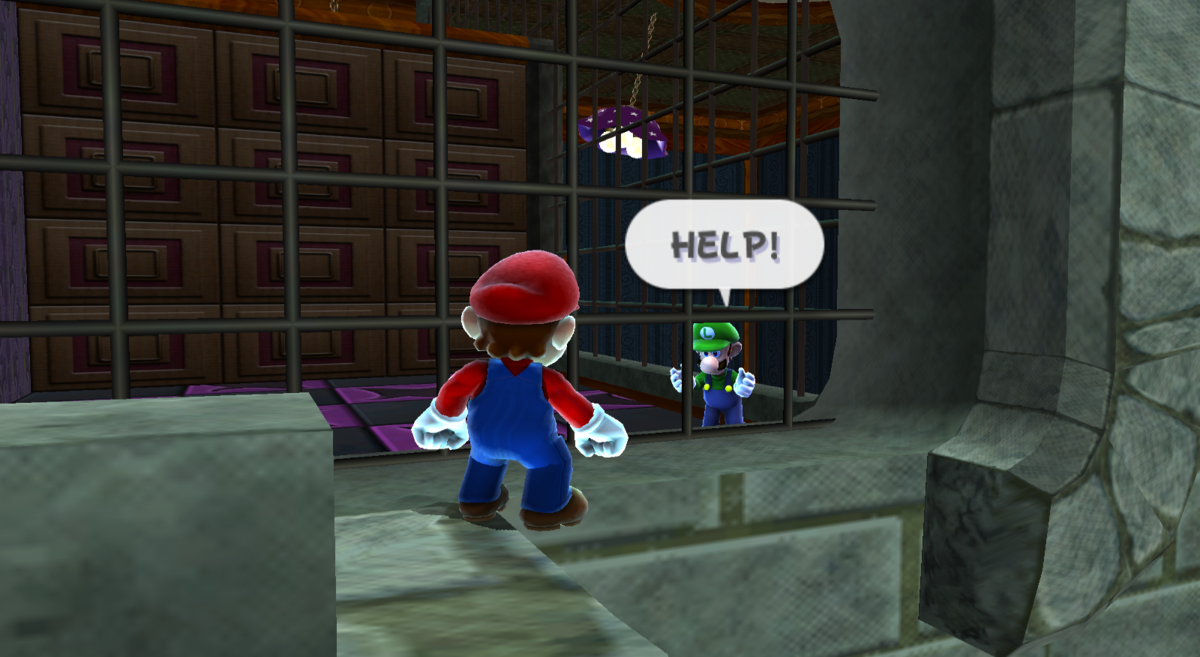
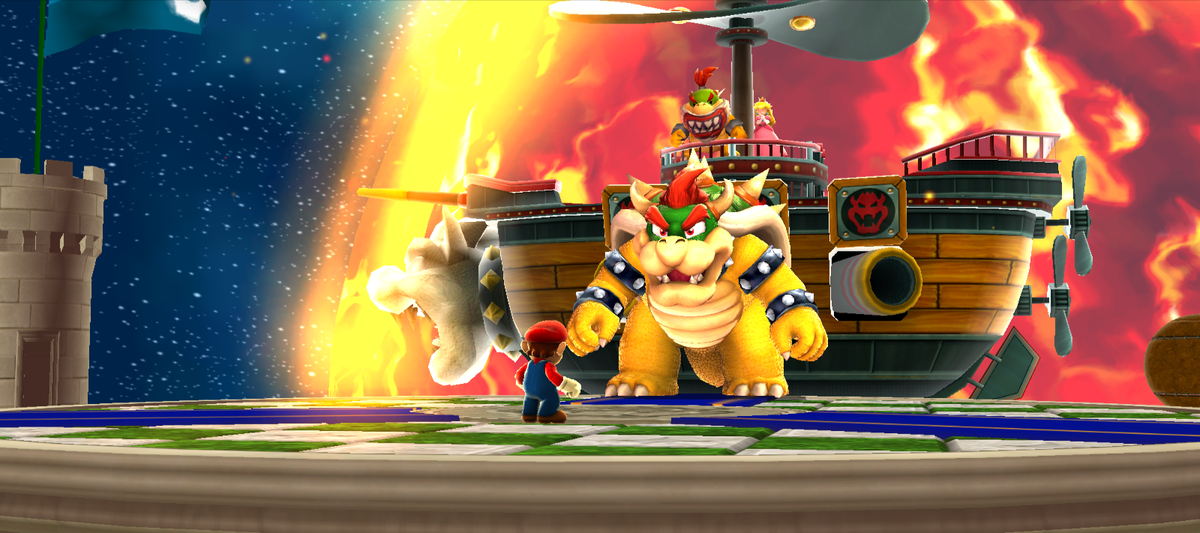
During the Star Festival, Bowser attacked and scattered everyone across galaxies. Luigi became separated and was later found trapped in a haunted mansion within Ghostly Galaxy.

Mario rescued him, and Luigi returned to the Comet Observatory, assisting indirectly while Mario gathered Power Stars.

Following Bowser’s defeat, a catastrophic black hole formed, threatening the universe. Thanks to Rosalina and the Lumas, the universe was restored, and Luigi was reunited with everyone in the Mushroom Kingdom.

https://www.nintendoworldreport.com/media/36066/4/2.jpg
https://m.media-amazon.com/images/I/81nS1zfJhFL._AC_UF350%2C350_QL80_.jpg
https://supermario3dworld.nintendo.com/assets/img/play-together/characters/luigi.png

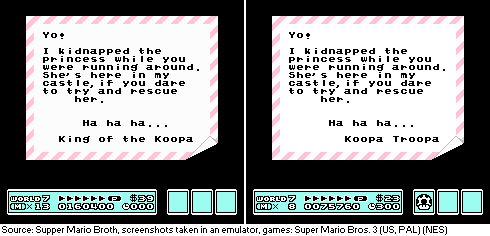
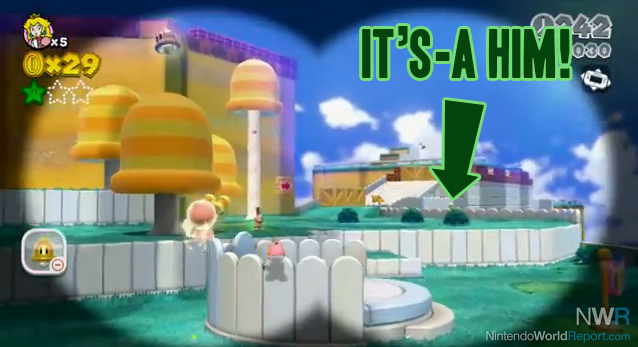
Luigi initially appears as an Easter egg in Super Mario 3D Land. However, events escalate when he is captured by Dry Bowser’s forces.

From captivity, Luigi sends a letter to Mario. Upon being rescued, he becomes a playable character, showcasing:

  • Higher jumps than Mario

  • Lower traction, making him harder to control

Sprixie Kingdom Adventure
https://cdn.mos.cms.futurecdn.net/5132af3fc5af07db57377be87a40f012-800-80.jpg
https://files.idyllic.app/files/static/2653186
https://mario.wiki.gallery/images/thumb/5/54/MKT_Artwork_Meowser.png/250px-MKT_Artwork_Meowser.png

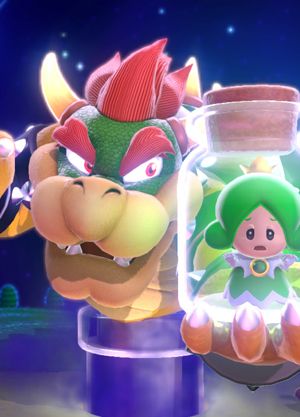
While enjoying a peaceful evening, Luigi and his companions encountered a Sprixie Princess fleeing from Bowser. After she was captured again, the group pursued Bowser through a Clear Pipe into another world.

They:

  • Rescued multiple Sprixie Princesses

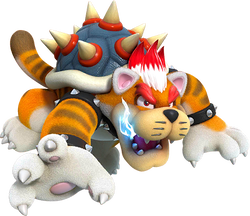
  • Faced Bowser in his Meowser form

  • Ultimately restored peace and returned home


Death and Respawn

In certain gameplay scenarios, Luigi can encounter a Grim Reaper-like entity, which defeats him by slashing him in half. However, consistent with the series’ mechanics, Luigi respawns afterward, continuing his journey without permanent consequence.

Luigi’s early life and adventures reflect a journey defined by contrast—moments of fear paired with undeniable bravery. From being rescued as a child to rescuing others as an adult, Luigi’s story is one of growth, resilience, and stepping out of the shadows when it matters most.