

From China to the USA: The Global Revolution of Modern Anime
For decades, Japan stood as the undisputed cradle of anime — the place where imagination took form through ink, emotion, and artistry. Its distinct visual style, poetic storytelling, and finely tuned production culture didn’t just define a genre — they defined a generation of dreamers. But as the years have flowed like ink across a blank page, something remarkable has happened. The rest of the world has begun to draw.
From the vibrant studios of Southeast Asia to the visionary animators of North America and the mythic dreamscapes of China, creators across continents are taking anime’s foundation and sculpting it into something fiercely their own. These new voices don’t just follow in Japan’s footsteps — they dance alongside them, blending their own mythologies, social commentary, and cinematic textures into works that pulse with identity and innovation.
This isn’t imitation — it’s evolution. A reimagining of what “anime” can mean in a world where creativity knows no borders. What we’re witnessing now is a cultural symphony — one where Japanese influence harmonizes with global storytelling to create something breathtakingly new.
Here are 10 global anime that prove Japan doesn’t just rule the throne anymore — it shares it with the world.
Trese (Philippines)

In the neon-soaked shadows of Manila, Trese rises like a whispered legend — a haunting fusion of crime noir and ancient folklore. It’s a world where the city’s flickering streetlights illuminate not just humanity’s vices, but the restless spirits that walk among them. At the heart of it all stands Alexandra Trese — calm, stoic, and burdened by a lineage that binds her to both the living and the dead. She isn’t just solving crimes; she’s maintaining balance in a city forever teetering between chaos and myth.
What makes Trese so extraordinary is its unflinching cultural soul. The series dives deep into Filipino mythology — from Tikbalang to Aswang, from whispers in the alleyways to gods who never left the earth. Yet it does so with a cinematic confidence that rivals the best supernatural thrillers from Japan or beyond. Every frame feels steeped in mood — Manila rendered as both beautiful and broken, its skyline cloaked in mystery and melancholy.
It’s a masterpiece of graphic-novel precision and anime-inspired elegance, threading the grit of a detective story through the supernatural pulse of Southeast Asia. Trese doesn’t just prove that anime-style storytelling can travel — it shows that when it does, it evolves, reshaping itself to carry the voice of a nation.
The Dragon Prince (Canada/USA)

Born from the creative minds behind Avatar: The Last Airbender, The Dragon Prince soars as a breathtaking tapestry of fantasy, emotion, and political depth. It’s a world where dragons, elves, and humans wage war not only for power, but for understanding — a realm where magic itself becomes both a weapon and a mirror reflecting the best and worst of its wielders.
At its heart, though, lies humanity. Characters like Rayla, with her fierce loyalty and fragile heart, and Callum, with his boundless curiosity and quiet courage, remind us that even in lands of wonder, the greatest battles are fought within. Every relationship, every moral choice, every laugh shared between chaos and heartbreak gives the story a pulse that feels profoundly real — a heartbeat that transcends animation.
Visually, the series continues to evolve with each season — the combat now dances with fluid precision, and the landscapes shimmer with painterly beauty. The storytelling never rests; it matures, daring to weave themes of identity, loss, inclusivity, and redemption into its grand design.
The Dragon Prince isn’t just Western animation borrowing from anime — it’s a full-fledged evolution of global fantasy storytelling. A series that captures the emotional depth and mythic wonder of anime while standing tall on its own wings.
Mo Dao Zu Shi (China)

Mo Dao Zu Shi — or The Grandmaster of Demonic Cultivation — stands as a haunting, poetic masterpiece that reshaped the world’s perception of Chinese animation. It unfolds like an ancient legend reborn — a tale of love, loss, and redemption set against the backdrop of immortal sects, political betrayals, and the blurred line between righteousness and corruption. At its core is Wei Wuxian, the defiant cultivator who falls from grace only to rise again, haunted by both ghosts and memories of a love too profound to name.
This isn’t just storytelling — it’s an emotional symphony. Every glance, every silence between Wei Wuxian and Lan Wangji carries the weight of a thousand unspoken confessions. The series balances its BL-coded tenderness with sharp political intrigue and intricate world-building, where every clan and spell feels steeped in centuries of lore.
Mo Dao Zu Shi is breathtaking. Its brushstroke-inspired art style flows like living ink across parchment, evoking the elegance of traditional Chinese painting. The animation captures not only the grandeur of sword fights and spiritual rituals but also the stillness of moonlit lakes and unspoken goodbyes. Coupled with a soundtrack that fuses guqin strings with cinematic crescendos, the show becomes a sensory experience — one both timeless and transcendent.
Mo Dao Zu Shi isn’t just China’s answer to anime; it’s a declaration. A masterpiece that proves donghua can stand shoulder to shoulder with Japan’s finest — matching its emotional resonance while speaking in the unmistakable voice of Chinese artistry.
Castlevania (USA)
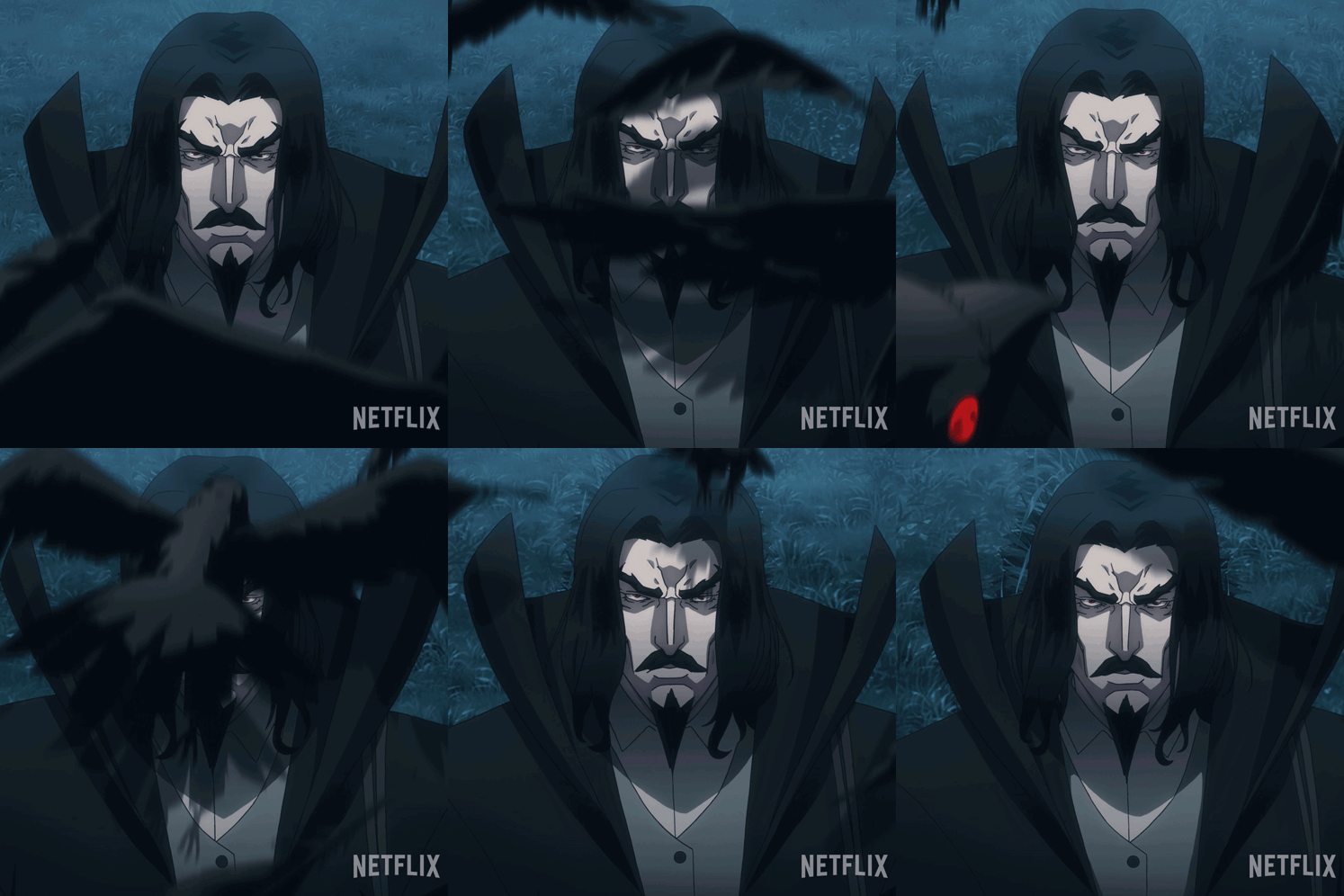
Born from the legacy of a beloved Japanese video game, Castlevania doesn’t just adapt its source — it transcends it. In a bold twist of fate, this Western-produced anime reclaims the gothic mythos and breathes new, blood-soaked life into it, crafting something more visceral, more poetic, and more human than anyone expected.
Every frame drips with atmosphere — from the flicker of torchlight on stone to the crimson gleam of spilled blood. The series doesn’t shy away from its brutality, but beneath the carnage lies a tragedy of staggering depth. Dracula isn’t just a monster; he’s a grieving husband, a god of sorrow cloaked in rage. Trevor Belmont, weary and reluctant, bears his family’s cursed duty with dry wit and battered nobility, while Sypha Belnades burns bright with faith, intellect, and fury. Together, they navigate a world where faith fails, heroes fall, and monsters mourn.
Under Adi Shankar’s fearless vision and the kinetic artistry of Frederator Studios, Castlevania fuses the grandeur of gothic horror with the soul of Eastern anime. Its razor-sharp dialogue, fluid combat choreography, and melancholic storytelling transform it into something rare — a Western series that fully understands the anime heartbeat and channels it through a distinctly different lens.
Heaven Official’s Blessing (China)

From the luminous imagination of Mo Xiang Tong Xiu comes Heaven Official’s Blessing — a celestial tale of love, loss, and eternity that feels less like an animated series and more like a painting come to life. Every moment unfolds with divine patience, drawing you into a story that spans centuries of devotion, where gods fall, ghosts love, and redemption lingers like a prayer whispered into the wind.
At its heart lies the bond between Xie Lian, the fallen Crown Prince of Xianle, and Hua Cheng, the enigmatic Ghost King who has loved him across lifetimes. Their relationship is tender yet transcendent — an LGBTQ-coded romance built not on spectacle, but on the aching beauty of loyalty, reverence, and quiet yearning. Their every interaction glows with the grace of souls who have found each other through countless storms.
Visually, Heaven Official’s Blessing is a masterpiece of elegance. The animation flows like silk — soft lighting, intricate robes, and ethereal landscapes weave a dreamscape that feels both divine and heartbreakingly human. Every detail, from the shimmer of falling petals to the glow of sacred lanterns, tells a story of faith, beauty, and endurance.
What sets it apart is its narrative restraint — the courage to slow down and let emotions breathe. Rather than chasing action or grandeur, it chooses intimacy and reflection, transforming each quiet scene into a meditation on love’s resilience.
Heaven Official’s Blessing is a story that proves animation can be sacred, that love can be eternal, and that even gods can kneel before the gentleness of a single, enduring heart.
Link Click (China)
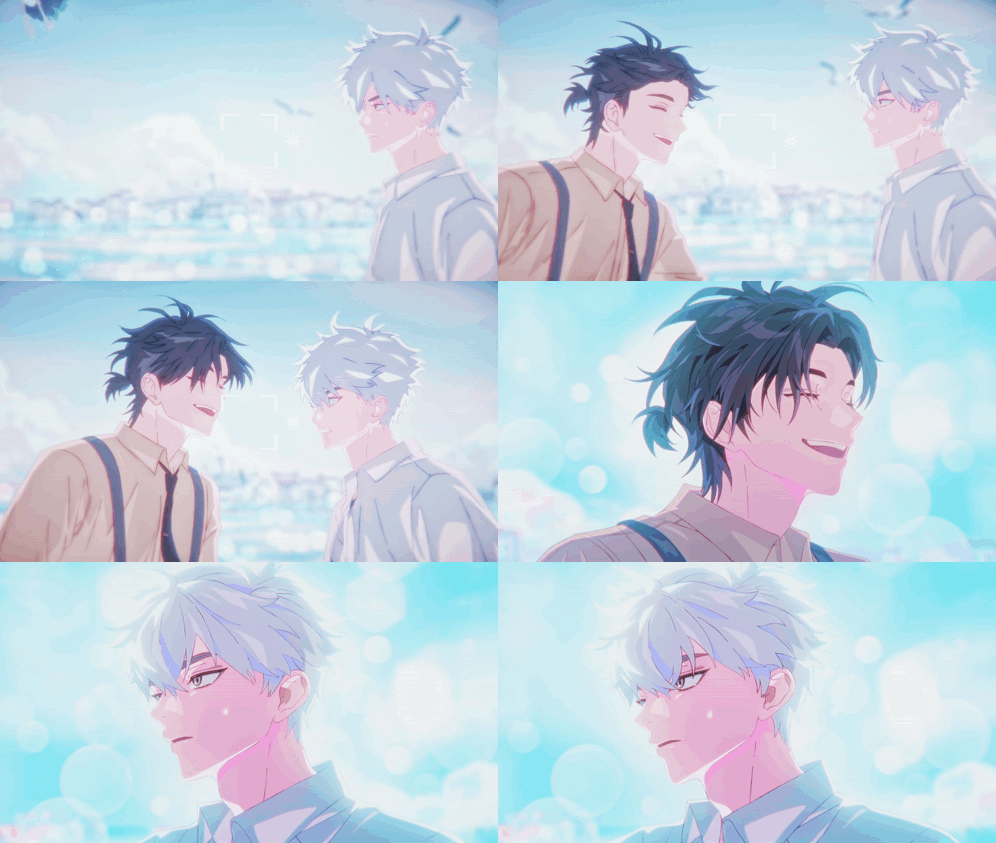
Link Click is not just a story — it’s an experience. A breathtaking fusion of time travel, psychological drama, and emotional realism, it grabs you from the first frame and doesn’t let go until your heart is in pieces. The premise is deceptively simple — two young men who can dive into photographs to relive moments from the past. But what begins as a clever ability soon unravels into a haunting meditation on memory, guilt, and the cost of empathy.
At its core are Cheng Xiaoshi and Lu Guang, partners bound by a fragile trust and an unspoken emotional gravity. Every mission they take draws them deeper into the lives — and pain — of strangers, blurring the line between observer and participant. The series weaves together shocking twists and tender moments with surgical precision, balancing high-concept sci-fi with the kind of human vulnerability that lingers long after the screen fades to black.
Link Click's fluid, cinematic animation rivals the best of Japan’s top-tier studios — each movement sharp, each frame alive with energy and emotion. Action sequences ripple with adrenaline, yet the show never loses sight of its emotional center. Its direction, pacing, and sound design are all masterfully tuned to one goal: to make you feel every second of time slipping away.
This is donghua at its finest — confident, stylish, and unapologetically ambitious. Link Click proves that Chinese animation isn’t just catching up to Japan’s — it’s expanding the language of what animated storytelling can be: raw, unpredictable, and devastatingly human.
In the end, it’s not about time travel — it’s about how moments define us, and how, no matter how far back we go, some memories are too powerful to change.
To Be Hero X (China)

To Be Hero X doesn’t just play with the superhero genre — it dismantles it, rebuilds it, and paints it in wild, untamed colors. It’s a bold declaration of creative freedom, where absurd comedy and aching humanity collide in a visual symphony that feels unlike anything else on television. Every frame thrums with experimentation, every scene dances between laughter and heartbreak — a daring reminder that heroism, at its core, is as much about being human as it is about saving others.
At the heart of the chaos is NICE, a hero who punches through not just enemies, but existential questions of purpose and identity. The series swings effortlessly from outrageous humor to soulful reflection, balancing its eccentric tone with a sincerity that sneaks up on you. Beneath its comic madness beats a heart full of empathy — for the flawed, the forgotten, and the ordinary people trying to be something more.
To Be Hero X is a revelation in motion. Its hybrid animation style — a stunning blend of painterly 2D artistry, cinematic camera work, and fluid 3D choreography — pushes the boundaries of what animation can express. It’s bold, alive, and utterly unpredictable, every frame a canvas bursting with innovation and personality.
While many productions stay safe within familiar aesthetics, To Be Hero X chooses rebellion — crafting a new visual language that feels both anime-inspired and defiantly original. It’s a show that reminds the world that the future of animation isn’t confined to tradition; it’s being redrawn, reimagined, and redefined right now.
Lord of the Mysteries (China)
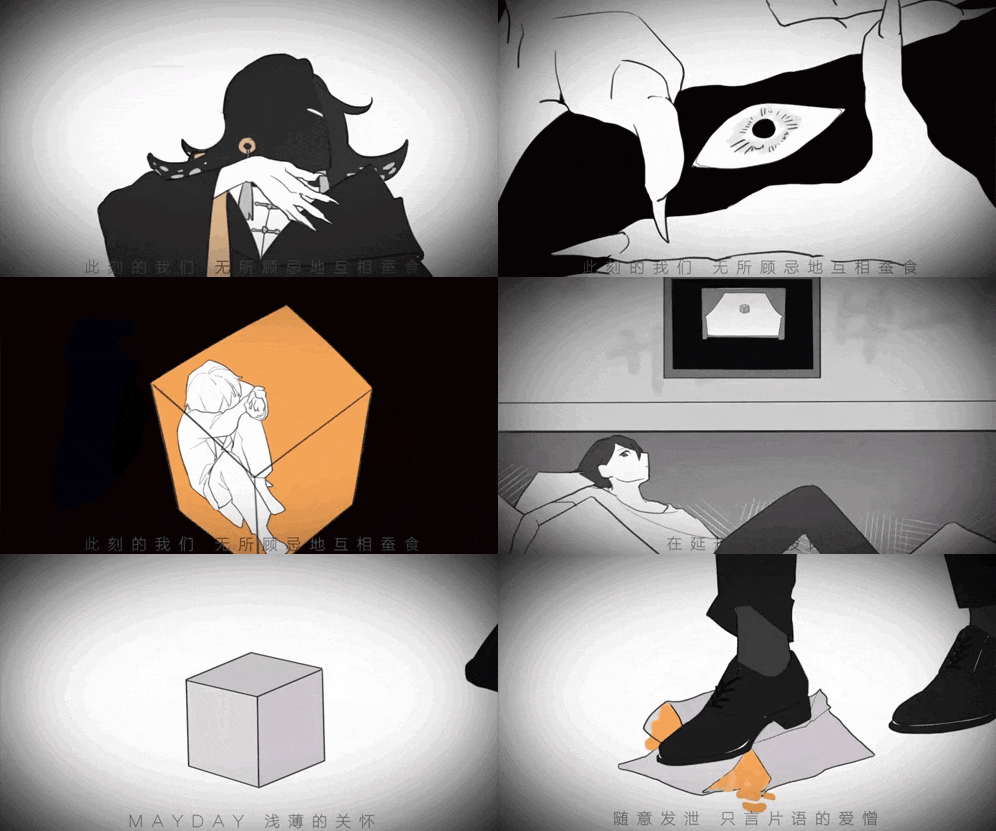
Lord of the Mysteries descends from the pages of one of China’s most beloved web novels — a story that doesn’t just whisper of madness and gods, but redefines how we see mystery, magic, and the monstrous unknown. Imagine a world where Lovecraftian horror intertwines with Victorian steampunk elegance, where gears and grimoires coexist, and every revelation feels like unlocking a door to something vast, ancient, and terrifyingly divine.
At its heart stands Klein Moretti, a man drawn into a spiraling web of occult power, secret societies, and cosmic truth. The narrative unfolds with meticulous brilliance — building a supernatural system that’s eerily logical, a hierarchy of “pathways” where mortals ascend toward godhood at the cost of their sanity. It’s dark fantasy made intelligent — every rule makes sense, every mystery has consequence, and every step forward threatens to tear the fabric of reality just a little more.
Visually and thematically, Lord of the Mysteries promises a new frontier for donghua — one that dares to merge horror, faith, and philosophy with the aesthetic grandeur of gaslight streets and clockwork cities. If the adaptation delivers on its source material’s intricate world-building and psychological tension, it could easily become a global phenomenon, a series that bridges cultures through the shared thrill of cosmic awe and human frailty.
Avatar: The Last Airbender (USA)
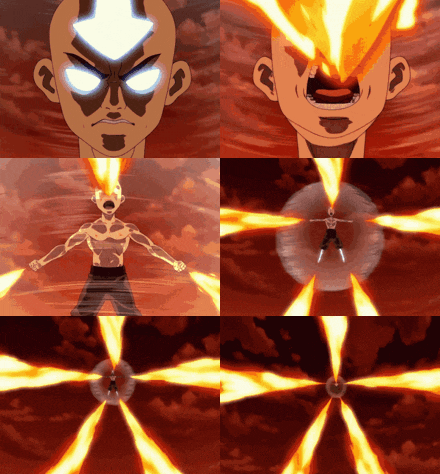
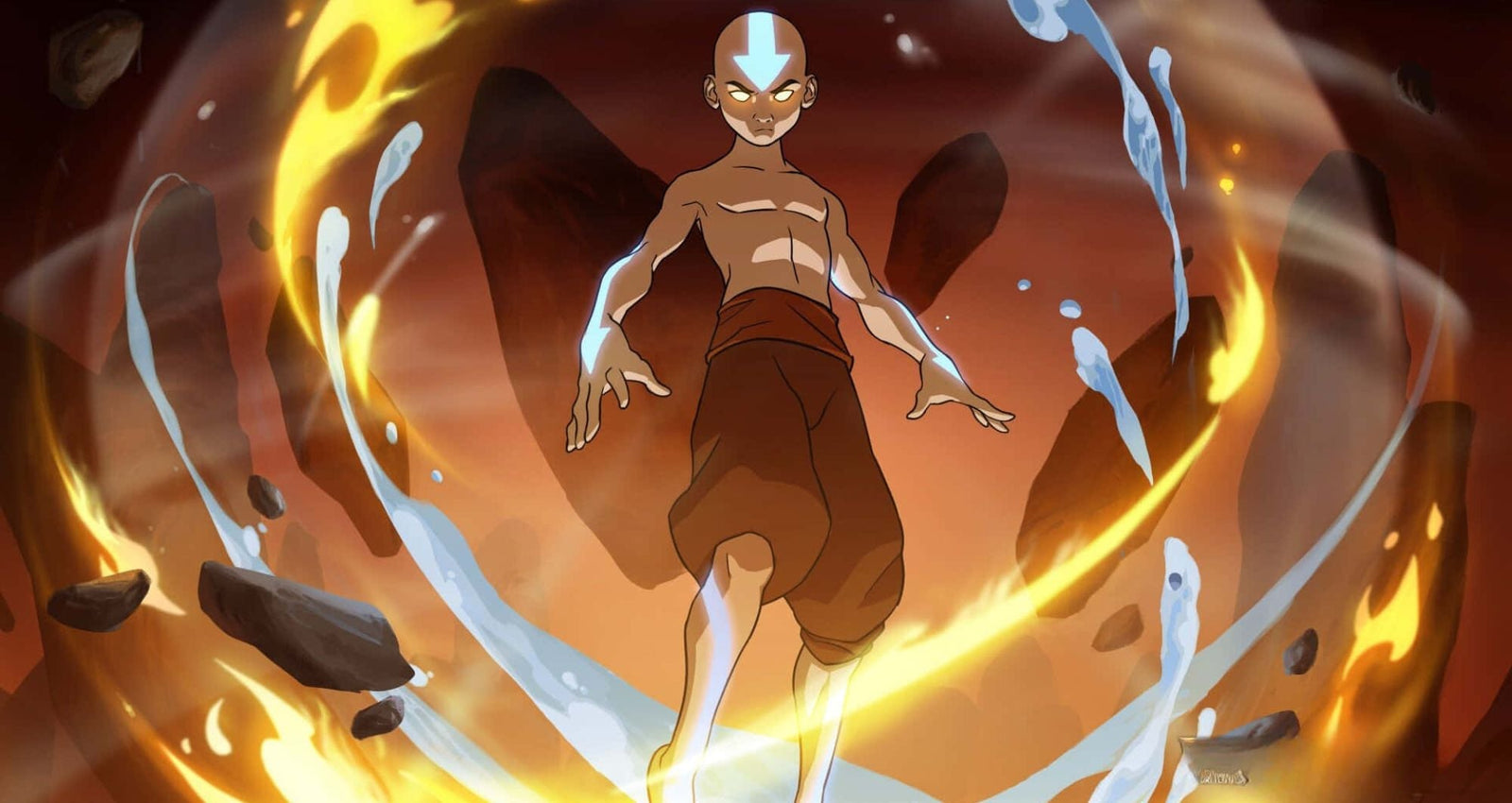
Long before global anime became a movement, Avatar: The Last Airbender stood as its eternal spark — a masterpiece that bridged East and West with seamless grace. Rooted in Eastern philosophy, martial arts discipline, and deeply human storytelling, it created a universe where balance wasn’t just a theme — it was a way of life. Across four nations, bending wasn’t merely combat; it was a language of the soul.
At the center of it all was Aang, the reluctant hero burdened with the weight of peace in a fractured world. Around him, every character became a meditation on growth and healing — from Katara’s compassion forged through loss, to Toph’s strength hidden behind defiance, to Zuko’s redemption arc, one of the most emotionally resonant journeys in animated history. The show didn’t shy away from its themes of war, trauma, identity, and hope — it faced them head-on, with empathy and wisdom beyond its years.
Artistically, Avatar introduced millions around the world to anime-style storytelling — not as imitation, but as evolution. Its humor softened its heartbreak, its heart gave weight to its spectacle, and its message — that balance begins within — made it timeless.
Two decades later, Avatar: The Last Airbender remains the gold standard of global animation — a story that proved “anime” isn’t bound by borders, but by the courage to tell stories with emotional truth, artistic ambition, and spiritual depth.
Arcane (France/USA)

Arcane didn’t just raise the bar for animation — it shattered it. A visual symphony painted in motion, this series blends painterly 3D artistry with raw, emotional storytelling to craft something both beautiful and devastating. Every frame feels alive, every movement deliberate — a seamless marriage of kinetic energy and haunting stillness that redefines what animation can be.
At its blazing heart lies the fractured bond between Vi and Jinx — two sisters torn apart by circumstance, stitched together by pain, and driven by love twisted into chaos. Their story burns with emotional realism, a tragic heartbeat that pulses beneath the spectacle. The series doesn’t just show conflict; it feels it — in the tremor of Vi’s fists, in Jinx’s spiraling descent, in the way the world itself seems to breathe and break around them.
But Arcane is more than a triumph of style. It’s a masterclass in world-building and political storytelling. The gleaming towers of Piltover and the shadowed alleys of Zaun become characters in their own right — reflections of power, inequality, and rebellion. Every voice, every line of dialogue, every note of the score is weighted with intention, creating a universe that feels simultaneously mythic and modern.
In a single season, Arcane didn’t just challenge the global animation industry — it transformed it. It proved that Western studios could rival, and even surpass, the artistic and emotional complexity long associated with Japan’s finest anime.
The age of anime supremacy is no longer defined by borders — it’s being redrawn by imagination. From China’s mythic artistry to America’s cinematic depth and France’s visual revolutions, the world has embraced anime not as a borrowed art form, but as a universal language of emotion and creativity.
Each of these global masterpieces — from Trese’s haunted Manila to Arcane’s fractured Piltover — proves that anime’s soul now belongs to everyone brave enough to dream with ink, motion, and meaning. The crown isn’t just Japan’s anymore — it’s a shared creation, forged by storytellers who dare to push the medium beyond what we thought possible.
Love anime, Marvel, DC, Transformers, or LEGO? Discover our exclusive collectibles from your favorite fandoms — statues, figures, and memorabilia that celebrate every story you love, all up to 40% OFF at Superhero Toystore.
Bring your fandom home — because every shelf deserves a legend.