


Fake Dragon Ball Figures: Complete Guide to Authentic DBZ Collectibles
If you have ever searched for a Dragon Ball Z figure online, you have probably noticed something interesting: two figures that look almost identical can sometimes have wildly different prices.
One listing might feature an official S.H.Figuarts Goku for a premium price, while another seller offers what appears to be the exact same character for a fraction of the cost. At first glance, the cheaper figure can look like an incredible bargain. But there is a very real possibility that you are looking at a counterfeit Dragon Ball figure.
For Dragon Ball collectors, knowing the difference between official and fake DBZ figures is becoming increasingly important. Counterfeit figures can imitate everything from the character sculpt and paintwork to the packaging, logos and accessories. Some are surprisingly convincing, particularly when you are looking at product photographs online rather than the physical figure itself.
The good news is that there are several clues you can use to protect yourself.
Whether you are buying your first Dragon Ball Z collectible, building a display of Goku and Vegeta figures, hunting for older releases or investing in premium S.H.Figuarts, Ichibansho and other official Dragon Ball figures, this guide will help you understand what separates a genuine collectible from a fake.
Quick Answer: How can you tell if a Dragon Ball figure is fake?
Compare the exact figure with official product information, then check its packaging, manufacturer logos, copyright details, sculpt, paint, accessories, authentication markings, price and seller. Never rely on a single detail, particularly when authenticating older releases.
Why Are Fake Dragon Ball Figures So Common? A Collector’s Guide to Spotting Counterfeit DBZ Figures
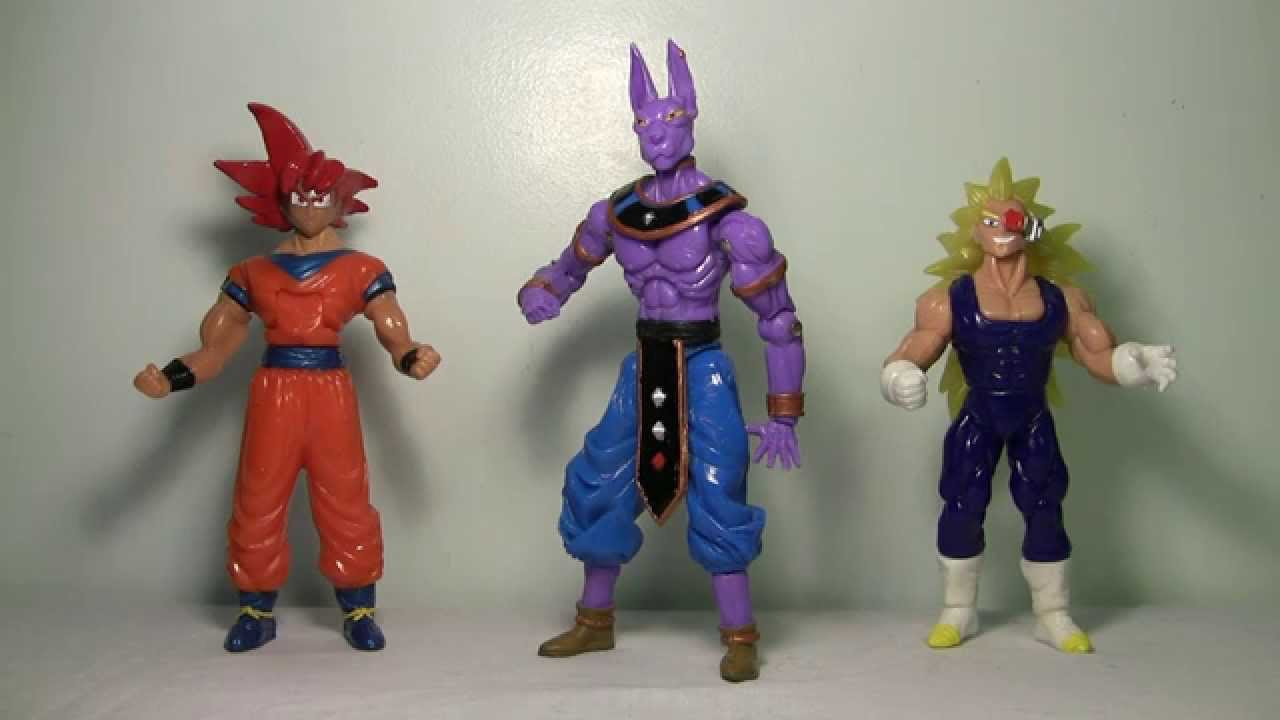
Dragon Ball is more than just one of the world’s most recognizable anime franchises. For millions of fans, it is also a major collecting hobby, with everything from articulated action figures and statues to prize figures and limited-edition releases available across the globe.
That enormous popularity, however, comes with an unfortunate downside: Dragon Ball figures are a major target for counterfeit manufacturers.
The reason is fairly straightforward. Official Dragon Ball collectibles can become highly desirable, particularly when a figure is discontinued, limited, exclusive to a particular event or difficult to find in a specific country. When demand rises and legitimate stock becomes harder to find, counterfeiters have an obvious opportunity to step in.
BANDAI and BANDAI SPIRITS have acknowledged the wider issue of unauthorized and counterfeit merchandise, and collectors are regularly encouraged to pay attention to where products come from and whether they can be traced back to legitimate releases. BANDAI SPIRITS operates several major collectible brands, including TAMASHII NATIONS, Ichiban Kuji and Banpresto, giving the company a broad presence across the figure and collectible market.
For collectors, the problem is not simply that fake figures exist. The bigger issue is that modern counterfeits can sometimes look surprisingly convincing.
A counterfeit Dragon Ball figure may come with:
- A convincing-looking box
- A familiar Dragon Ball character
- Similar colours and accessories
- Replicated logos
- Photographs taken from an official product listing
- Packaging designed to resemble the genuine release
- A price that initially looks like an incredible deal
Some counterfeiters even use photographs of the legitimate product to advertise the fake one, meaning the image you see online may look absolutely perfect while the figure that eventually arrives at your door is something else entirely.
That is why simply looking at a product photograph and thinking, "That looks right," is not always enough.
For collectors, authenticity is much easier to judge when several clues are considered together: the packaging, manufacturer markings, copyright information, sculpt, paintwork, accessories, product number, price and seller should all tell the same story.
Official Dragon Ball Figures Come From Multiple Product Lines
Before learning how to spot a fake Dragon Ball figure, it is important to understand one thing: "official Dragon Ball figure" does not describe a single type of collectible.
Dragon Ball figures have been produced across numerous officially licensed ranges, manufacturers and distribution channels over the years.
Some of the most recognizable lines include S.H.Figuarts, Ichibansho, Banpresto, Figuarts ZERO and other BANDAI and BANDAI SPIRITS releases.
This matters because different product lines can have completely different packaging, proportions, articulation, accessories, materials and price points.
A collector who expects every official Dragon Ball figure to follow the same packaging or quality standards can easily mistake a legitimate product for a fake — or, even worse, assume that a convincing counterfeit is genuine.
BANDAI SPIRITS currently describes its portfolio as including TAMASHII NATIONS figures and robots, Ichiban Kuji character lotteries and Banpresto amusement prizes, illustrating just how broad the company's official collectible ecosystem is.
S.H.Figuarts Dragon Ball Figures
S.H.Figuarts is one of the most popular Dragon Ball action-figure ranges among serious collectors.
Produced under TAMASHII NATIONS, the line places considerable emphasis on articulation, posing, character accuracy and interchangeable accessories. This makes S.H.Figuarts particularly appealing to collectors who want figures that can be displayed in dynamic poses rather than simply placed on a shelf.
The official Dragon Ball S.H.Figuarts range has covered characters and versions from across the franchise, including Dragon Ball Z, Dragon Ball Super, Dragon Ball GT, Dragon Ball movies and video games.
That enormous catalogue also creates an opportunity for counterfeiters.
Older S.H.Figuarts releases can become increasingly difficult to locate, while particularly popular characters and exclusive versions may command significantly higher prices on the secondary market. A collector who finds a supposedly rare figure at an unusually low price may therefore be tempted to buy immediately.
That is precisely where caution becomes important.
TAMASHII NATIONS maintains official product information and collector resources, making the manufacturer's documentation an important reference point when checking whether a particular release actually exists.
When examining an S.H.Figuarts Dragon Ball figure, collectors should therefore compare the figure with photographs and specifications from legitimate sources rather than relying solely on the seller's images.
Ichibansho Figures
Ichibansho figures are another popular choice for Dragon Ball collectors.
The line is closely associated with the Ichiban Kuji lottery system, where figures traditionally appear as prizes in themed lottery releases. BANDAI's own explanation describes Ichibansho figures as approximately six inches tall, although the actual dimensions can vary depending on the character and release.
Unlike highly articulated S.H.Figuarts releases, Ichibansho figures are generally designed around character presentation and display.
They are typically static figures, meaning the emphasis is placed on sculpting, pose, character likeness and visual impact rather than extensive articulation.
BANDAI also highlights the attention given to sculpting, texture and paint application on Ichibansho releases.
That makes details such as facial sculpting, hair shapes, clothing textures and paint application especially useful when comparing a suspected counterfeit with an authentic figure.
It is also worth remembering that Ichibansho figures can vary considerably in size. A figure being slightly taller or shorter than another Ichibansho release does not automatically mean that it is fake.
The specific release needs to be identified first.
Banpresto Dragon Ball Figures
Banpresto has produced an enormous number of Dragon Ball prize figures over the years, making the brand particularly important to collectors of affordable and display-focused anime figures.
BANDAI SPIRITS explains that Banpresto operates within the amusement-prize category, with products designed to be won through amusement facilities and crane-game machines.
Dragon Ball has played a particularly important role in this history.
For example, BANDAI SPIRITS notes that the original World Collectable Figure (WCF) series debuted in 2009 with Dragon Ball and quickly became a major success. The line was created around small, stylized figures designed to feel like collectible "palm-sized treasures."
Banpresto's huge Dragon Ball catalogue can be both a blessing and a challenge for collectors.
There are countless characters, poses, versions and releases to discover, but older and discontinued figures can also become increasingly difficult to find. Once legitimate stock disappears from retailers, collectors often turn to secondary marketplaces, auction websites and individual sellers.
That is where counterfeit figures can enter the picture.
Official vs Fake DBZ Figures: The Biggest Differences
So, how can you actually tell whether your Dragon Ball figure is genuine?
The most important thing to understand is that there is no single trick that works for every Dragon Ball collectible.
Experienced collectors rarely make an authenticity decision based on one detail alone. Instead, they look at several clues and ask whether they make sense together.
The packaging, logos, copyright information, sculpt, paint application, accessories, product identification, release history, price and seller should all line up.
A figure with one unusual detail is not necessarily counterfeit. Likewise, a figure with a convincing box is not automatically genuine.
The goal is to build a complete picture.
1. Check the Packaging
The box is often the first place to start.
Look carefully at the printing quality, logos, character artwork, manufacturer information, copyright notices, barcodes and product identification.
However, do not assume that slightly different packaging automatically means that a figure is fake.
Official releases can have packaging variations depending on the market, production period or distribution region. A Japanese release, for example, may not have exactly the same packaging as a product distributed in another country.
The better approach is to compare the packaging against photographs of the exact release, rather than against a random Dragon Ball figure from the same brand.
2. Examine the Logos and Copyright Information
Counterfeit manufacturers often reproduce official logos, but the details may not always be perfect.
Look for incorrect fonts, poor printing, unusual spacing, missing information, spelling mistakes or copyright text that does not correspond to the actual franchise or manufacturer.
Copyright information can be particularly useful because official Dragon Ball releases commonly identify the relevant rights holders and licensing information.
BANDAI SPIRITS' official Dragon Ball product listings, for example, identify copyright information such as ©バード・スタジオ/集英社・東映アニメーション on relevant releases.
That does not mean every legitimate Dragon Ball figure will display exactly the same copyright text. Instead, the information should make sense for the specific product and release.
3. Study the Sculpt
This is where an experienced collector can often notice differences.
Compare the suspected figure with official product photographs.
Pay close attention to:
- Goku's facial features
- Hair spikes
- Eyes and eyebrows
- Muscle definition
- Clothing folds
- Hands and fingers
- Boots and footwear
- Character proportions
- Sculpted accessories
- Stand or display base
Counterfeit figures may reproduce the overall appearance successfully while getting smaller details wrong.
Sometimes the face looks slightly different. Sometimes the hair is too soft or incorrectly shaped. Sometimes the proportions are noticeably off.
The difference may be subtle, but when the genuine and counterfeit versions are placed next to each other, it can become much easier to see.
4. Look Closely at the Paint
Paint quality is another useful clue.
Watch for:
- Paint bleeding outside sculpted areas
- Uneven application
- Incorrect colours
- Excessive gloss
- Missing details
- Poorly painted eyes
- Sloppy facial details
- Inconsistent skin tones
That said, imperfect paint does not automatically mean counterfeit.
Even legitimate mass-produced figures can occasionally have minor paint imperfections. The question is whether the overall quality and design correspond to the genuine release.
5. Check the Accessories
Accessories are often overlooked.
If an official figure is supposed to include interchangeable faces, hands, weapons, energy effects, stands or other accessories, compare the suspected release with the manufacturer's original specifications.
An accessory that is missing, incorrectly shaped or made from noticeably different materials can be a warning sign.
However, always check the exact product version first. Special editions, exclusive releases and regional variations can sometimes include different accessories.
6. Pay Attention to the Price
This is one of the biggest warning signs, but it is also one of the easiest to misunderstand.
A low price does not automatically mean a figure is fake.
Retailers can legitimately discount products, clear old stock or run promotions. Used figures can also sell for considerably less than their original retail price.
The problem begins when the price is dramatically below what the market would reasonably suggest, particularly for a supposedly rare or discontinued figure.
If a collectible that normally sells for a substantial amount is suddenly being offered as "brand new" at a fraction of the normal price, stop and investigate before buying.
The question should not simply be, "Why is this so cheap?"
It should be, "What explains this price?"
7. Investigate the Seller
The seller can be just as important as the figure itself.
Look at:
- Seller history
- Customer reviews
- Product photographs
- Return policies
- Business information
- Whether the seller specializes in licensed collectibles
- Whether the listing contains specific product information
- Whether the seller appears to use genuine photographs or generic images
A seller with a long history of selling legitimate collectibles is generally easier to evaluate than an anonymous account offering dozens of supposedly rare figures at suspiciously low prices.
8. Compare the Exact Product, Not Just the Character
This is one of the most important lessons for new collectors.
Do not search for "Goku S.H.Figuarts" and compare your figure against the first photograph that appears.
There may be multiple versions of the same character.
Instead, identify the exact release using details such as the product name, release year, product number, accessories, costume and packaging.
BANDAI SPIRITS maintains official product databases that can be useful for checking whether particular Dragon Ball releases exist and when they were introduced. Its current database includes numerous Dragon Ball prize and Ichiban Kuji releases, including recent 2026 products.
This is particularly valuable when dealing with older figures, because counterfeit listings can sometimes combine photographs, names and accessories from different releases.
Official vs Fake DBZ Figures: Quick Comparison
| Feature | Official Dragon Ball Figure | Potential Fake |
|---|---|---|
| Packaging | High-quality, consistent printing | Blurry, inconsistent or poorly printed |
| Branding | Correct manufacturer and product branding | Missing, incorrect or unusual logos |
| Copyright | Proper licensing/copyright information | Missing or suspicious information |
| Sculpt | Accurate character proportions | Distorted or simplified details |
| Paint | Generally clean and controlled | Bleeding, uneven or incorrect colours |
| Accessories | Match official product specifications | Missing or incorrect parts |
| Materials | Consistent with the official product | Cheap-feeling or unusually soft plastic |
| Authentication | Appropriate authenticity markings where applicable | Missing, suspicious or incorrect markings |
| Price | Reasonable for the release and market | Often suspiciously low |
| Seller | Transparent and established | Anonymous or difficult to verify |
Are All Cheap Dragon Ball Figures Fake?
No.
This is an important distinction.
A lower price does not automatically mean that a Dragon Ball figure is counterfeit.
There are plenty of legitimate reasons for a figure to sell below its original retail price.
For example, a retailer might be clearing old inventory. A seller might be offering a discount. The product could be discontinued but still sitting in warehouse stock. A retailer could also be running a promotional sale.
The problem begins when an unusually low price is combined with several other warning signs.
For example:
Very low price + poor packaging + missing branding + suspicious seller = major red flags.
That combination is much more concerning than price alone.
What About Figures From Older Dragon Ball Releases?
Older Dragon Ball releases require a little more caution, especially when you are trying to authenticate collectible figures that have been out of production for several years.
One reason is that counterfeit-checking guides can become outdated. Manufacturers do not necessarily keep the same packaging, logos, authentication stickers or product specifications forever. As a result, a detail that is expected on a newer figure may not have appeared on an older release at all.
This is particularly important when buying older Dragon Ball Z S.H.Figuarts figures.
TAMASHII NATIONS itself confirms that its authenticity system has changed over time. According to the official TAMASHII NATIONS website, products released before August 2018 are excluded from the current TAMASHII NATIONS QUALITY sticker system. Products released from September 2018 onward used an earlier hologram sticker, while the sticker design was progressively updated from May 2023, when a smaller, redesigned version was introduced.
That means an older authentic figure may not have the same authentication sticker you would expect to find on a newer S.H.Figuarts release.
TAMASHII NATIONS also notes that products released between 2018 and 2023 used a hologram sticker, while the newer version introduced from 2023 uses updated anti-counterfeit technology. The newer sticker can display a different image when viewed from a particular angle, providing another way for collectors to examine authenticity.
So, if you are buying an older Dragon Ball Z S.H.Figuarts figure, do not use a current box, logo or authentication sticker as your only reference point.
Instead, try to identify the exact release first.
Look for the original release date, product name, packaging design, product number, included accessories and manufacturer markings, and then compare those details with photographs and product information from the period in which the figure was originally released. TAMASHII WEB also notes that its online product information does not cover every product and that some older releases may no longer be in production or available for sale, which is another reason why researching the specific release matters.
In other words, when authenticating an older Dragon Ball collectible, think historically, not just visually.
A genuine figure should match what TAMASHII NATIONS actually produced at the time. The absence of a modern sticker does not automatically make an older figure fake, just as the presence of a convincing sticker does not, by itself, prove that every other aspect of the figure is genuine.
The safest approach is always to compare multiple details from the same release era rather than applying today's authentication standards to yesterday's collectibles.
Why Buying Official Dragon Ball Figures Matters
For a Dragon Ball collector, authenticity is about much more than simply being able to say that there is a "real" figure sitting on your shelf.
Buying an official collectible means you are purchasing a product that has been created through licensed manufacturing, established production standards and quality-control processes. There is a documented connection between the figure, its manufacturer and the Dragon Ball franchise, rather than a product that simply copies the appearance of an existing release.
There is also a practical reason to take authenticity seriously. BANDAI has warned about counterfeit products and the potential quality and safety concerns associated with unauthorized merchandise. The company has also been involved in efforts to combat counterfeiting, working with authorities, rights organizations and online platforms to identify and remove unauthorized products. BANDAI's official anti-counterfeit information specifically cautions consumers about fake products and encourages buyers to be careful when purchasing licensed merchandise.
For collectors, however, there is another factor that makes authenticity particularly important:
Value.
A genuine, officially licensed Dragon Ball figure has an established identity within the collecting community. It belongs to a recognizable product line, comes from an identifiable manufacturer and can usually be connected to a specific release, character version and production history.
A counterfeit figure does not carry that same collectible legitimacy, no matter how closely it resembles the original.
This distinction can become even more important as a collection grows. A figure that looks impressive on a shelf today may eventually become something you want to trade, sell, document or pass on to another collector. Knowing that the piece is authentic gives you a much stronger foundation for establishing what it actually is and where it came from.
Do Fake Figures Have Any Collectible Value?
Generally speaking, counterfeit Dragon Ball figures should not be treated as legitimate collectibles.
That does not mean that every unofficial figure is completely without interest. Some people may find counterfeit or unofficial merchandise fascinating from a personal, historical or novelty perspective, while others may intentionally collect bootleg products because of their unusual designs or because they want them as curiosities.
However, there is an important line that should never be crossed: an unofficial or counterfeit figure should not be represented or sold as an authentic, officially licensed product.
For serious collectors, the difference is significant.
Consider an official S.H.Figuarts Son Goku. It belongs to a documented product line, has an identifiable manufacturer, a release history, product specifications and a place within the broader TAMASHII NATIONS Dragon Ball catalogue.
A counterfeit copy, on the other hand, is essentially attempting to reproduce that officially produced product without having the same licensed status or legitimate connection to the manufacturer.
The two figures may look remarkably similar, but their identities as collectibles are fundamentally different.
That distinction becomes especially important if you eventually decide to sell, trade or insure your collection. When you are dealing with valuable or rare Dragon Ball figures, authenticity can affect how another collector, retailer, marketplace or insurer evaluates the item.
In other words, buying official Dragon Ball figures is not simply about paying for better plastic or nicer packaging. You are also buying into the history, legitimacy and documented identity of a collectible.
For anyone building a collection with long-term value in mind, that difference matters.
The Biggest Mistake New Dragon Ball Collectors Make
If there is one mistake that new Dragon Ball collectors make more often than any other, it is assuming that a figure must be genuine simply because it looks good.
It is an understandable assumption. After all, if the sculpt looks accurate, the colours appear right and the packaging looks convincing, why would you think twice?
The problem is that counterfeit manufacturers have become increasingly skilled at reproducing popular collectibles. A fake figure does not necessarily have to look obviously cheap or poorly made. In some cases, counterfeiters can reproduce the overall appearance of an official release closely enough to make identification difficult for an inexperienced collector.
Online shopping adds another layer to the problem. Sellers can use official product photographs in their listings, making a questionable product look completely legitimate. You could therefore be looking at a perfect photograph of an authentic Goku figure while the actual item being sold is a counterfeit.
TAMASHII NATIONS itself warns collectors about unauthorized products appearing in stores, online shops and auction sites. Its official guidance specifically identifies unusually low prices, missing manufacturer or brand logos, incorrect packaging information and differences in included accessories among potential warning signs.
So, instead of asking yourself:
"Does this look like Goku?"
ask a much more useful question:
"Does every detail of this product match the official release?"
That small change in mindset can make a huge difference.
You are no longer judging whether the figure looks right. You are checking whether the entire product makes sense.
Look at the packaging. Compare the logos. Check the copyright information. Examine the sculpt and paint. Confirm the accessories. Research the exact release. Investigate the seller. Check the price against other legitimate listings.
The more pieces of evidence that line up, the more confident you can be about what you are buying.
And that extra bit of research could save you from an expensive mistake.
The Bottom Line: Official vs Fake Dragon Ball Z Figures
The world of Dragon Ball collecting is incredibly exciting. Whether you have been collecting for years or are buying your very first figure, there is something genuinely satisfying about finding a character you love and giving it a place in your collection.
But it is also a hobby where buyers need to stay alert.
Whether you are hunting for S.H.Figuarts Goku, Vegeta, Broly, Frieza, Gohan or Trunks, or you are looking for a display-focused Ichibansho or Banpresto release, do not judge the product solely by the character standing in front of you.
Look at the entire collectible.
Check the packaging.
Make sure the box corresponds to the exact release you are buying. Pay attention to printing quality, product information, logos and other identifying details.
Check the logos.
Look for the appropriate manufacturer and brand markings. TAMASHII NATIONS specifically highlights the presence of legitimate BANDAI SPIRITS and TAMASHII NATIONS branding when identifying genuine products.
Check the copyright information.
Copyright details should make sense for the particular Dragon Ball release. Missing or suspicious copyright information can be a warning sign.
Check the sculpt.
Compare the face, hair, proportions, clothing, hands and other sculpted details with photographs of the genuine release.
Check the paint.
Look for differences in colours, facial details, paint application and overall finish. Remember, though, that a small factory paint imperfection does not automatically make a figure counterfeit.
Check the accessories.
Make sure the hands, faces, weapons, effects, stands and other accessories match what was originally included with that specific release.
Check the authentication markings when applicable.
For newer TAMASHII NATIONS products, authentication markings can provide another useful reference point. TAMASHII NATIONS says that its TAMASHII NATIONS QUALITY sticker has been used on products from 2023 onward, with some exceptions, while products released between 2018 and 2023 used hologram stickers. Older products may therefore have different markings or no current-style sticker at all.
And, perhaps most importantly:
Check who is selling it.
The seller can tell you a lot about the product's legitimacy.
TAMASHII NATIONS recommends purchasing its products through official shops or legitimate retailers and provides a store-and-retailer directory covering different regions. Its official shopping information includes the TAMASHII NATIONS Store, TAMASHII SPOT locations and recognized retailers and online stores.
That does not mean every figure from a secondary marketplace is automatically fake. Collectors regularly buy genuine discontinued figures from other collectors and resellers. It simply means that the more uncertain the seller's history or the more unusual the deal appears, the more carefully you should verify the product.
Ultimately, the perfect Dragon Ball collection is not necessarily the one with the most figures.
It is the one where every piece has a story, a legitimate origin and a meaningful place in the collector's journey.
Maybe it is the first Goku figure you bought with your own money. Maybe it is a difficult-to-find Vegeta you spent months tracking down. Maybe it is a S.H.Figuarts release you had been waiting years to add to the shelf. Those stories are part of what makes collecting so much fun.
So, the next time you come across a ridiculously cheap Dragon Ball Z figure online, resist the urge to celebrate the bargain immediately.
Stop.
Take a closer look.
Research the release.
Check the seller.
And make sure the figure is actually what the listing claims it is.
Because when it comes to collecting Goku, Vegeta and the rest of the Dragon Ball universe, knowing the difference between an official figure and a fake can be just as important as knowing your Super Saiyan transformations.
Frequently Asked Questions About Fake Dragon Ball Figures
If you are new to Dragon Ball collecting, figuring out whether a figure is genuine can feel surprisingly complicated. Counterfeit manufacturers can copy packaging, artwork and even product details, while older official releases may look very different from newer ones.
The good news is that you do not have to rely on one clue. The safest approach is to compare several details and, whenever possible, verify the exact release through the manufacturer's official information.
Here are some of the most common questions collectors ask when buying authentic Dragon Ball figures, particularly S.H.Figuarts, Ichibansho and other BANDAI SPIRITS releases.
How can I tell if my Dragon Ball figure is fake?
Start by identifying the exact figure and release you have and compare it with official product photographs and information.
Check the manufacturer and brand logos, copyright information, packaging quality, sculpt, paint application, included accessories, product markings, seller and price. If the figure belongs to a TAMASHII NATIONS range and the release is one for which an authenticity marking is applicable, also examine the official TAMASHII NATIONS QUALITY sticker.
TAMASHII NATIONS says that its anti-counterfeit sticker was introduced progressively and that products released from 2023 generally feature the TAMASHII NATIONS QUALITY sticker, with some exceptions. Products released between 2018 and 2023 used hologram stickers, while products released before August 2018 can fall outside the current sticker system.
That last point is particularly important when checking older Dragon Ball Z S.H.Figuarts figures. The absence of a modern sticker does not automatically mean that an older figure is fake.
Are all cheap Dragon Ball figures fake?
No.
A low price by itself is not proof that a Dragon Ball figure is counterfeit. Legitimate retailers can offer discounts, clearance sales and promotional pricing, while used figures, discontinued stock and older releases can also sell for considerably less than their original retail price.
The concern arises when an unusually low price is combined with other warning signs.
For example, TAMASHII NATIONS identifies products being sold at prices that are significantly lower than normal as one potential counterfeit warning sign. Its guidance also points to suspicious sales methods, missing branding, unusual product information and differences in accessories as reasons for caution.
So rather than thinking, "It's cheap, therefore it's fake," think:
"Why is it this cheap, and do the rest of the details make sense?"
Are S.H.Figuarts Dragon Ball figures commonly counterfeited?
Collectors should absolutely be aware of counterfeit S.H.Figuarts Dragon Ball merchandise.
TAMASHII NATIONS maintains an official counterfeit-warning page specifically addressing unauthorized products. The company provides examples of differences that can help collectors identify suspicious merchandise, including missing BANDAI SPIRITS or TAMASHII NATIONS logos, incorrect or unusual branding, missing copyright information, unusual packaging text and differences in the included parts.
This is one reason S.H.Figuarts collectors should be particularly careful when purchasing rare, discontinued or unusually inexpensive releases from unfamiliar sellers.
Does every genuine TAMASHII NATIONS figure have a hologram sticker?
Not necessarily.
This is one of the easiest details to misunderstand when authenticating older figures.
TAMASHII NATIONS explains that its authentication markings have changed over time. Products released between 2018 and 2023 used hologram stickers, while the TAMASHII NATIONS QUALITY sticker was introduced from 2023, with the design subsequently updated from May 2023. There are also exceptions, including some older products released before August 2018.
Therefore, do not reject an older Dragon Ball figure simply because it does not have the same sticker found on a current release.
Instead, identify the specific product and research what its packaging and authentication markings were supposed to look like when that particular figure was released.
Can a fake Dragon Ball figure look almost identical to the original?
Yes.
Some counterfeits can be surprisingly convincing, which is exactly why authentication should never depend on a single detail.
A counterfeit can potentially reproduce the character's overall appearance, colours, packaging and accessories closely enough to fool someone who has never handled the genuine release.
That is why experienced collectors look at the complete product rather than asking whether it simply "looks right."
Compare the packaging, logos, copyright information, sculpt, paintwork, accessories, markings, price and seller together. The more details you can independently verify, the more confident you can be about the figure's authenticity.
Where should I buy authentic Dragon Ball figures?
The safest option is to purchase from the manufacturer's official channels or established authorized retailers.
TAMASHII NATIONS explicitly recommends purchasing its products through official shops or authorized retailers and provides a regional shop and retailer directory for customers. Its official purchasing information lists outlets such as the TAMASHII NATIONS Store, TAMASHII SPOT locations and various established retail and online stores.
For Dragon Ball collectors specifically, TAMASHII NATIONS also maintains an official Dragon Ball product page where collectors can browse releases and find purchasing information for applicable products.
When shopping online, look for a retailer with a clear business identity, established reputation, transparent return policies and a history of selling licensed collectibles. If you are buying a rare or expensive figure from a secondary-market seller, ask for photographs of the actual item, rather than relying exclusively on promotional images.
And if you are unsure, go back to the manufacturer's official product information before making the purchase.
Are counterfeit figures worth buying?
For collectors specifically looking for officially licensed Dragon Ball merchandise, counterfeit figures are best avoided.
A counterfeit product is not covered by the manufacturer's normal quality assurance, and TAMASHII NATIONS states that unauthorized products fall outside its quality guarantee. The company also says it cannot provide support for problems involving counterfeit products and advises customers to contact the store or seller from which the item was purchased.
There can also be quality and safety concerns with unauthorized merchandise because it has not gone through the same legitimate manufacturing and quality-control process as an official product.
Of course, some people may choose to collect unofficial figures simply because they enjoy them as curiosities or novelty items. That is a personal choice. But they should never be presented or sold as genuine BANDAI, BANDAI SPIRITS or TAMASHII NATIONS products.
For collectors who care about authenticity, provenance, resale, trading and long-term collection value, sticking with legitimate releases is the safer choice.
Ultimately, buying an authentic Dragon Ball figure is about more than getting Goku, Vegeta, Broly or another favourite character onto your shelf. You are buying a documented piece of an official product line — one that has a legitimate manufacturer, identifiable release history and a place within the wider Dragon Ball collecting community.
And that is worth protecting.
The Final Word: Buy Smart, Collect With Confidence
Dragon Ball collecting should be exciting, not stressful.
Whether you are hunting for an iconic S.H.Figuarts Goku, building a display around Vegeta and Broly, searching for an older Dragon Ball Z release, or simply looking for your first anime collectible, knowing how to identify an authentic figure can make all the difference.
As we have seen throughout this guide, there is no single detail that can always prove whether a Dragon Ball figure is genuine. Instead, authenticity comes down to looking at the bigger picture. Check the packaging, manufacturer logos, copyright information, sculpt, paintwork, accessories, authentication markings where applicable, price and, most importantly, the seller.
That extra bit of research is particularly worthwhile when buying expensive, rare or discontinued figures.
And remember: a bargain is only a bargain when you know exactly what you are buying.
For collectors, an officially licensed figure represents more than a character on a shelf. It is part of a recognised product line with a manufacturer, release history and place within the wider collecting community. That authenticity is what gives your collection its story and makes every new addition feel special.
So whether you are a lifelong Dragon Ball fan or someone just beginning their collecting journey, take your time, do your research and always buy from a retailer you can trust.
Build Your Collection With Superhero Toystore
Ready to add your next grail to the shelf?
If Dragon Ball is only one part of your fandom, there is an entire universe of officially licensed collectibles waiting to be discovered at Superhero Toystore. <- Click here to explore.
Explore collectibles spanning Disney, Pixar, Marvel, DC, Anime, Transformers, Mortal Kombat, Star Wars and more, including action figures, statues, die-cast models and other display-worthy pieces from globally recognised collectible brands. Superhero Toystore says its catalogue focuses on officially licensed merchandise across these major fandoms and categories.
And if you have been waiting for the right opportunity to expand your collection, selected collectibles are currently available at up to 40% OFF.
Whether you are searching for your next Dragon Ball figure, a Marvel centrepiece, a Batman statue, an anime favourite, a Transformers collectible or something completely unexpected, make your next addition one that you will be proud to display.
Collect what you love. Know what you are buying. And make every piece count.